
The 365-Day Canvas: Why Homes in Seattle and on the Eastside Are Swapping Lawns for Matrix Plantings
I want to start by asking a blunt question: how much time, money, and sanity are you actually pouring into your lawn right now?
If you live in Seattle or on the Eastside, you know the drill. Saturday morning rolls around, you want to sit outside with a coffee or open a window, and all you hear is a wall of sound—commercial mowers, gas trimmers, leaf blowers running for hours. You pay a crew every single week to mow, edge, fertilize, aerate, fight the moss, spray for crane flies, and reseed the patches that died in August.
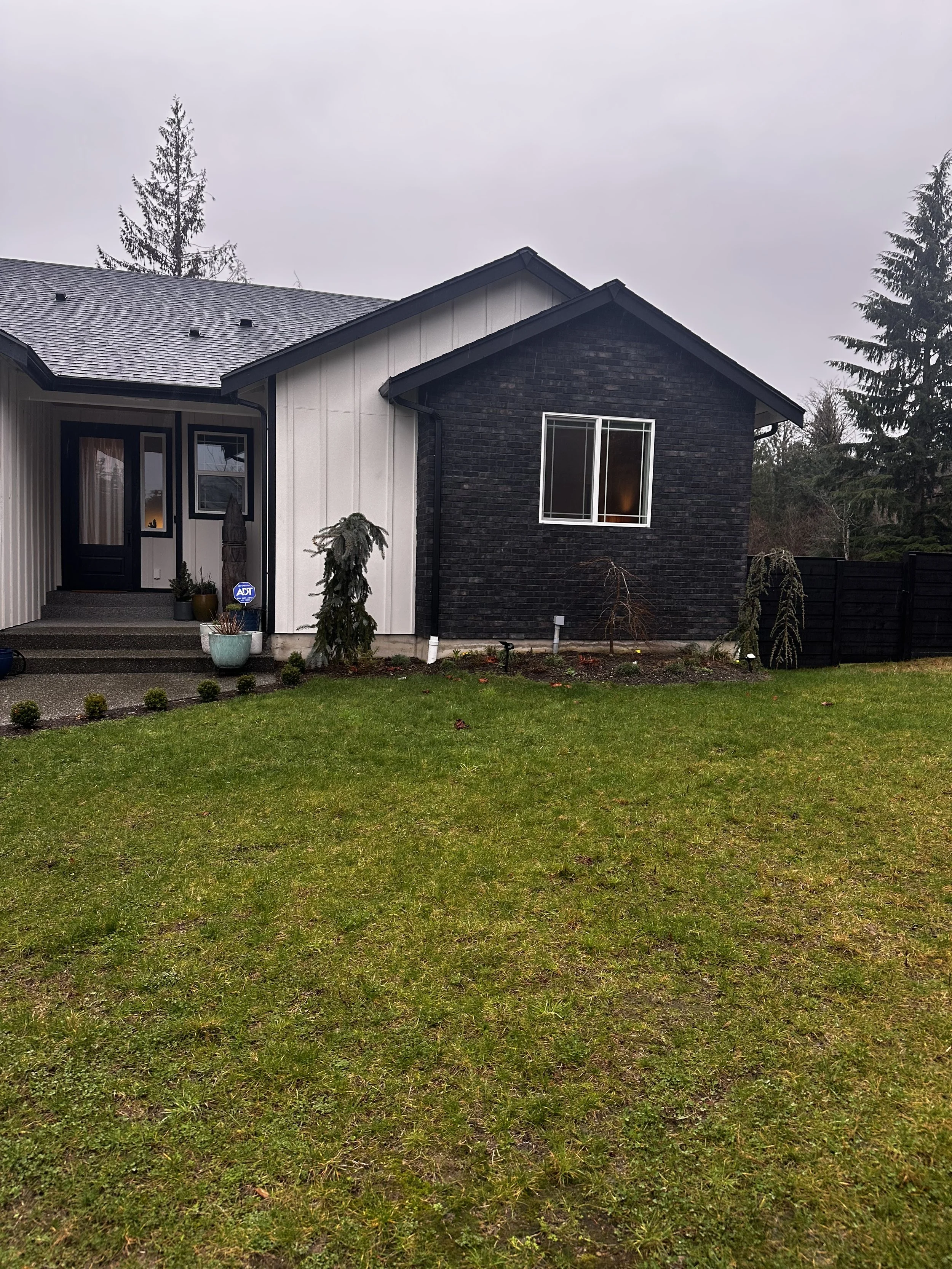
And for what? A flat green rectangle that looks completely soaked and miserable for six months, and fried brown the minute our summer drought hits.
Honestly, we’ve just accepted this as the default definition of a "nice yard." But a lot of my clients—especially busy professionals who value their downtime and hate the weekly maintenance circus—are finally calling it quits on high-maintenance turf.
Instead, we’re doing what’s called matrix planting.
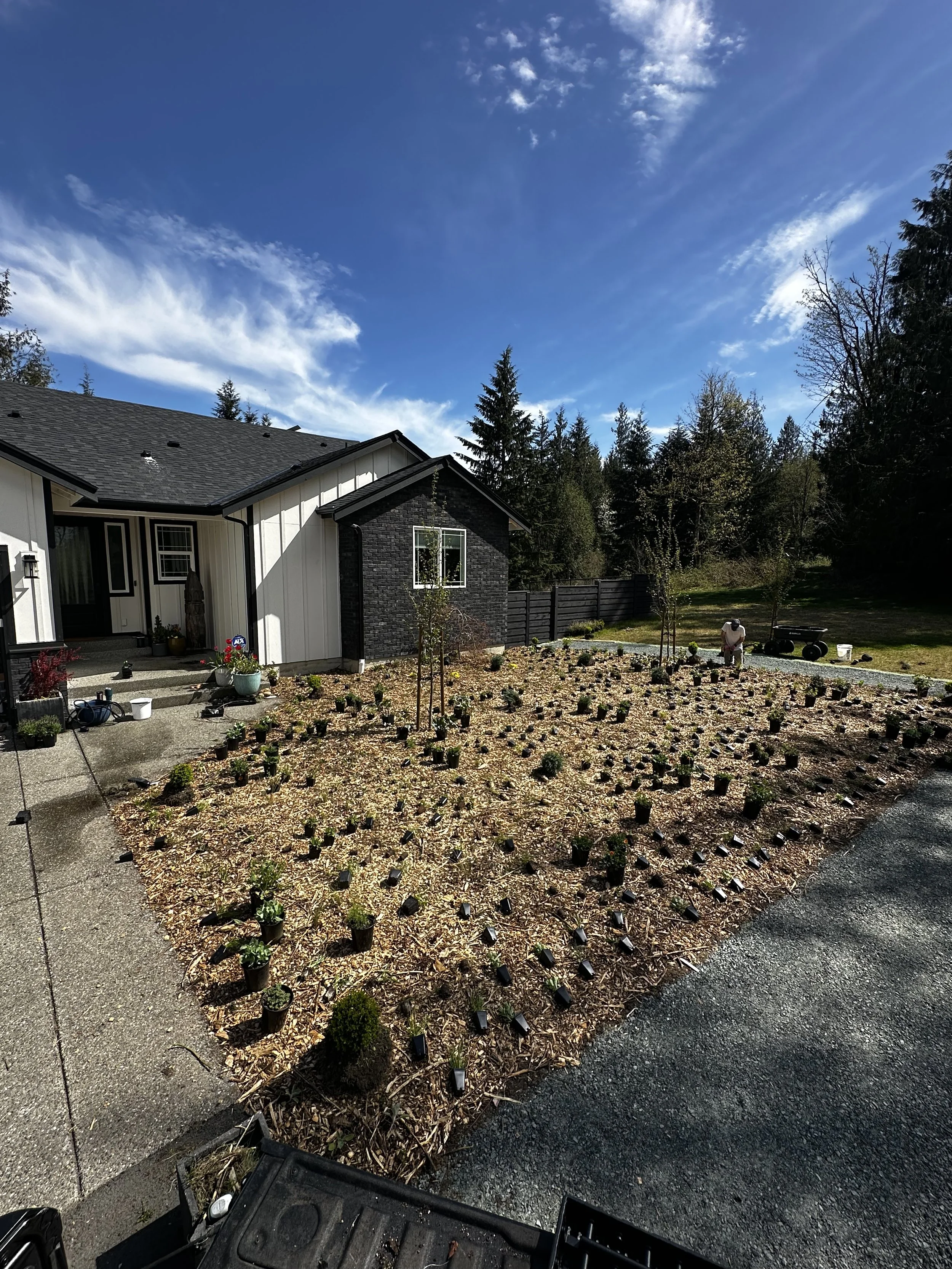
If you aren’t familiar with the term, you’ve probably seen the look. It’s the philosophy pioneered by Dutch designer Piet Oudolf (the mind behind New York’s High Line). But when you pull out the design jargon, it’s actually a brutally practical, far more interesting way to garden in the Pacific Northwest.
What We’re Actually Doing Instead of Turf
Traditional landscaping is basically: plant a solitary shrub every four feet, surround it with an ocean of bark mulch, and spend the rest of your life pulling weeds out of the gaps while buying flats of petunias that die three months later. It’s exhausting, expensive, and looks completely sterile.
A matrix planting flips that completely.
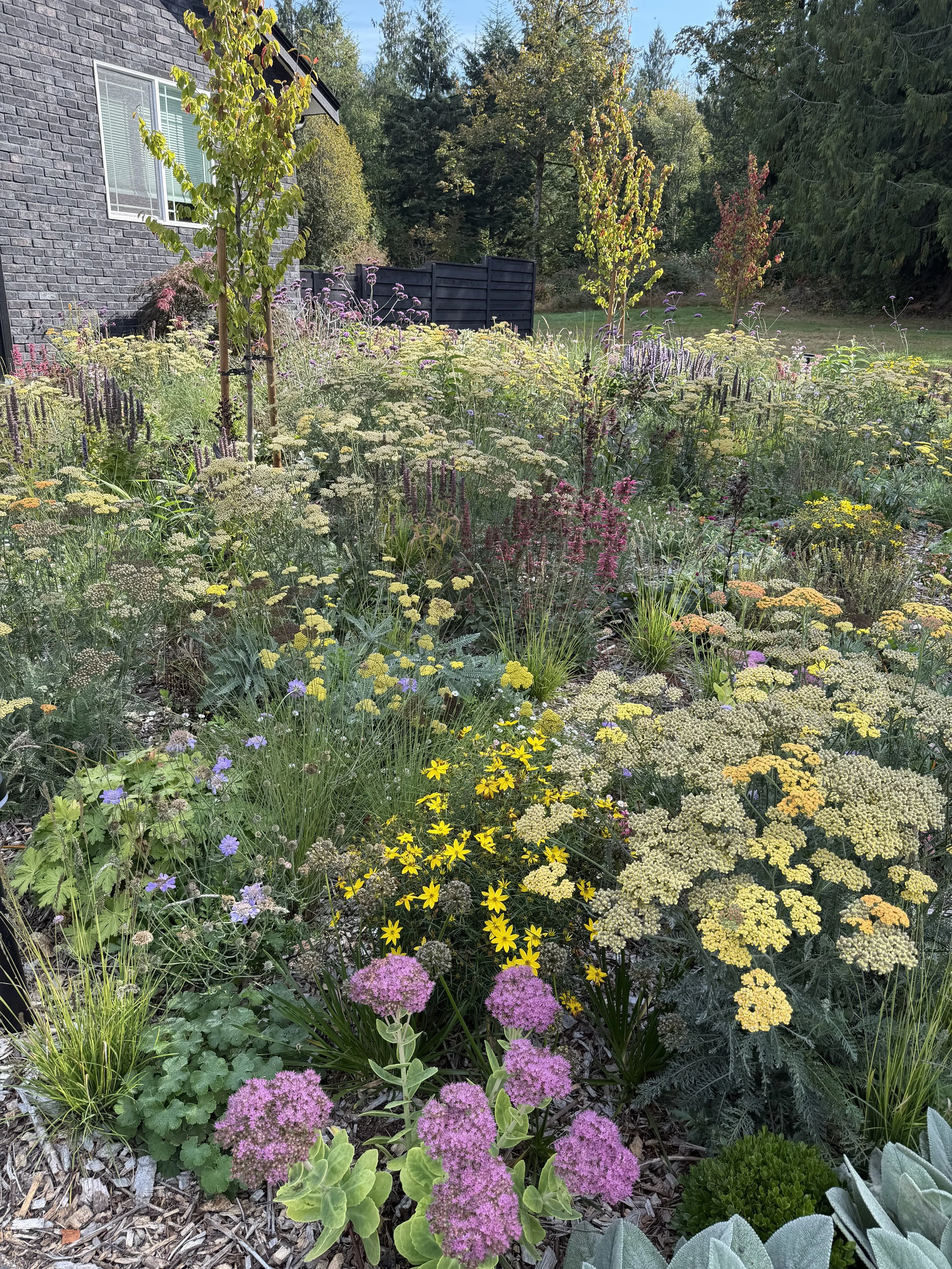
Instead of treating plants like isolated objects on a bed of mulch, we design a dense, interconnected layer of grasses, sedges, and tough structural perennials. They are planted tightly together so that their roots and foliage weave into a tight carpet.
Think of the plants themselves as your mulch. When the ground is completely knit together with living roots, a few great things happen:
• Weeds don’t get enough sunlight to germinate.
• The soil doesn’t bake and crack in July, so it holds onto moisture way better.
• You stop paying someone to spread dyed wood chips across your property every spring.
Why It Makes So Much More Sense for the PNW
Our climate here is weird, and traditional lawns hate it. We have months of dark, soaking wet winters followed by three months of intense, bone-dry sun where it basically doesn’t rain at all.
Lawns cannot handle that swing without constant babying, huge water bills, and chemical inputs.
A naturalistic matrix, on the other hand, is specifically built around perennials and grasses that thrive in that exact rhythm:
• In the summer: Their deep root systems dive way down into the subsoil, meaning they stay lush and textural through the hottest stretch of the year without draining your irrigation system.
• In the winter: Instead of turning into a squishy mud bog, grasses like Sporobolus, Sesleria, or Molinia and perennials like Echinacea hold their form. They turn shades of tawny gold, bronze, and copper, catching the low winter light and holding frost in a way that looks intentional and sculptural.
Which brings me to my favorite part: how maintenance actually works.
The Reality of "Low Maintenance" (Let’s Be Honest About It)
A lot of designers will tell you naturalistic gardens are "zero maintenance." That’s a lie. Any living space needs stewardship.
The difference is how and when you do it.
With a traditional yard, it’s death by a thousand cuts: mowing every 7 days, pulling weeds every weekend, trimming dead flower heads constantly, and raking up every single fallen leaf because it might smother the grass.
With a matrix garden, you literally do nothing all autumn and winter. You let the seed heads stand. The dried stems look stunning against modern architecture, they feed the birds, and they keep beneficial insects sheltered. You aren't constantly tidying or fighting nature.
Then, around late February or early March—right before the fresh green shoots start pushing up—you cut the whole thing down to the ground once.
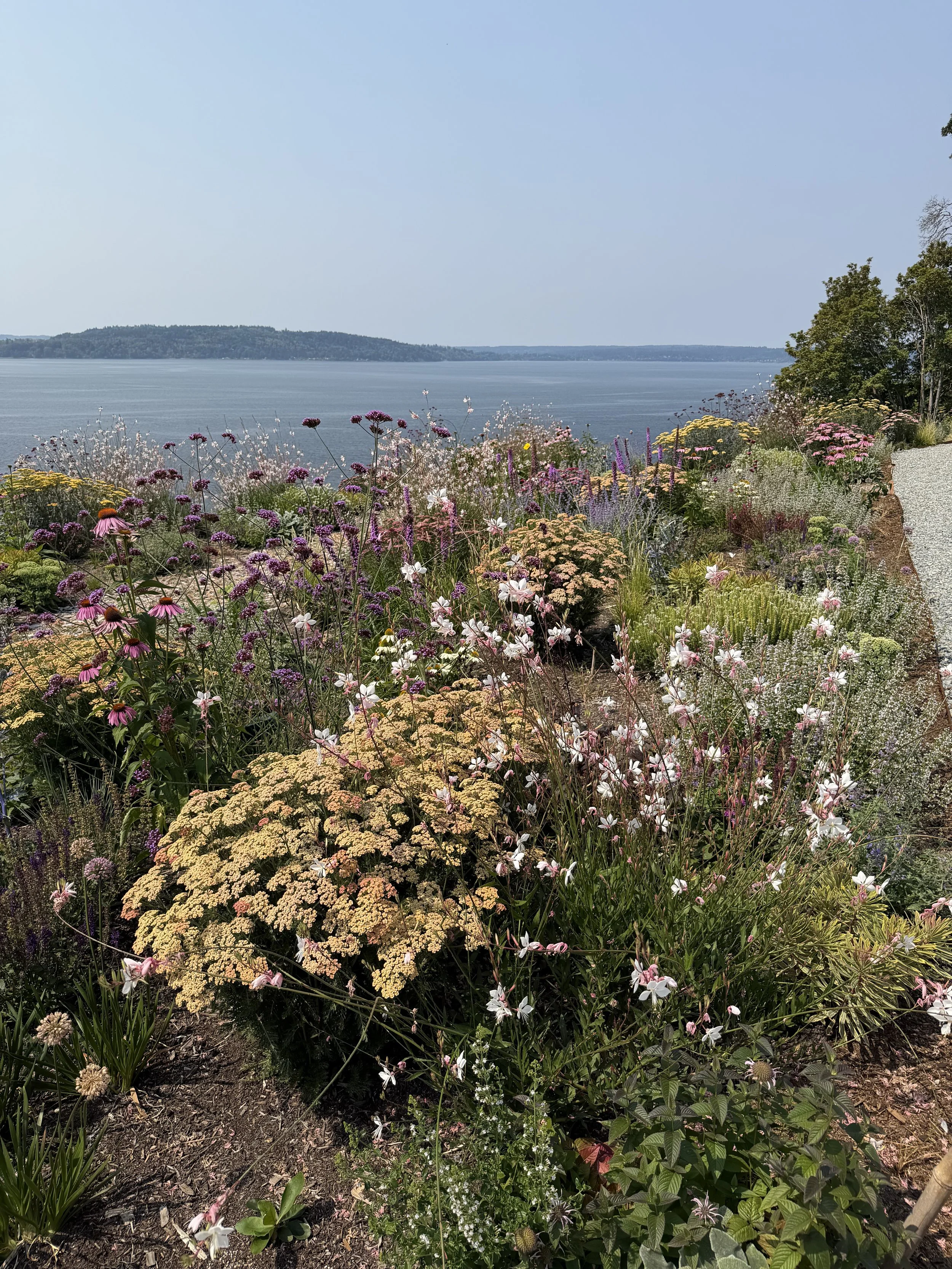
One clean cut-back. That’s your heavy lifting for the year. Within a couple of weeks, fresh growth surges through, and the garden launches right back into action on its own.
A Garden That Actually Changes Across 365 Days
Most suburban yards look alright for about six weeks in May, and then they’re just… there.
When you build a garden around texture, form, and seed heads rather than just bright, short-lived flowers, you get an exterior that actually moves and evolves with our seasons:
• Spring: Fresh green blades pushing up through clean soil, punctuated by early bulbs and delicate textural foliage.
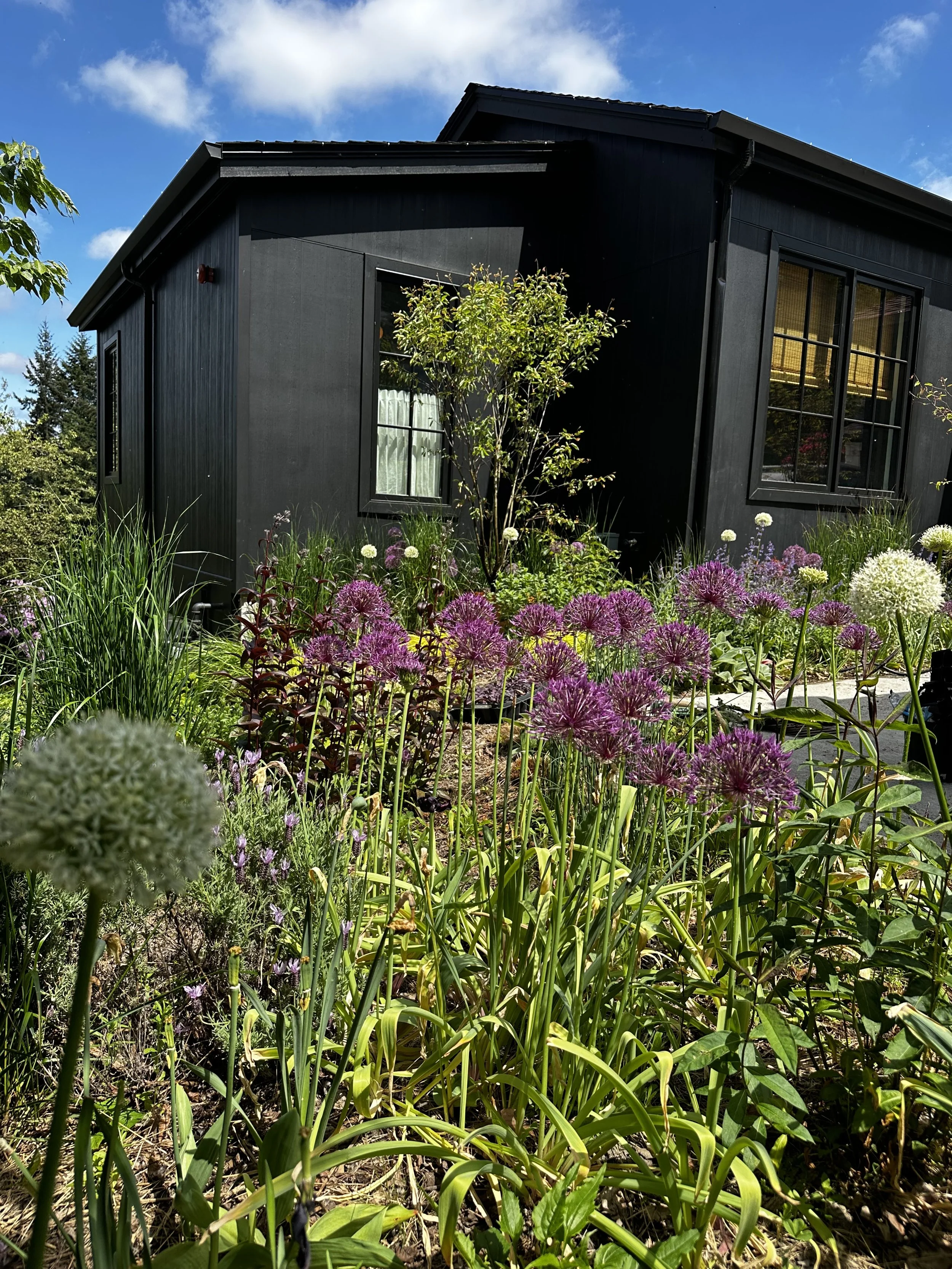
• Summer: Drifts of dusky purples, silvery blues, and swaying grasses that give the space movement whenever a breeze comes off the water.
• Fall: Deep russets, golds, and burnt umber seed pods that catch the late afternoon sun.
• Winter: Structural silhouettes and frost-rimmed seed heads standing quiet and sharp against our gray skies.
If your outdoor space currently feels like an expensive chore list rather than somewhere you actually want to look at and enjoy, it might be time to rethink the grass.
Whether you're starting from scratch on a new build or you’re just ready to stop listening to lawnmowers outside your home office, we can help you build something that actually works for real life.
👉 Book a design consultation here and let’s talk about what your property could actually look like.
