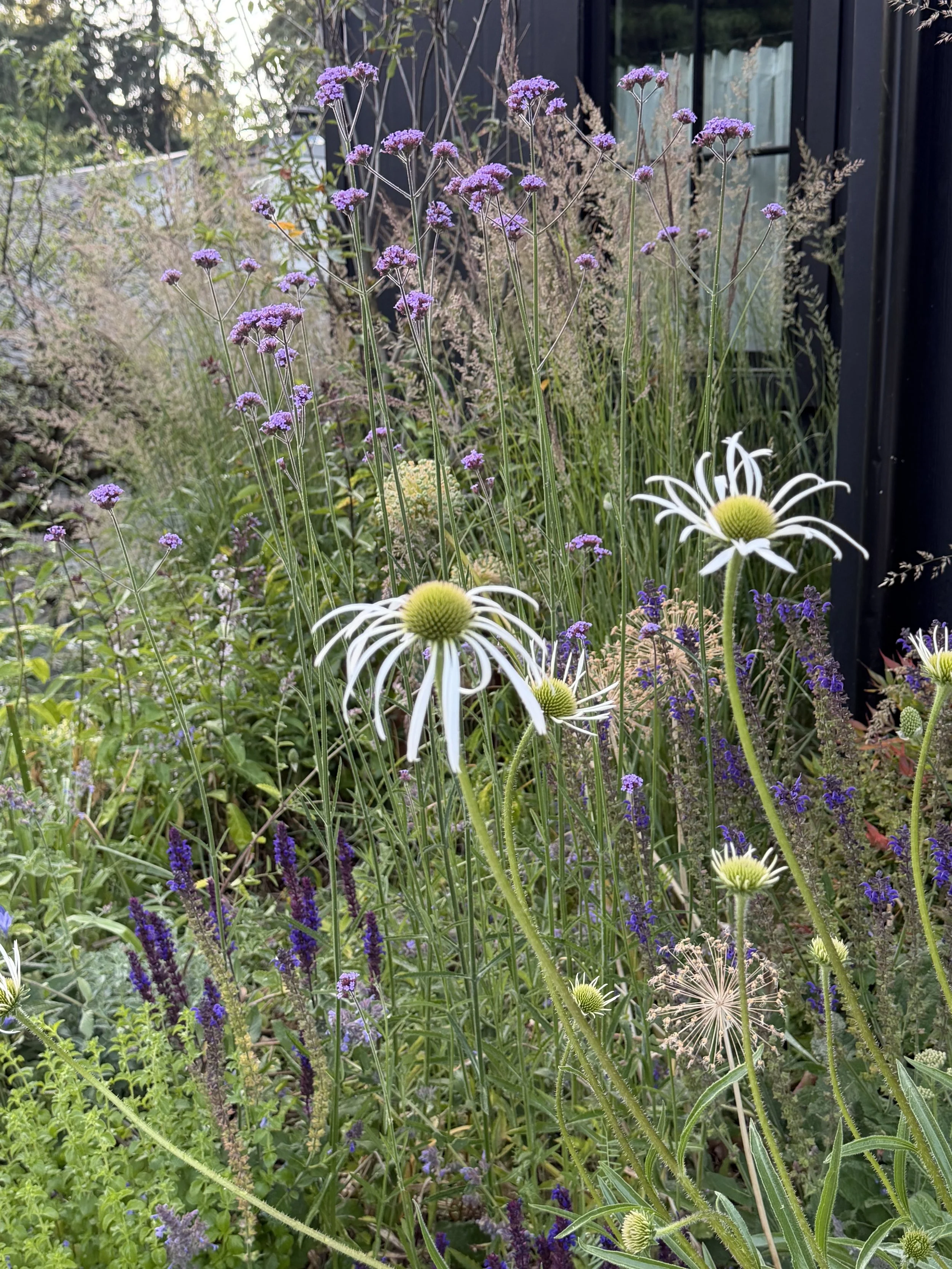
The Planting Method That Changed Everything for Me
I think we’ve been planting perennial gardens backwards.
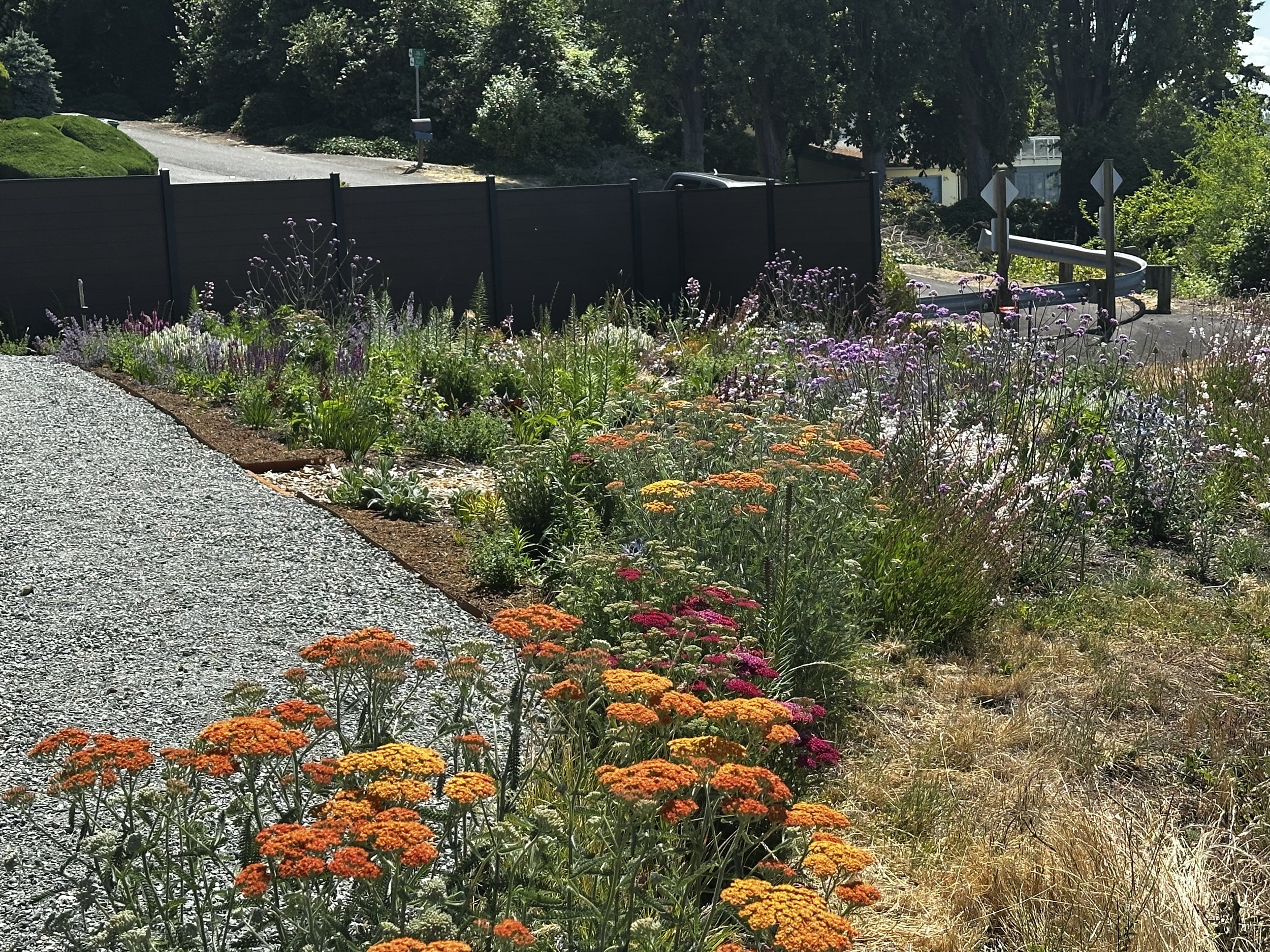
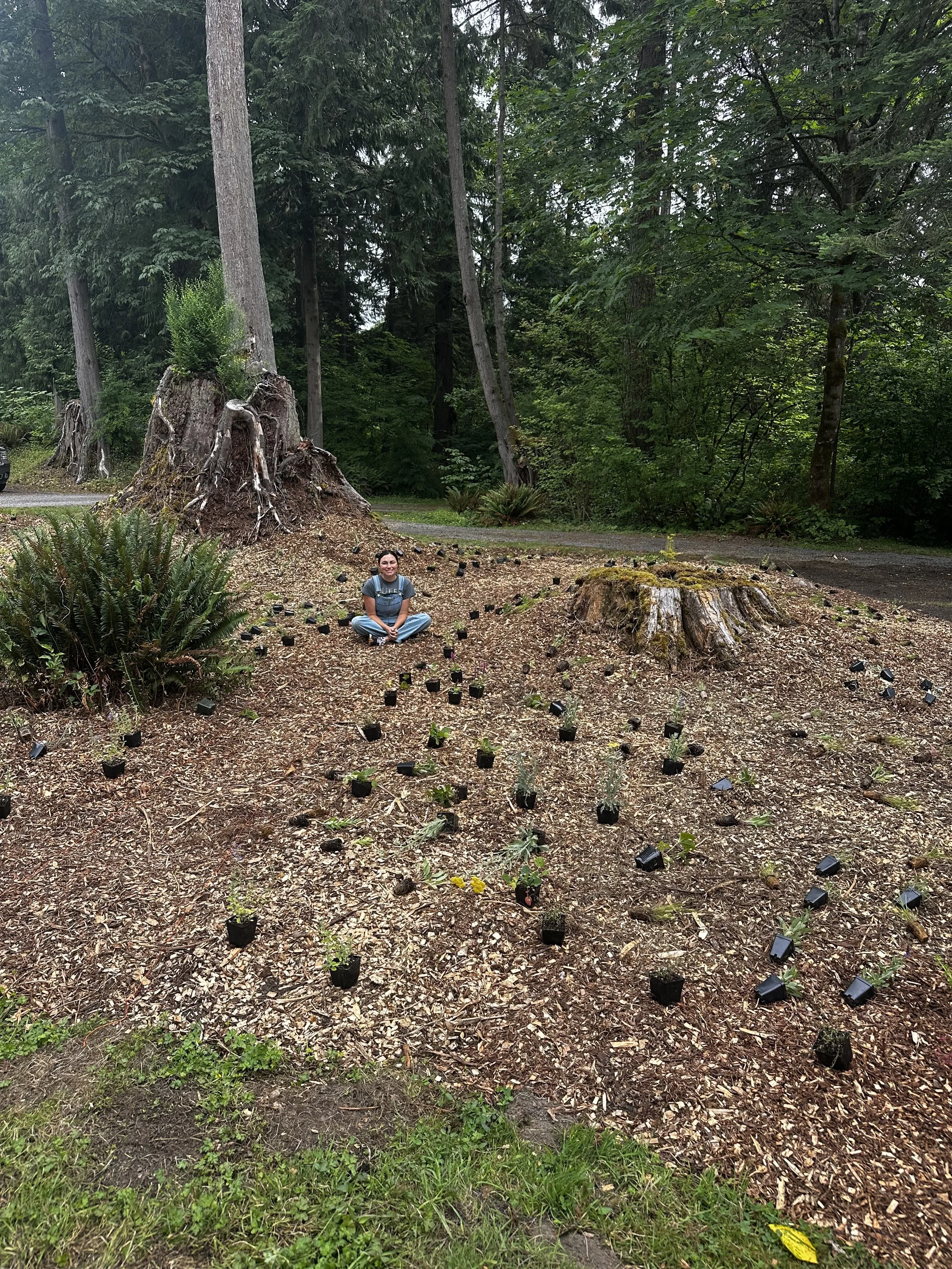
Everything in this image was plug planted 8 months ago (Oct 2025 - June 2026)
For years, I was taught exactly what most gardeners are told: Dig a hole twice as wide as the root ball. Fill it with beautiful, expensive dirt mixed with compost. Plant into that perfect little pocket of soil. Cover it with mulch. Water every day. Space the plants far apart to "give them room."
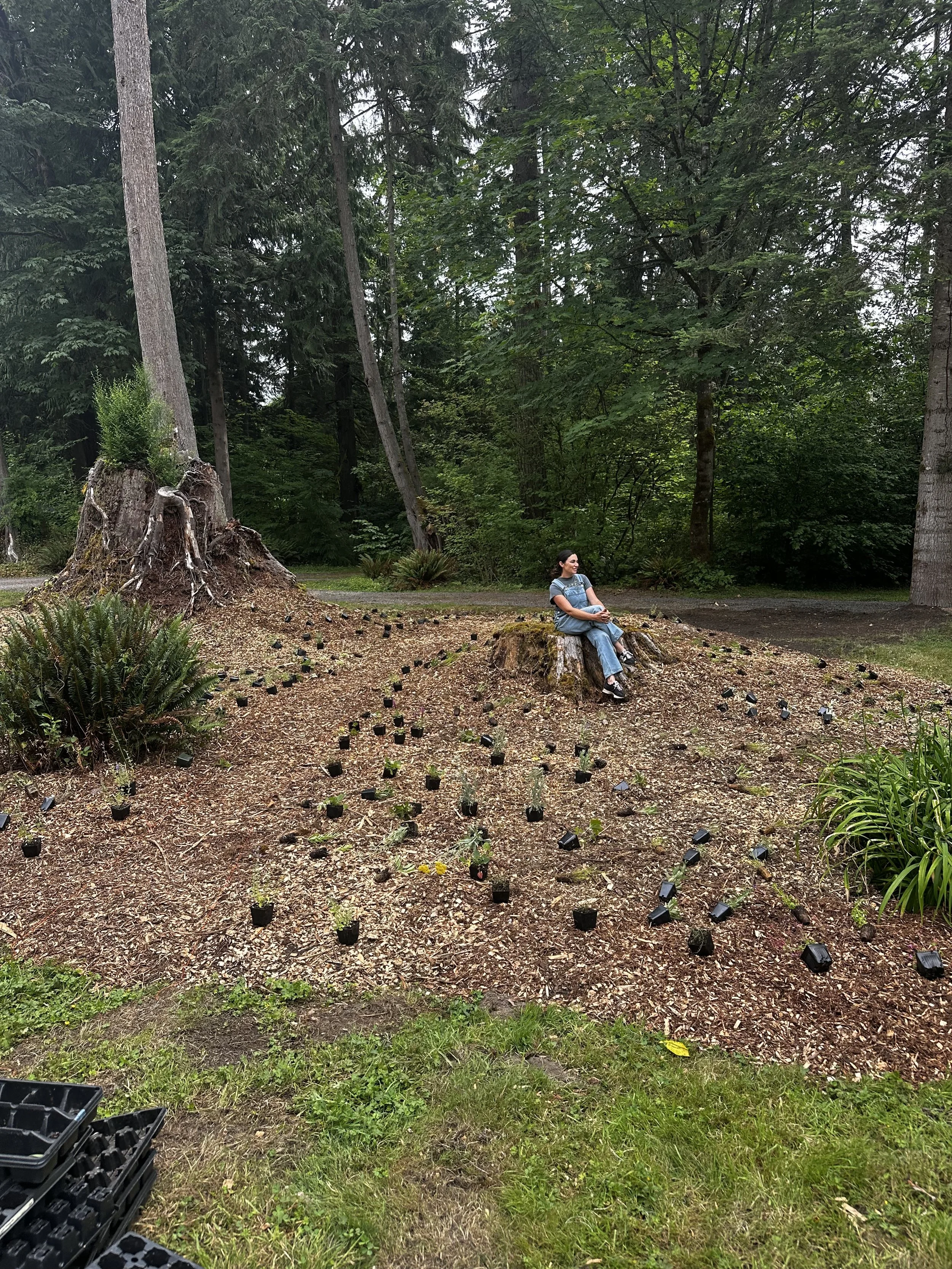
But the more I studied naturalistic planting design across Europe, the more I started questioning everything.
* **Why are we creating a pampered, artificial home for a plant if we actually want it to live in our tough native soil?**
* **Why are we watering every day if we want roots to grow deep?**
* **Why are we leaving massive gaps of bare soil, practically inviting weeds to move in?**
Those questions completely changed the way I look at landscapes.
## The Power of the Plug
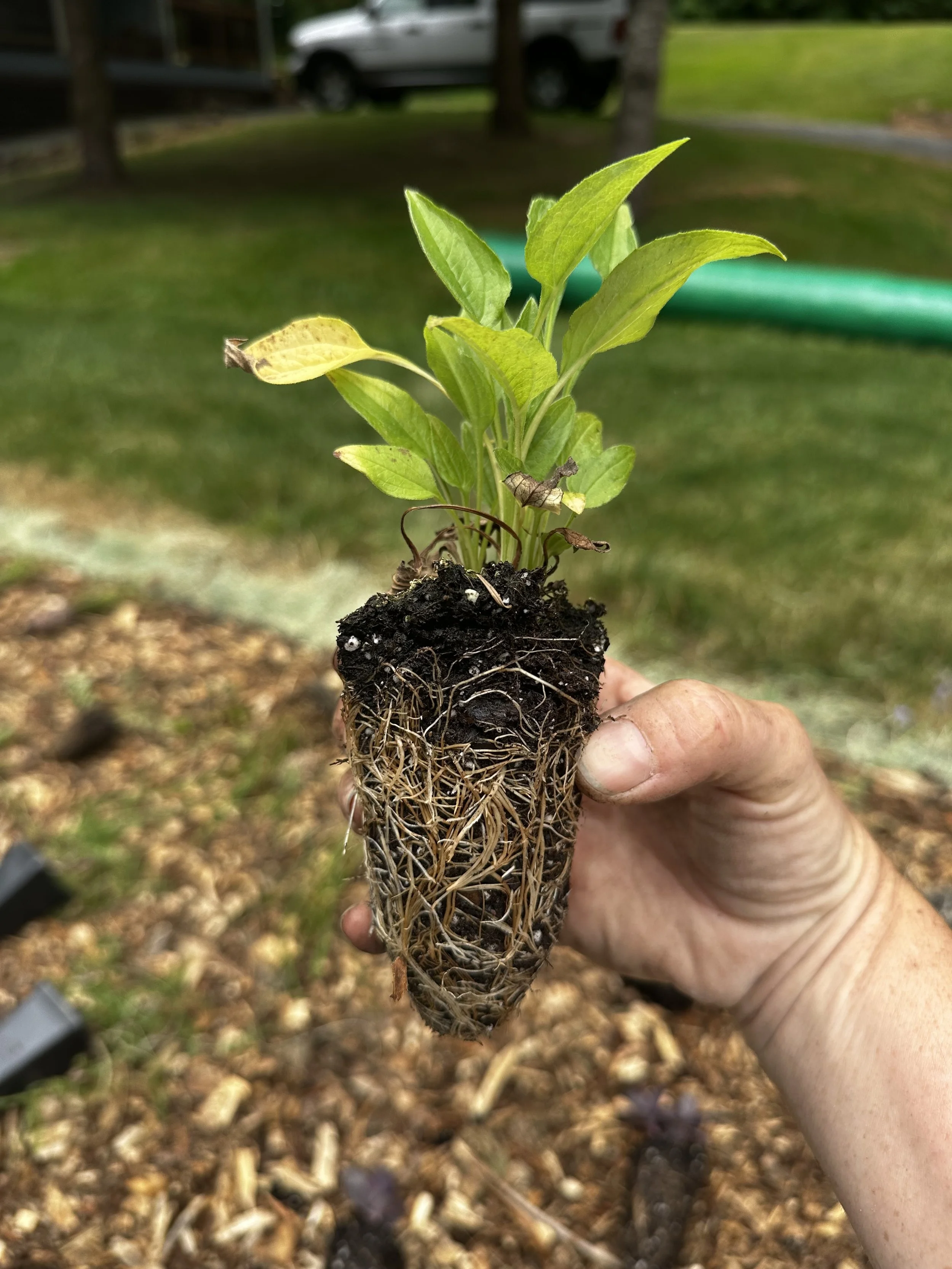
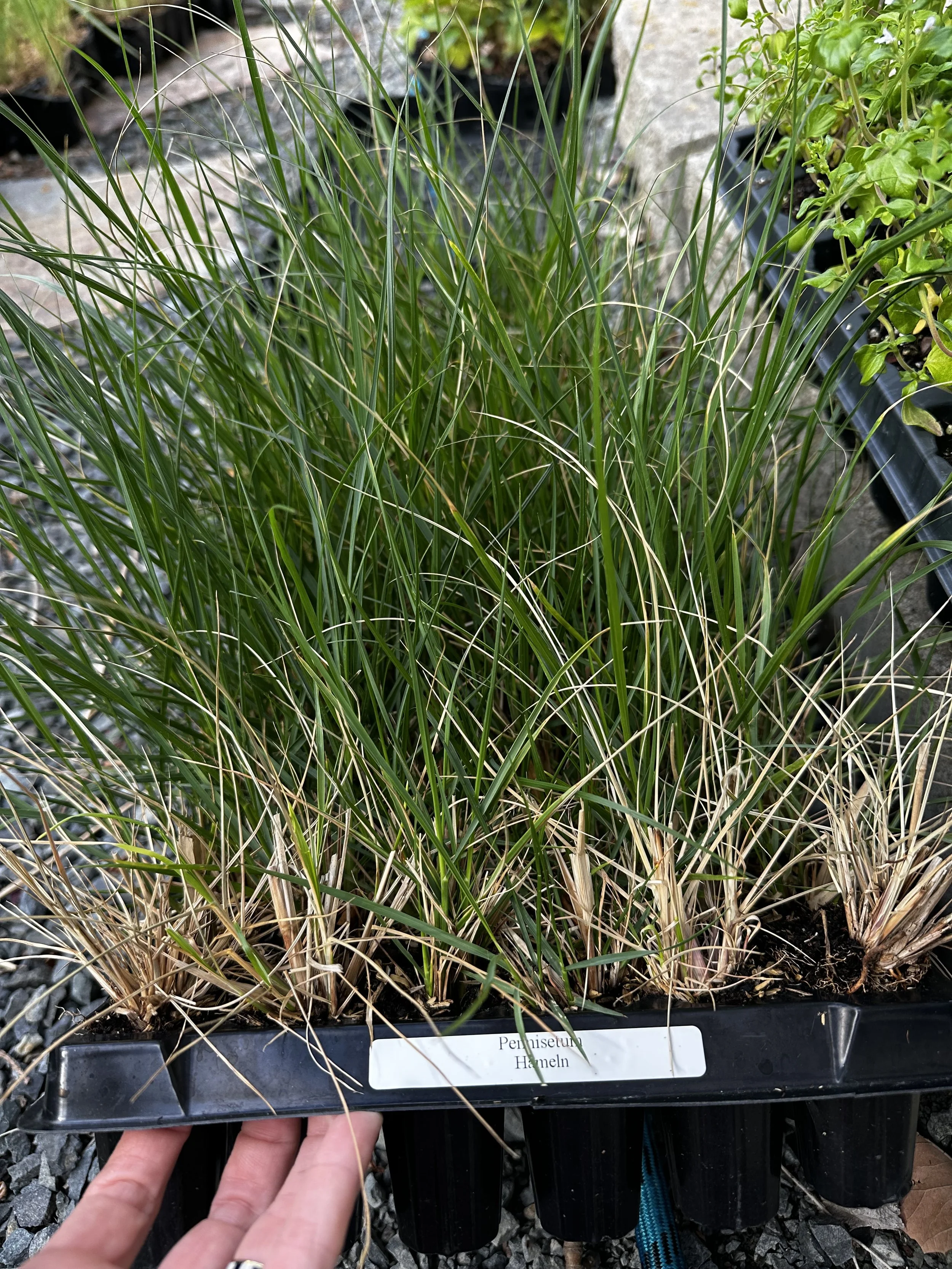
To understand how my method works, you first have to understand the material. In my designs, you won't find many traditional one-gallon pots; instead, I almost exclusively use deep-rooted landscape plugs.
While homeowners usually gravitate toward those large, retail-ready one-gallon pots for instant gratification, they are often a trap. A plant grown in a gallon pot has frequently spent months becoming root-bound against plastic walls, forcing its roots into a tight, circling spiral that can stunt its growth for years. Plugs, by contrast, are young, vigorous, and raring to go. Because their roots grow straight down, they anchor into the native soil instantly without the typical transplant shock. They adapt to the real-world conditions of a site from infancy, meaning they establish far faster, require less water to stabilize, and frequently outgrow their one-gallon counterparts within a single season—all while costing a fraction of the price.
## The Biggest Change I Made (And It Sounds Crazy)
Once you shift to plugs, the actual planting method changes, too. And it goes against everything you see on standard gardening infographics.
**When I plant plugs, I don’t bury the entire plug into the dirt.**
Instead, only the bottom one to two inches of the plug sits in the actual native soil. The remaining upper portion of the plug is surrounded entirely by a thick layer of arborist wood chips or an aggregate like crushed granite, gravel, or crushed concrete (depending on the style of the garden).
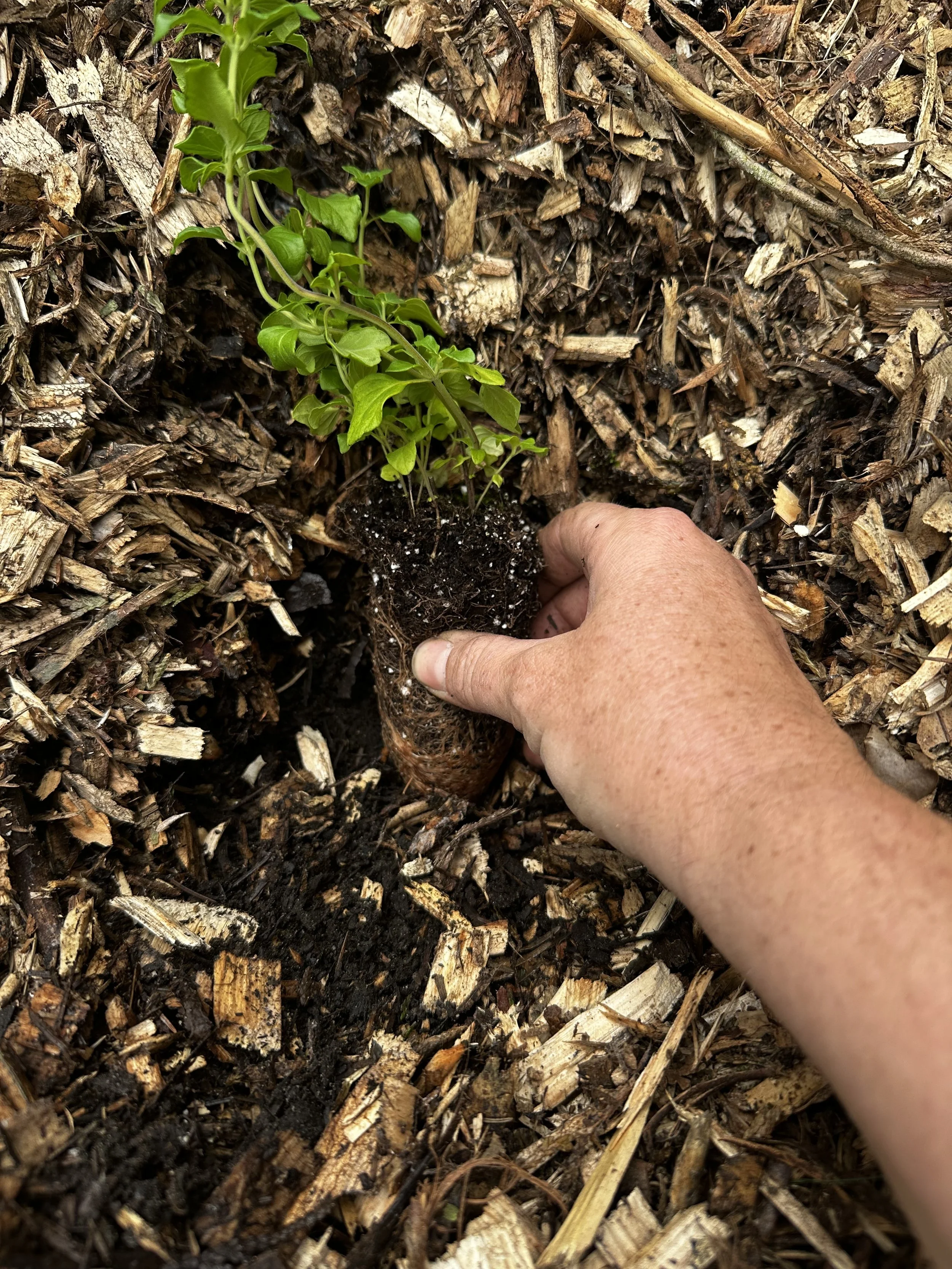
At first glance, leaving part of the root ball out of the dirt sounds like plant cruelty. But think about how it works in nature. Seeds don’t germinate in a perfectly amended hole surrounded by fluffy bagged compost. They establish on the soil surface, immediately sending a taproot downward in a desperate, determined search for moisture and nutrients.
That survival instinct is exactly what I’m trying to recreate.
## Teaching Roots to "Chase" the Soil
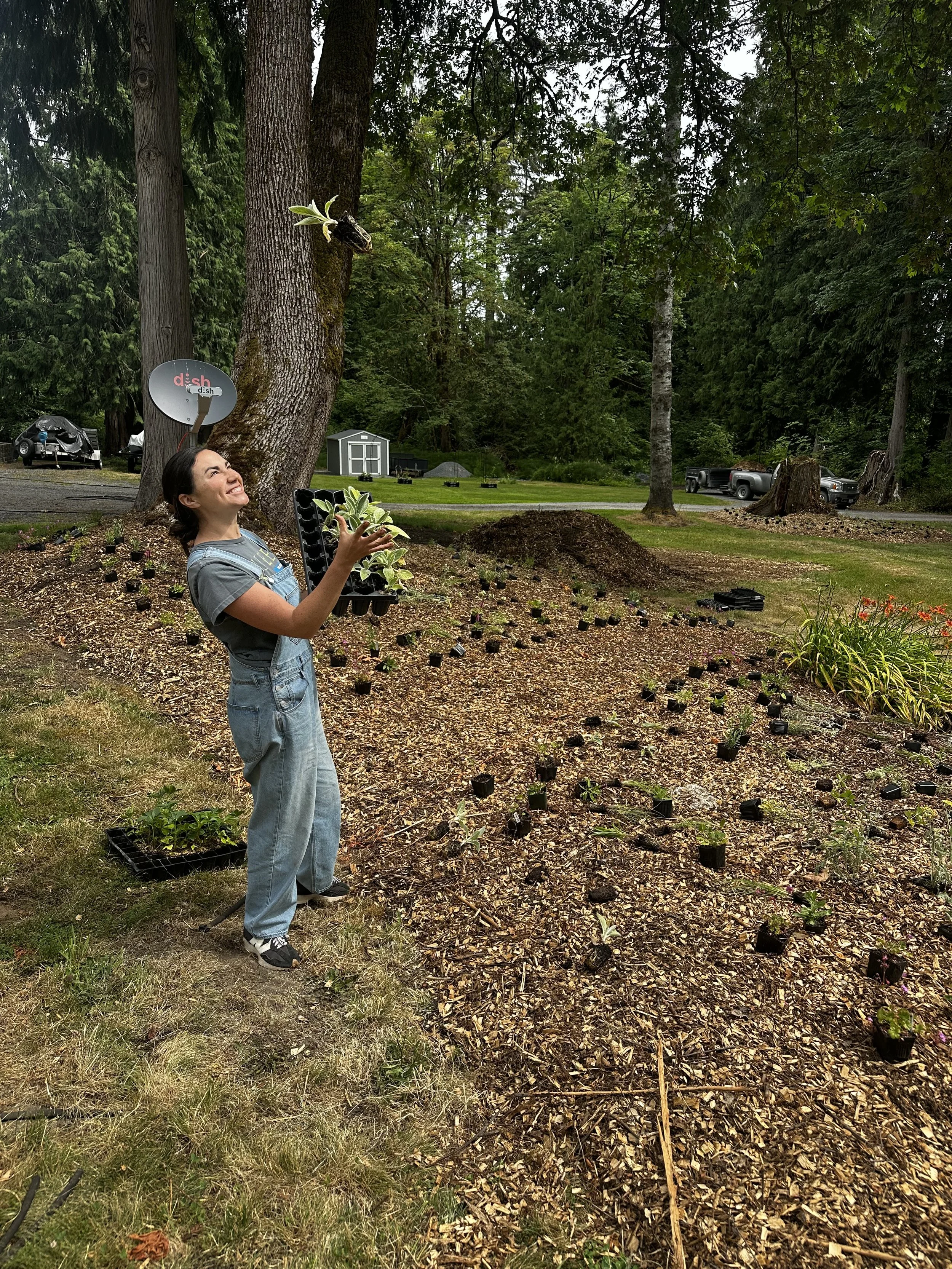
Instead of giving roots a luxurious pocket of compost that they never want to leave, I want them to immediately confront reality.
Because the upper plug is cradled in a well-draining, lean material, the plant learns the exact conditions of its permanent home from day one. Over time, those roots grow deeper, wider, and infinitely stronger than if they were sitting comfortably inside a soft, amended planting hole.
The formula is simple: **The less I disturb the soil structure, the happier my gardens become.**
## The Secret Sauce: High-Density Planting
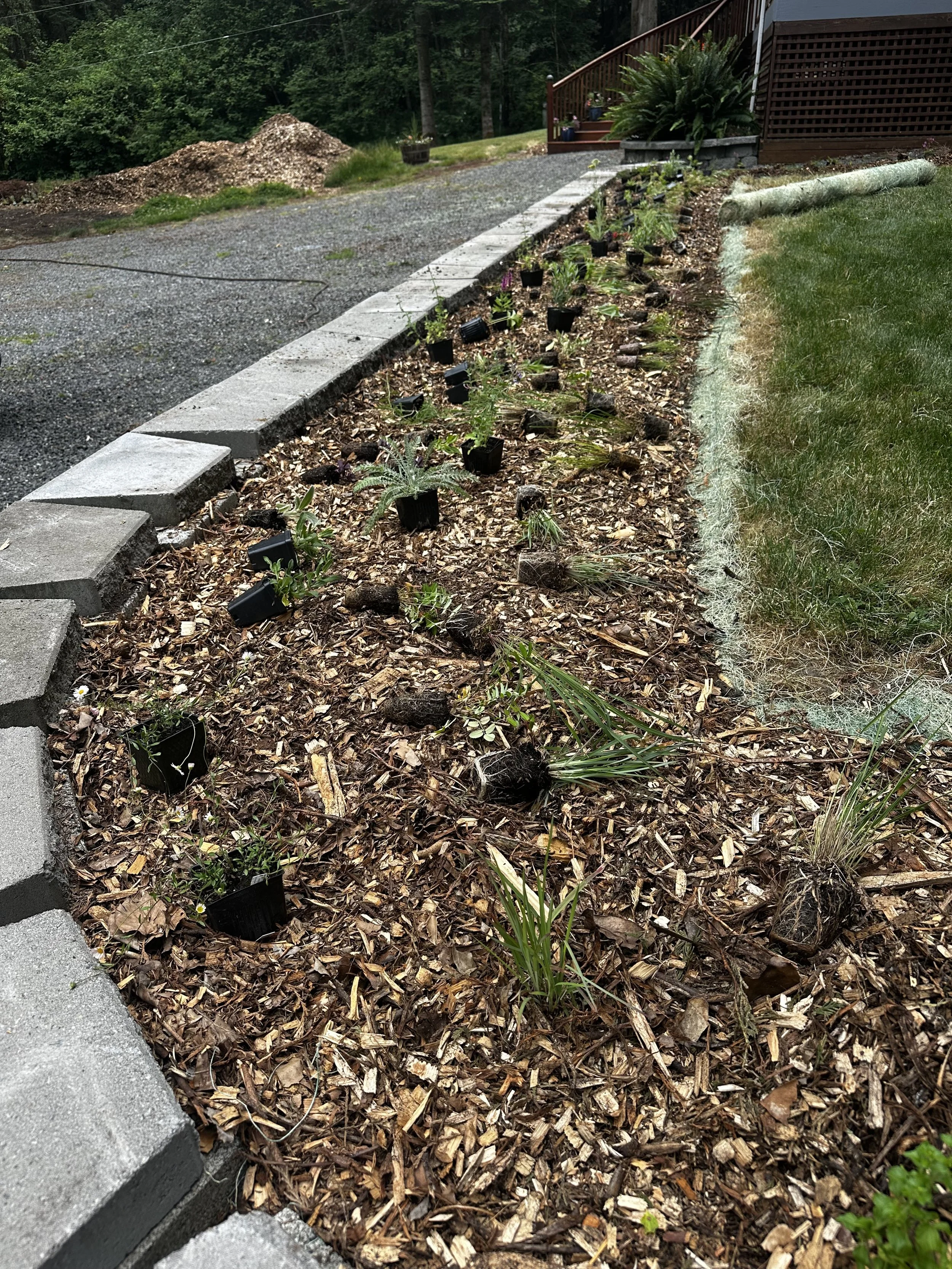
This method doesn't work in isolation. It *only* works because I plant densely.
I don't leave wide, lonely spaces between individual plants. Instead, I weave grasses and perennials together in a tight matrix so the garden quickly locks together as a single, living community.
> **Nature abhors a vacuum. If you don't cover the soil with plants, nature will cover it for you with weeds.**
> As these plants grow together, they form a "living mulch." They shade the soil, trap moisture, and naturally choke out competition.
## Rethinking Mulch: It’s Protection, Not Just Decoration
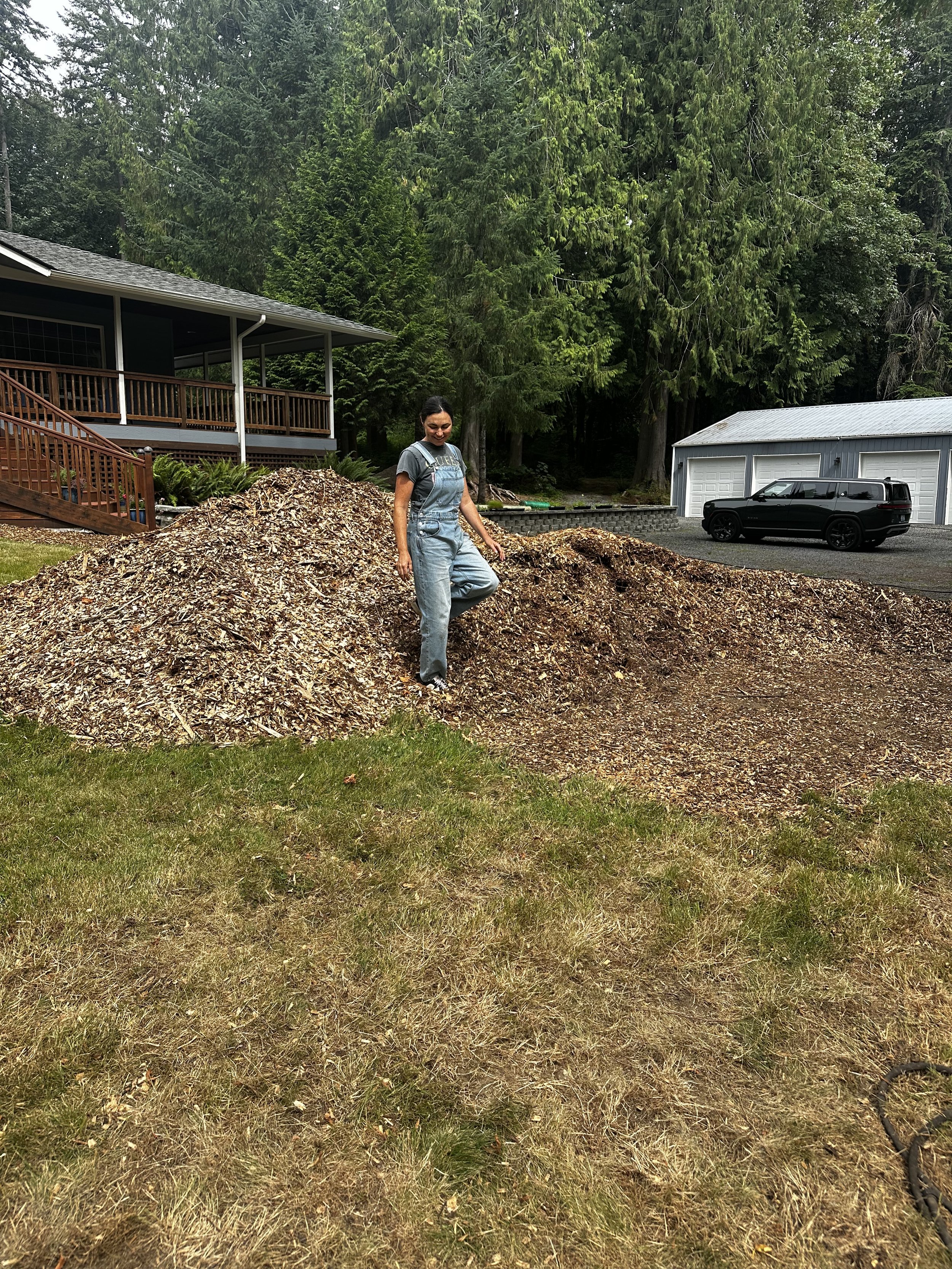
Using arborist wood chips or gravel in this way does much more than make the garden look tidy.
By burying the upper portion of the plug in mulch or aggregate rather than soil, I'm creating a highly breathable, protective layer around the plant's crown while forcing the root system to dive down.
This layer:
* Moderates intense soil temperatures.
* Drastically reduces weed seed germination.
* Prevents the crown from rotting in heavy winter rains.
* Slowly feeds the soil biology from the top down as it breaks down.
## Where We Get Watering Dead Wrong
This might be the biggest misconception in modern gardening. Most people plant a new perennial and immediately begin watering it every single day, treating it like a fragile new lawn.
I don't.
After planting, I water everything in thoroughly to settle the soil. **Then, I walk away.**
I only water about once a week, or when the plugs genuinely begin to show signs of drying. The goal isn’t to keep the root zone soaking wet; the goal is to trigger the plant's natural drive to search deeper for moisture. This is only during the establishment stage- after that I don’t water.
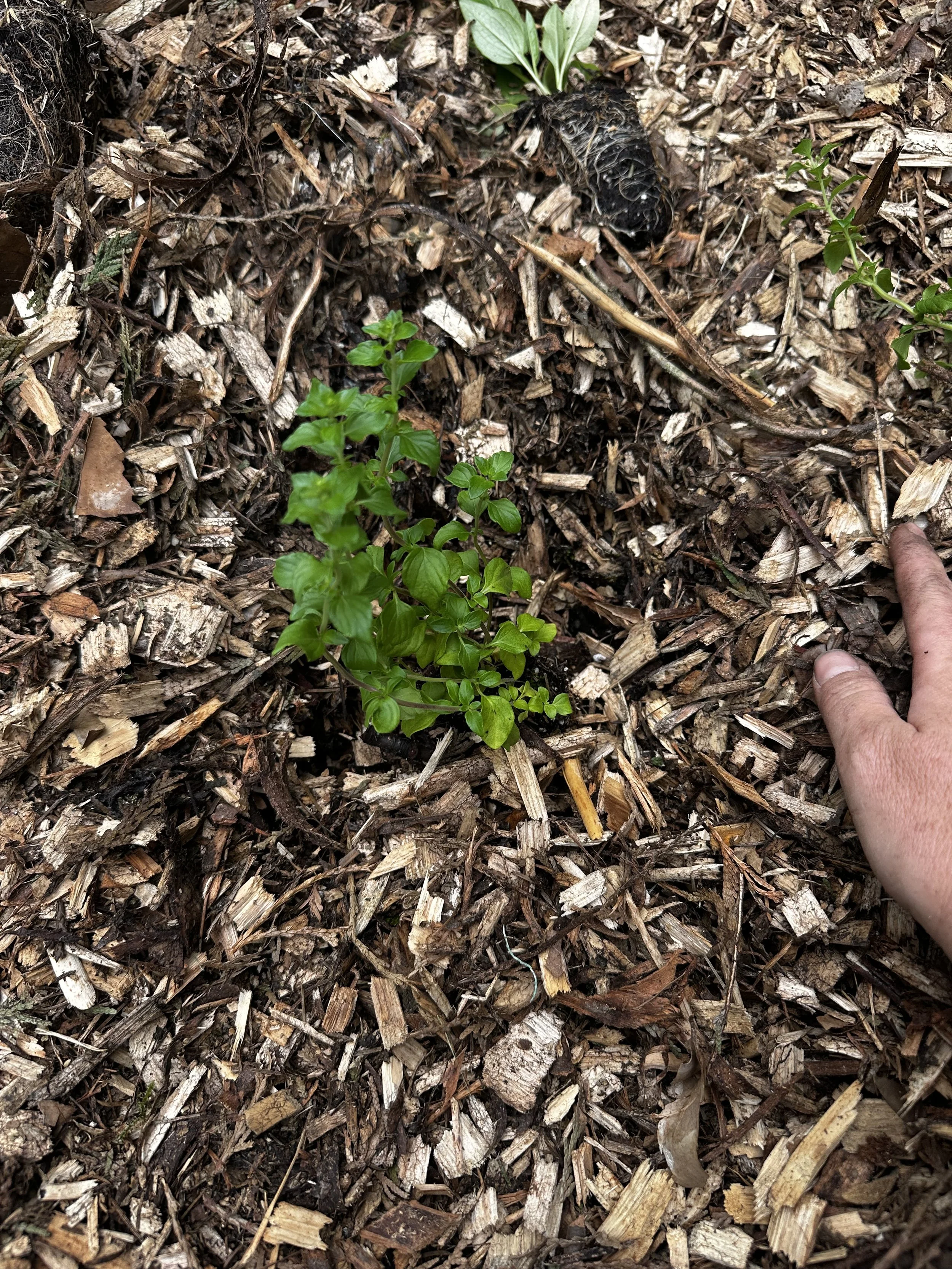
Every time we water too frequently, we teach plants to be lazy. We keep their roots trapped near the surface. But when we water deeply and infrequently, we build a resilient, deep-reaching root architecture—the exact kind of system needed to survive our increasingly dry Pacific Northwest summers.
## Why This System Just Works
Everything in this method is interconnected. You can't really pull one thread without loosening the others:
The result? Gardens that establish at lightning speed, require a fraction of the weeding, and become more beautiful and self-sufficient with every passing season.
## Designing for the Real World
When new clients come to me and say, *"Everything I plant dies, I have a black thumb,"* I always stop them. I don’t think they’re bad gardeners. I think they’ve been sold a high-maintenance, fragile planting philosophy that forces plants to fight against their environment rather than adapt to it.
Today, every landscape I design follows these rules. The plants are closer. The soil is left unbroken. The plugs are nestled high into a protective layer of gravel or chips, with their toes just touching the native earth below.
Sometimes, the ultimate garden transformation isn’t about buying better plants. It's about planting them in a way that lets them actually become part of the wild world.