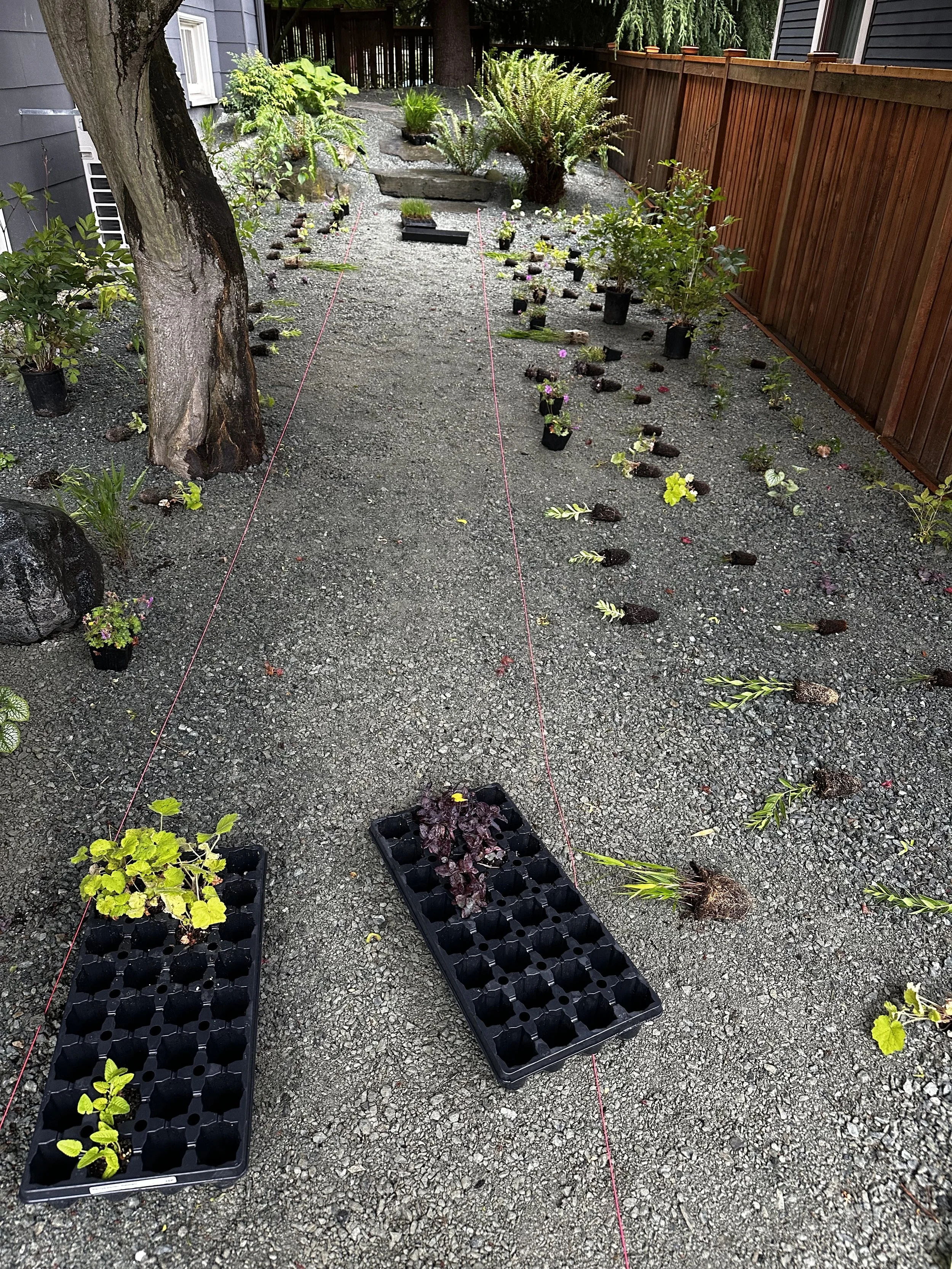
Why I Left Wood Mulch Behind: The Science & Joy of Gravel Gardens
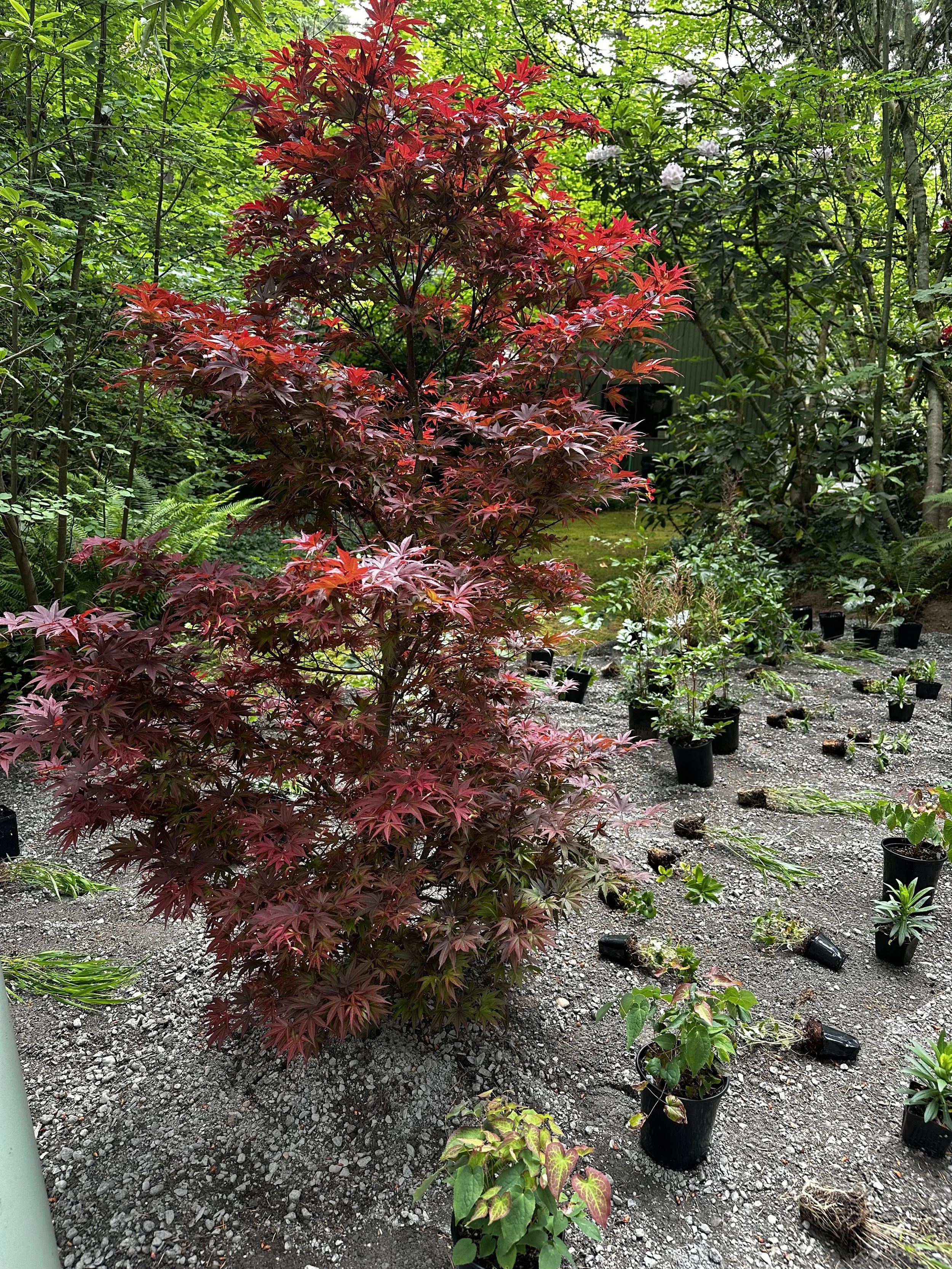
There is a quiet revolution happening under our feet. For decades, the standard recipe for a clean landscape has been a uniform blanket of shredded wood mulch, topped off with a rigorous, chemical-heavy seasonal cleanup. But if you watch how plants actually grow in the wild, you realize we’ve been making it way harder—and more expensive—than it needs to be.
Enter the gravel garden. Inspired by legendary horticulturists like Beth Chatto and validated by modern research, gravel gardening ditches the traditional organic mulch layer for a clean, permanent aggregate matrix. When done right, it unlocks a dynamic ecosystem where your perennials thrive, weeds fail entirely, and your annual maintenance is cut down to an absolute fraction of what it used to be.
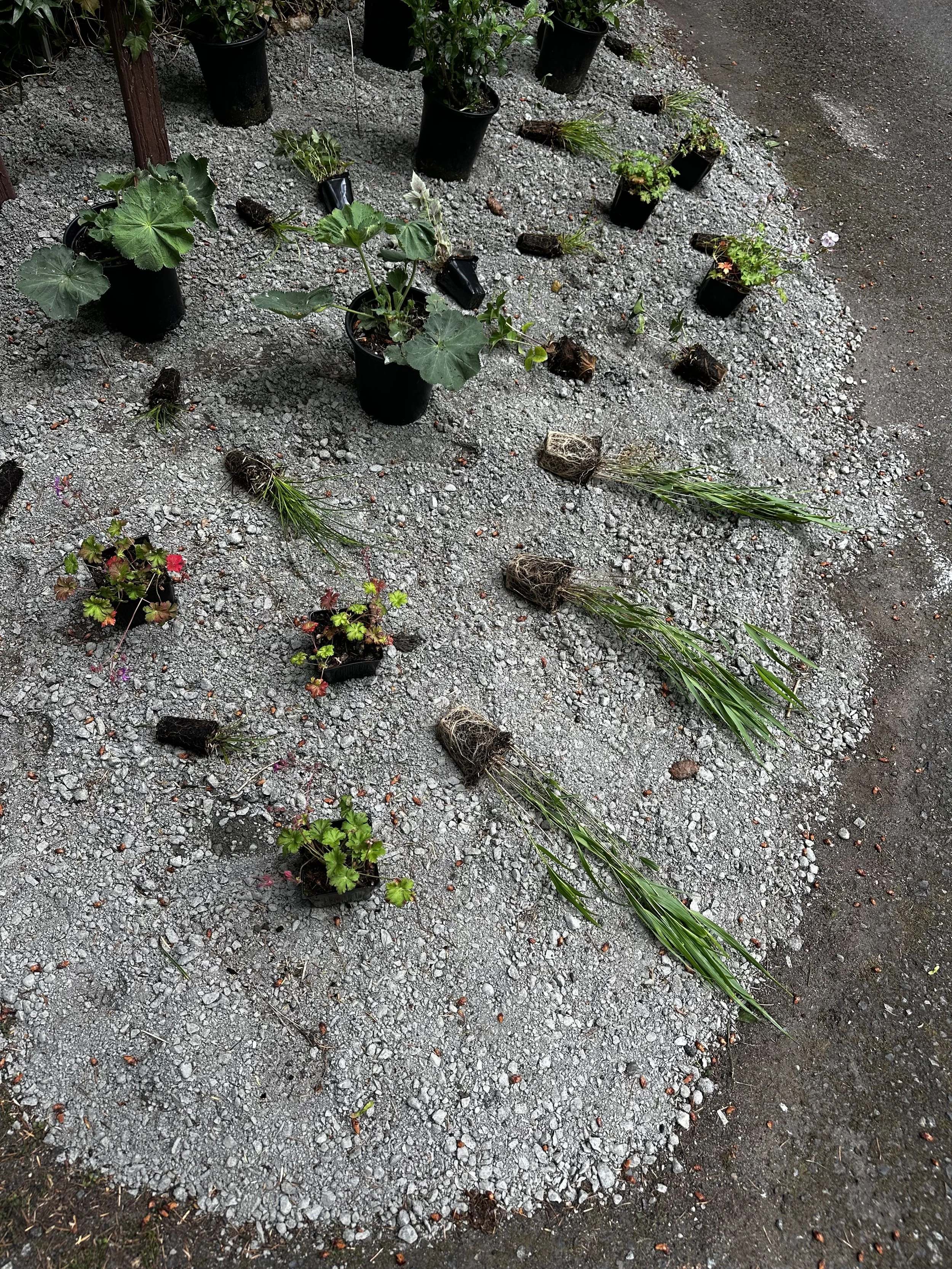
The 3-to-4-Inch Secret: Why "5/8-Minus" Changes Everything
When most people think of gravel mulch, they imagine pristine, washed river stones glinting in the sun. That is the quickest way to fail. Washed stone leaves deep pockets of air that invite blowing weed seeds to drop in, tuck themselves away, and take root directly in your soil.
Instead, the magic formula relies on a **3-to-4-inch layer of 5/8-inch-minus gravel**. In the aggregate world, "minus" means the stone includes the "fines"—the tiny, crushed stone dust and micro-particles. When laid down heavily, these particles settle into a dense, interlocked stone blanket that completely seals off the ground below.
1. Permanent, Budget-Friendly Weed Suppression
Wood mulch is a recurring subscription box you never ordered. It breaks down into rich organic soil every single year, essentially creating a perfectly prepared, nutrient-dense seedbed for airborne weed seeds. You end up paying to feed your own weeds.
Gravel is incredibly cheap by comparison and never breaks down. After a rain, the top half-inch of the gravel bed dries out completely in minutes. Because weed seeds require prolonged surface moisture and light to sprout, they land on a hostile, bone-dry desert and quickly wither away. Any stubborn seed trying to push up from the true soil below is locked in total darkness, starved of the sunlight needed to trigger growth.
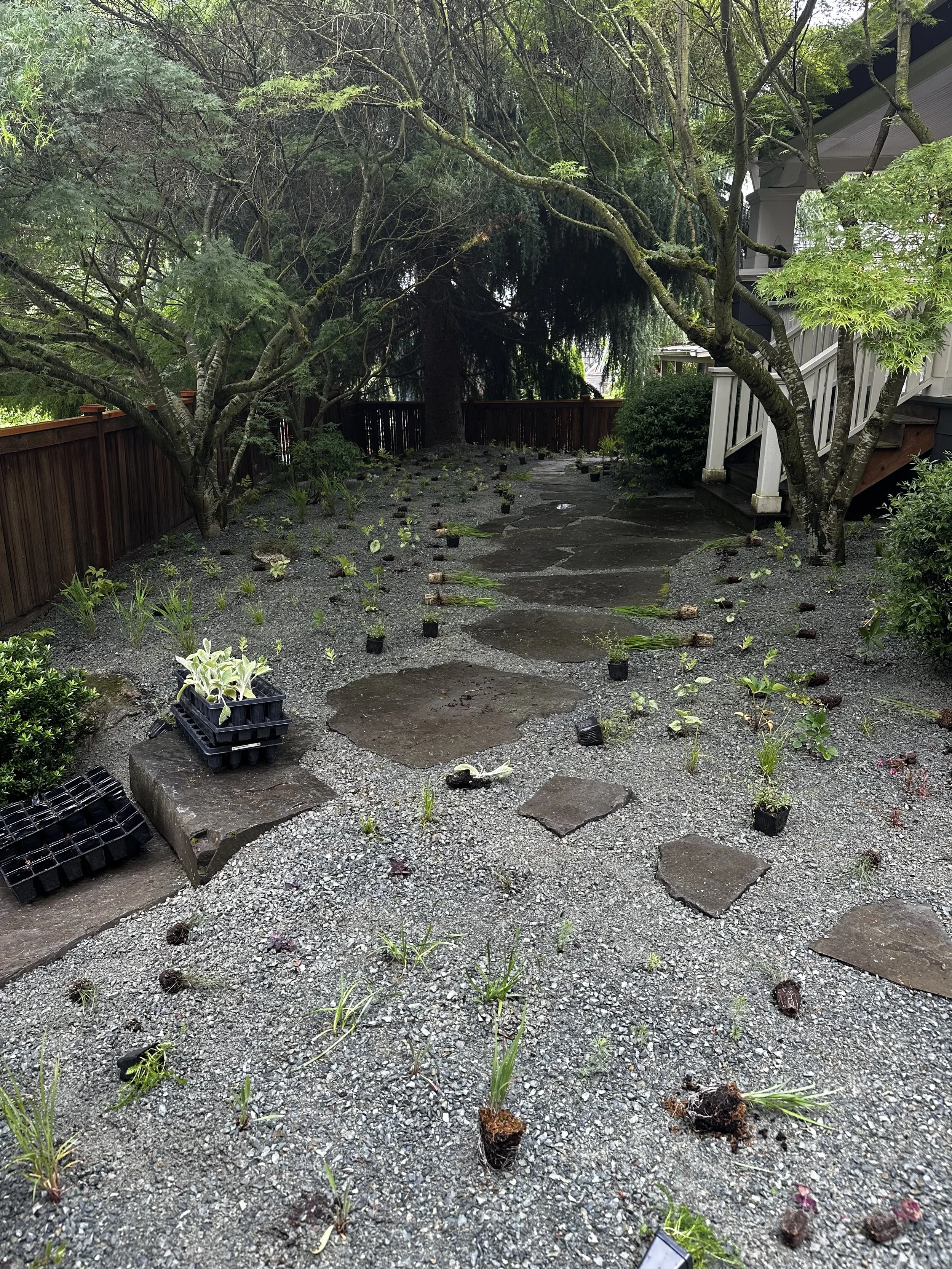
2. Thermoregulation: Cool and Moist Where It Counts
It sounds counterintuitive—won't stone bake the garden? On the absolute surface, gravel absorbs heat. But beneath that deep 3-to-4-inch blanket, a remarkably stable microclimate forms. Wood mulch absorbs light rain like a sponge, keeping moisture trapped on the surface where it evaporates before ever reaching plant roots. Gravel, however, channels 100% of rain straight down into the earth.
Once the water is down there, the gravel acts as a heavy thermal shield. Studies show that gravel mulches keep the underlying root zones cooler and more consistently moist during scorching summer heatwaves than bare or wood-mulched soil. Your deep-rooted perennials, native grasses, and ornamental trees remain perfectly hydrated and stress-free.
3. The Real Winter Killer: Winter Rot vs. Drought
Ask any seasoned gardener what killed their favorite perennial over the winter, and they will likely blame the freezing temperatures. But modern horticultural science tells a different story: **most garden plants die over winter from root rot, not a lack of hardiness.**
When heavy winter rains or melting snow sit on flat soil covered in soggy, water-logged wood mulch, the plant's crown suffocates. The combination of standing water and lack of oxygen breeds aggressive fungi that rot the plant from the top down. Gravel changes the physics of the plant crown. It provides rapid, flawless drainage directly at the base of the plant, keeping the crown clean, aerated, and completely dry even when the ground below is fully saturated.
4. The Ecological Cutback: Let the Nesting Bugs Hatch
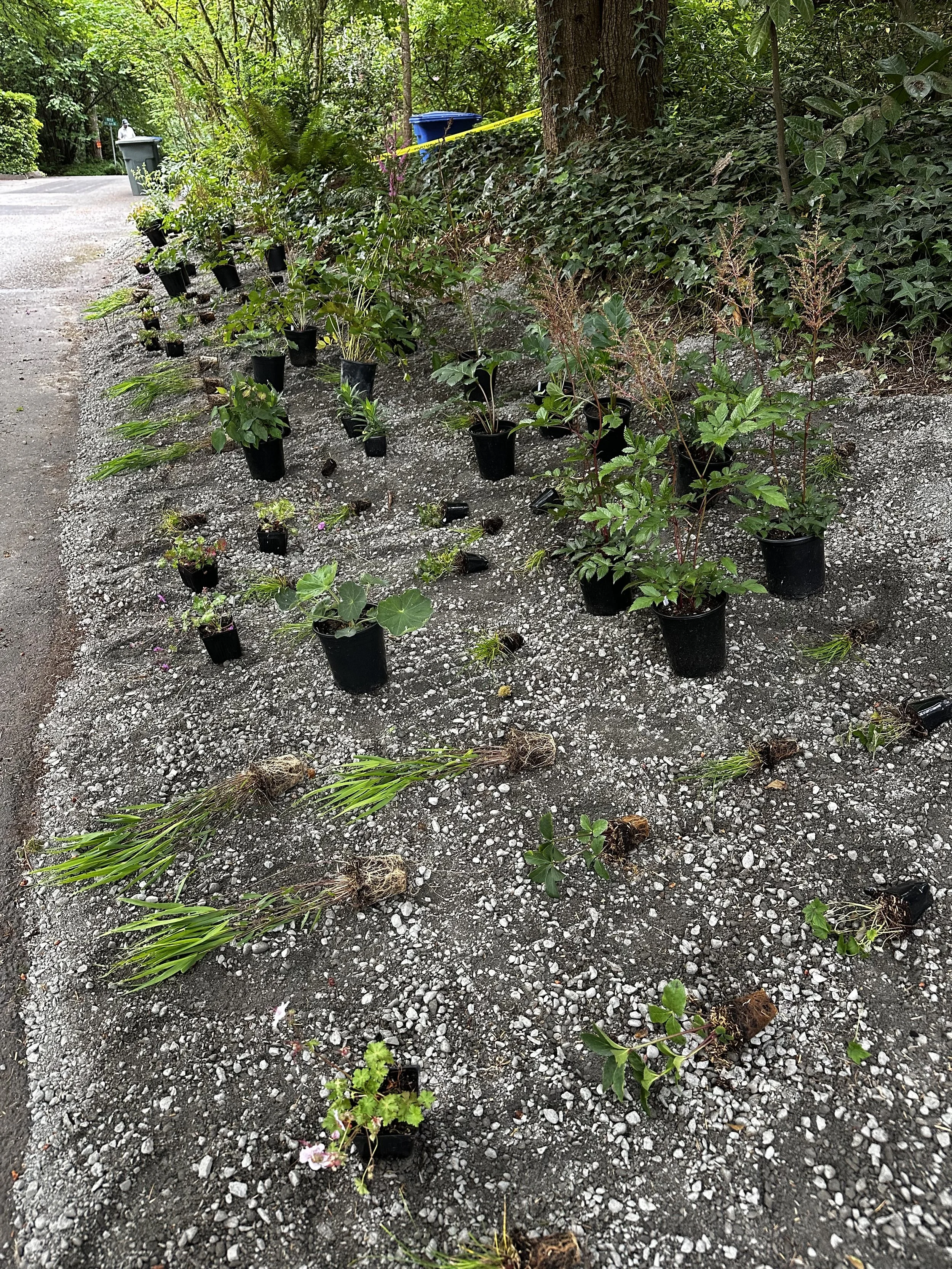
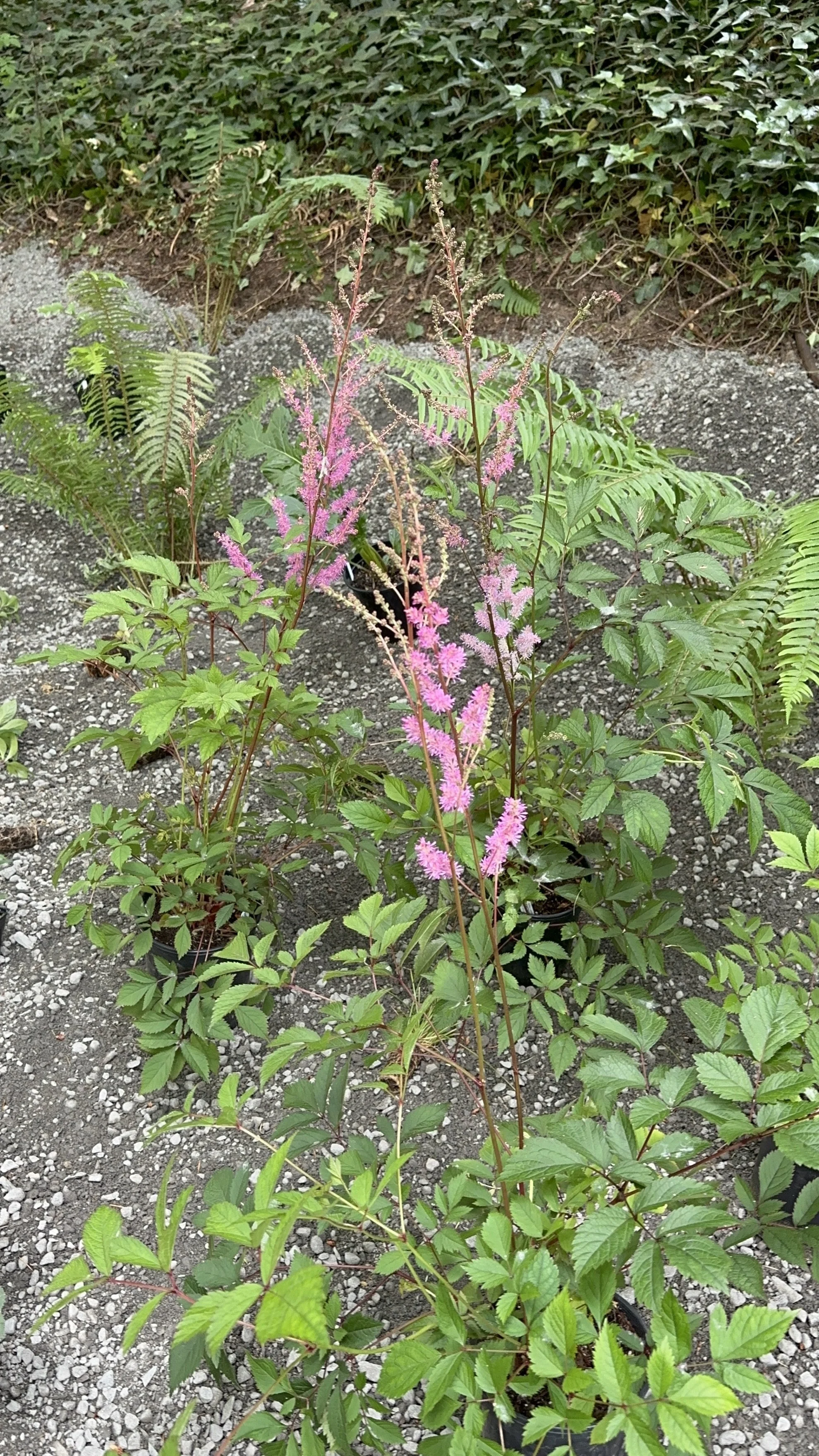
When summer peaks, you won't even see the gravel. A properly designed gravel garden relies on a dense planting matrix. As the perennials and grasses mature, they knit together into a living green carpet that blankets the stones entirely.
But the real joy comes in late winter and early spring during the "big cutback." Instead of raking, bagging, and hauling away every bit of plant debris, we can work *with* nature:
The Late-May Rule: During your spring cleanup, blow or rake all your leftover leaf litter and hollow stem debris into a neat pile in an undisturbed corner of the yard, or tie them loosely into standing bundles. Do not touch or discard them until late May.
Why wait? A vast majority of our critical native pollinators—including solitary bees, beneficial predatory wasps, and delicate butterflies—overwinter as larvae inside the hollow stems of grasses and perennials or tucked under fallen leaves. If you clean up and dispose of your debris in March, you are quite literally throwing your local ecosystem in the trash.
Leaving that pile until late May ensures the ambient temperatures are warm enough for these nesting bugs to safely hatch, providing you with a free army of pollinators and pest-controllers for the season ahead.
Science-Backed Gardening: Academic References
Schmithals, A., & Kühn, N. (2017).** *To mulch or not to mulch? Effects of gravel mulch toppings on plant establishment and development in ornamental prairie plantings.* PLOS ONE. (Demonstrates excellent moisture retention and reduced maintenance inputs using inorganic mulches).
Marble, S. C., et al. (2015).** *A review of weed control practices in landscape planting beds.* HortScience. (Highlights depth thresholds and light exclusion mechanics required for permanent non-chemical weed management).
Altland, J. E., & Boldt, J. K. (2018).** *Influence of substrate physical properties on container weed germination.* Journal of Environmental Horticulture. (Explores how rapid surface drying in coarse aggregates halts weed seed germination).