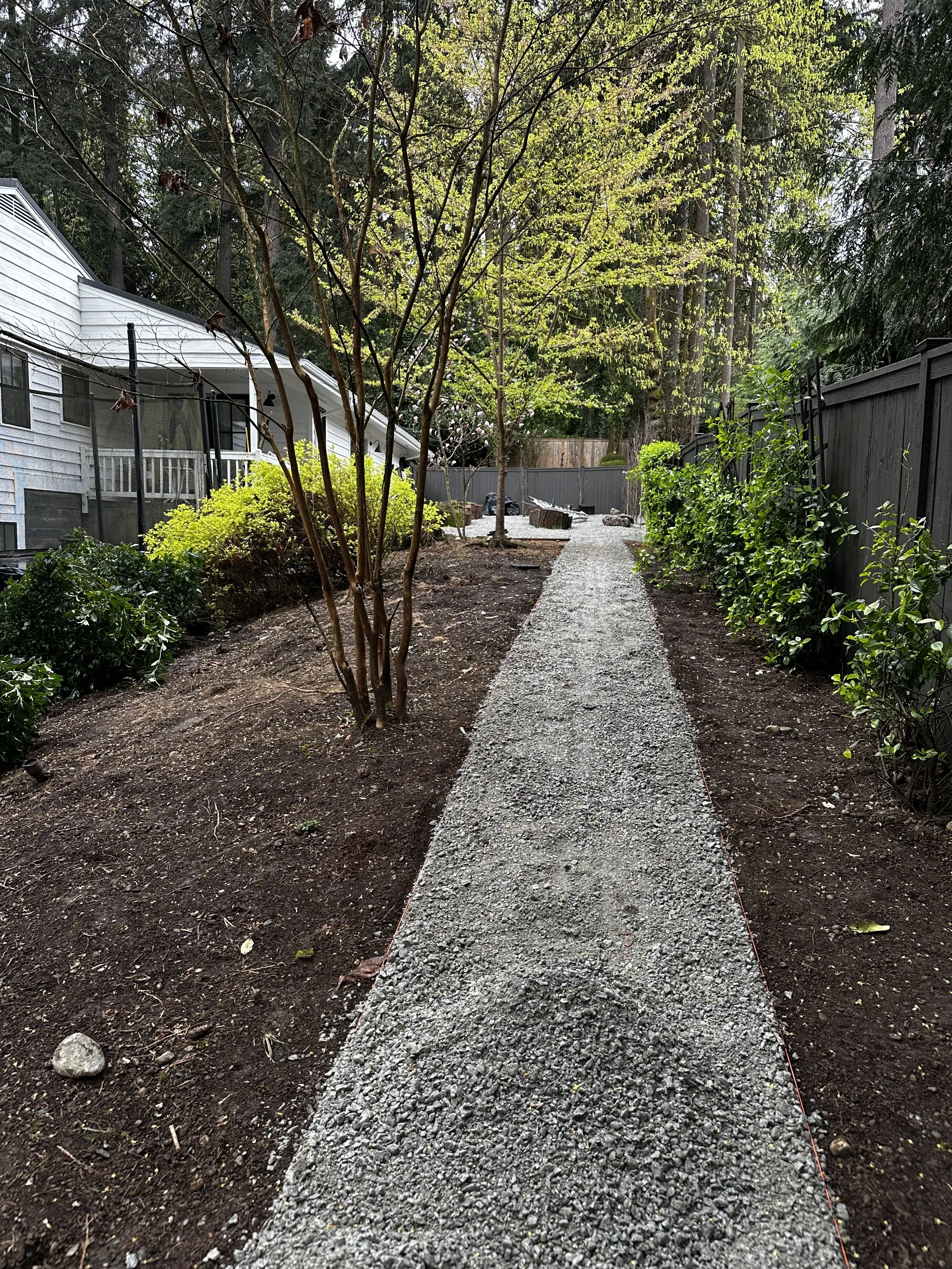
THE SPRING LAYERING GUIDE For Seattle Gardens & The Modern Prairie Aesthetic
Spring in Seattle is more than just a season; it is a gradual, atmospheric awakening. As the heavy mist lifts to reveal the deep charcoal tones of a newly updated exterior, the garden must do more than simply bloom—it must perform. The "Modern Prairie" aesthetic moves away from the static, high-maintenance shrubberies of the past and toward a dynamic, layered ecosystem that celebrates texture over tidiness.
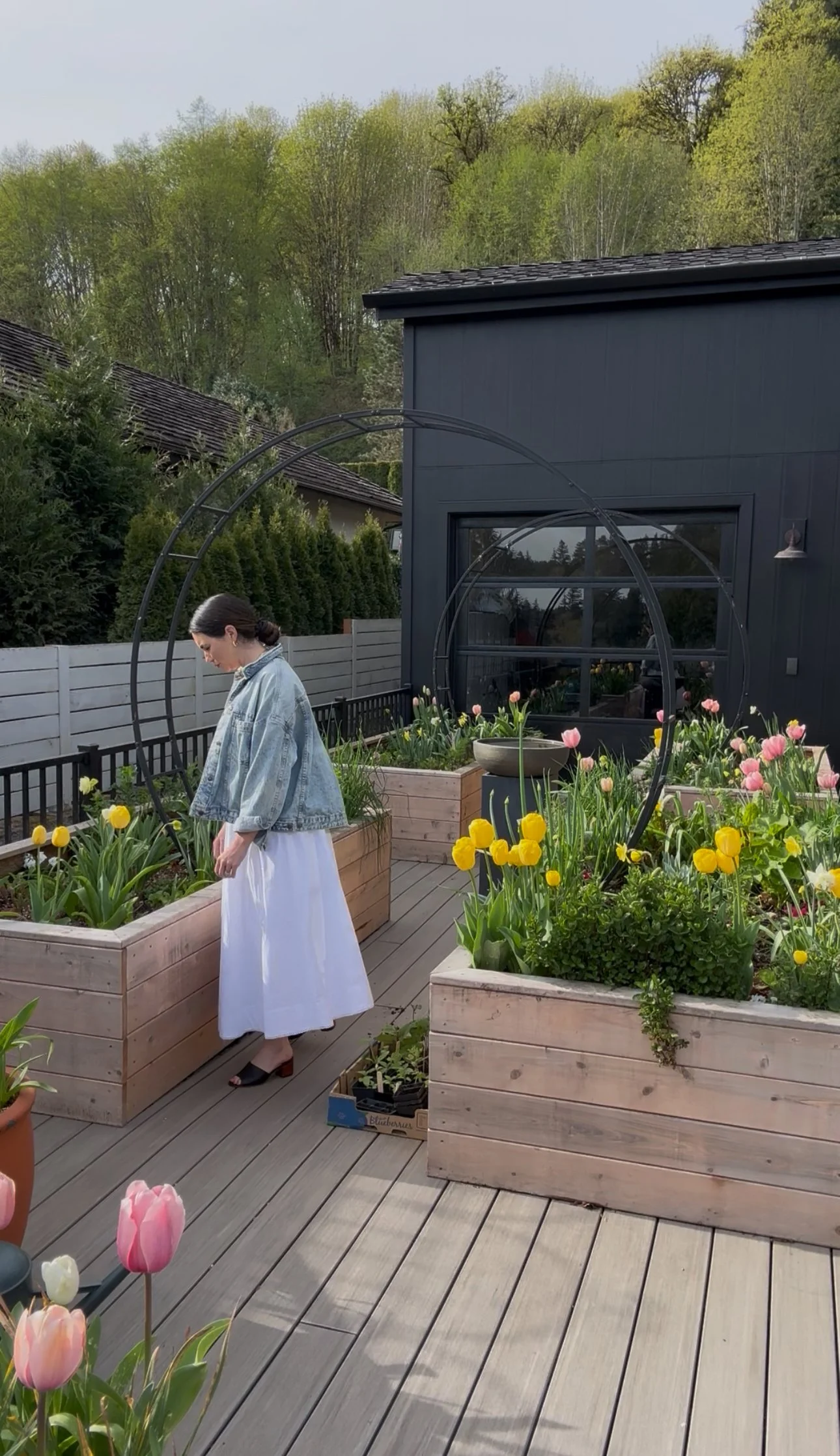
By combining the architectural strength of multi-stem trees with a soft, swaying matrix of grasses and perennials, we can create a landscape that feels both wild and profoundly intentional. This guide explores how to master that delicate balance, ensuring your garden remains as structural in the winter as it is vibrant in the spring.
Layer 1: The Structural Layer
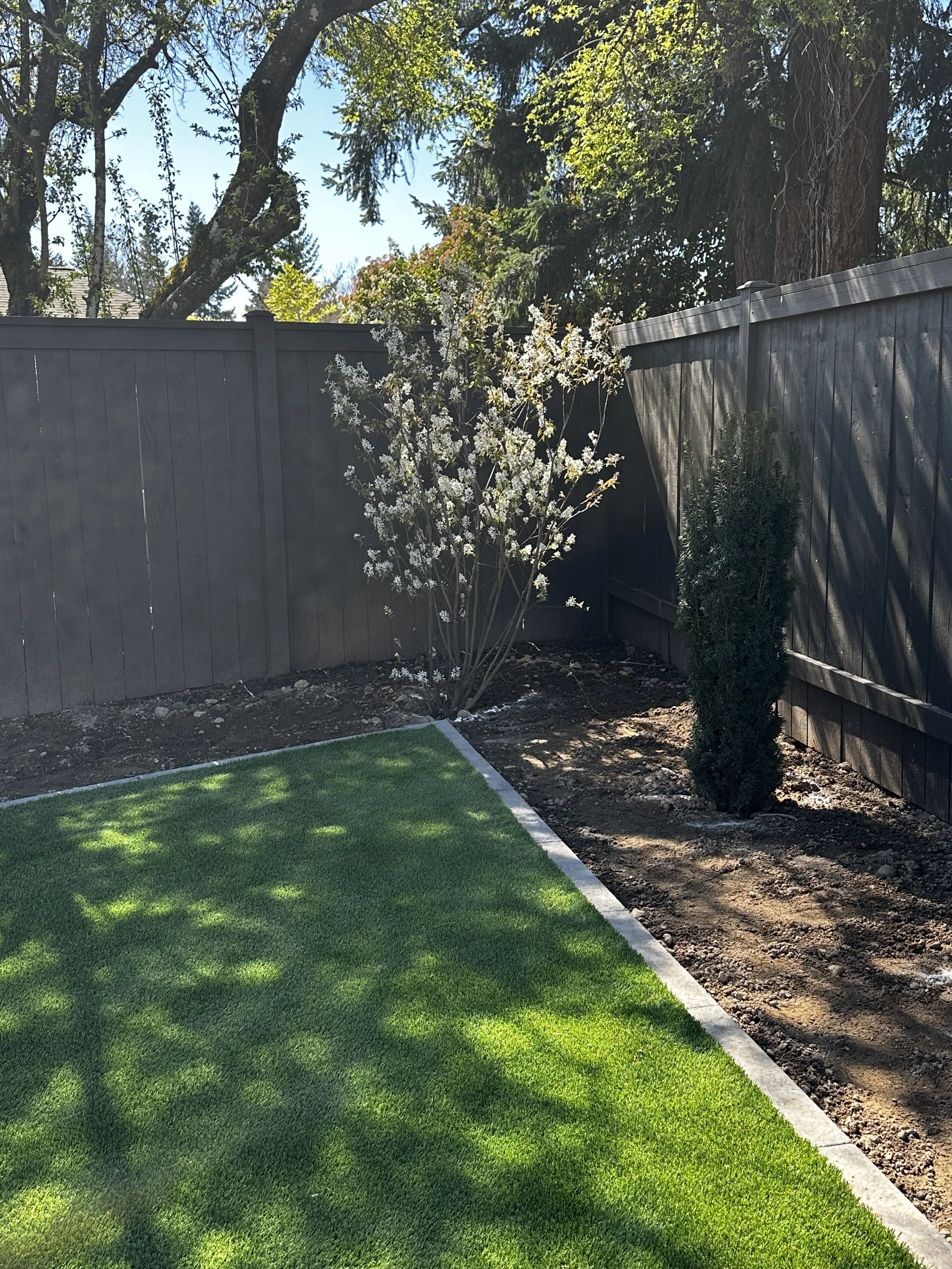
Architectural Anchors To ground a modern prairie, you need verticality that offers seasonal shifts. We’ve discussed the elegant Stewartia and privacy-focused Hornbeams, but for a true Northwest "Modern Meadow," Serviceberries (Amelanchier) are indispensable. These multi-stem beauties provide a delicate white bloom in early spring—mirroring the misty Seattle skies—before transitioning to edible berries and an explosive orange-red fall canopy. Their airy structure allows light to reach the lower layers while creating a sophisticated, etched silhouette against charcoal or "Iron" house siding.
Layer 2: The Hidden Spark Spring Bulbs
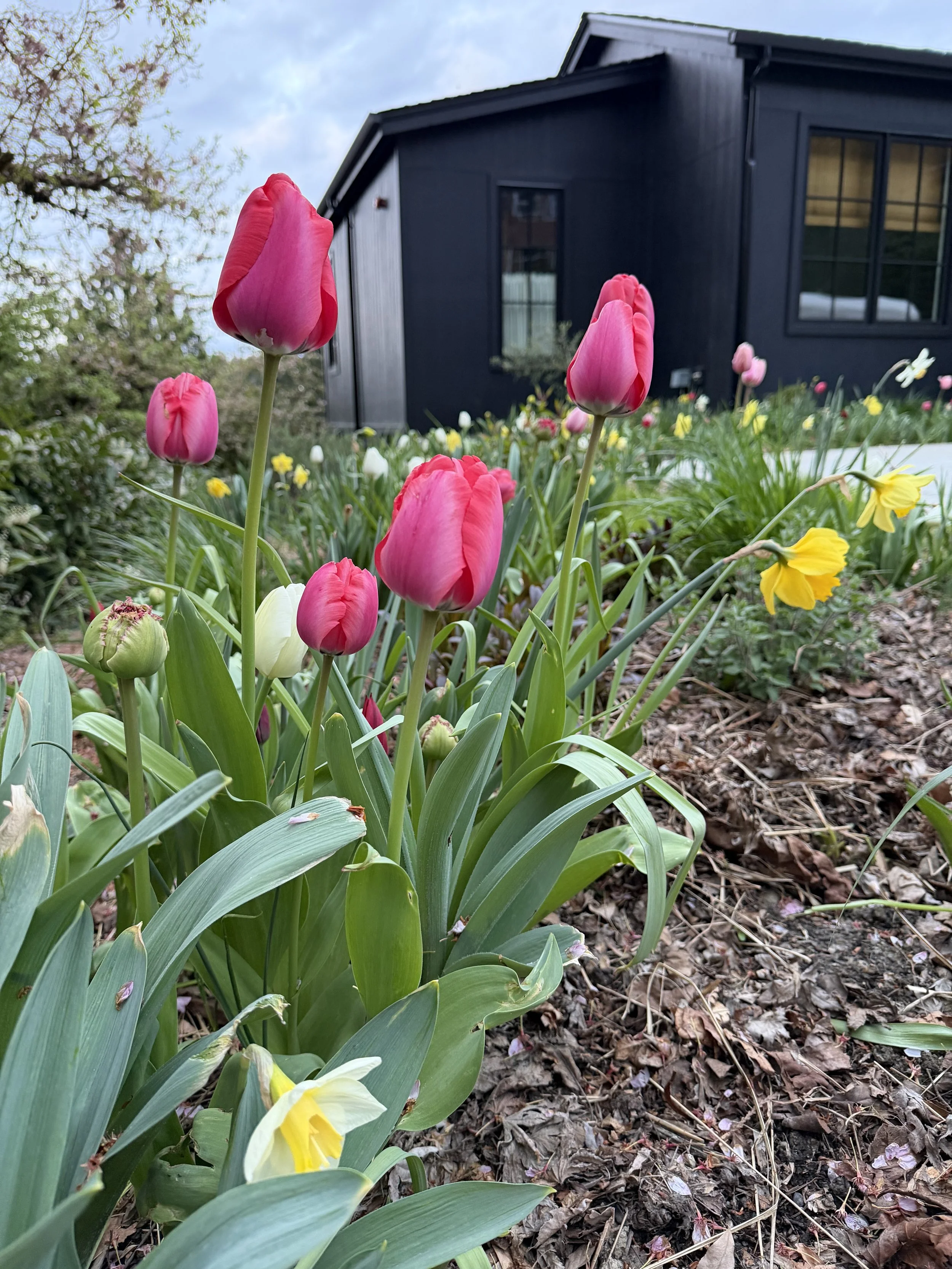
For a garden that feels intentional year-round, spring bulbs should be treated as "scattered light" within the meadow. Instead of rigid rows, drift Daffodils, Tulips, Alliums and Camassia (a PNW native) through your grasses. These bulbs pierce through the emerging perennial foliage in March, April and May, providing tall, sculptural globes of color that seem to float above the ground. As the bulb foliage yellows and fades, the surrounding meadow layers rise up to hide the spent leaves, keeping the garden looking pristine without the need for manual cleanup.
Layer 3: Detailed Ground Cover The Matrix Layer
The ground cover is the most critical functional layer; it suppresses weeds and locks in moisture. In a modern meadow, we aim for a dense, tactile carpet that flows around the concrete paths and garden borders.
Sesleria autumnalis (Autumn Moor Grass): The workhorse. It creates a mounded, lime-green texture that remains semi-evergreen in Seattle's mild winters, providing structure when other perennials have been cut back.
Hardy Geraniums: Described as the "knitters" that weave the garden together and suppress weeds with their dense foliage.
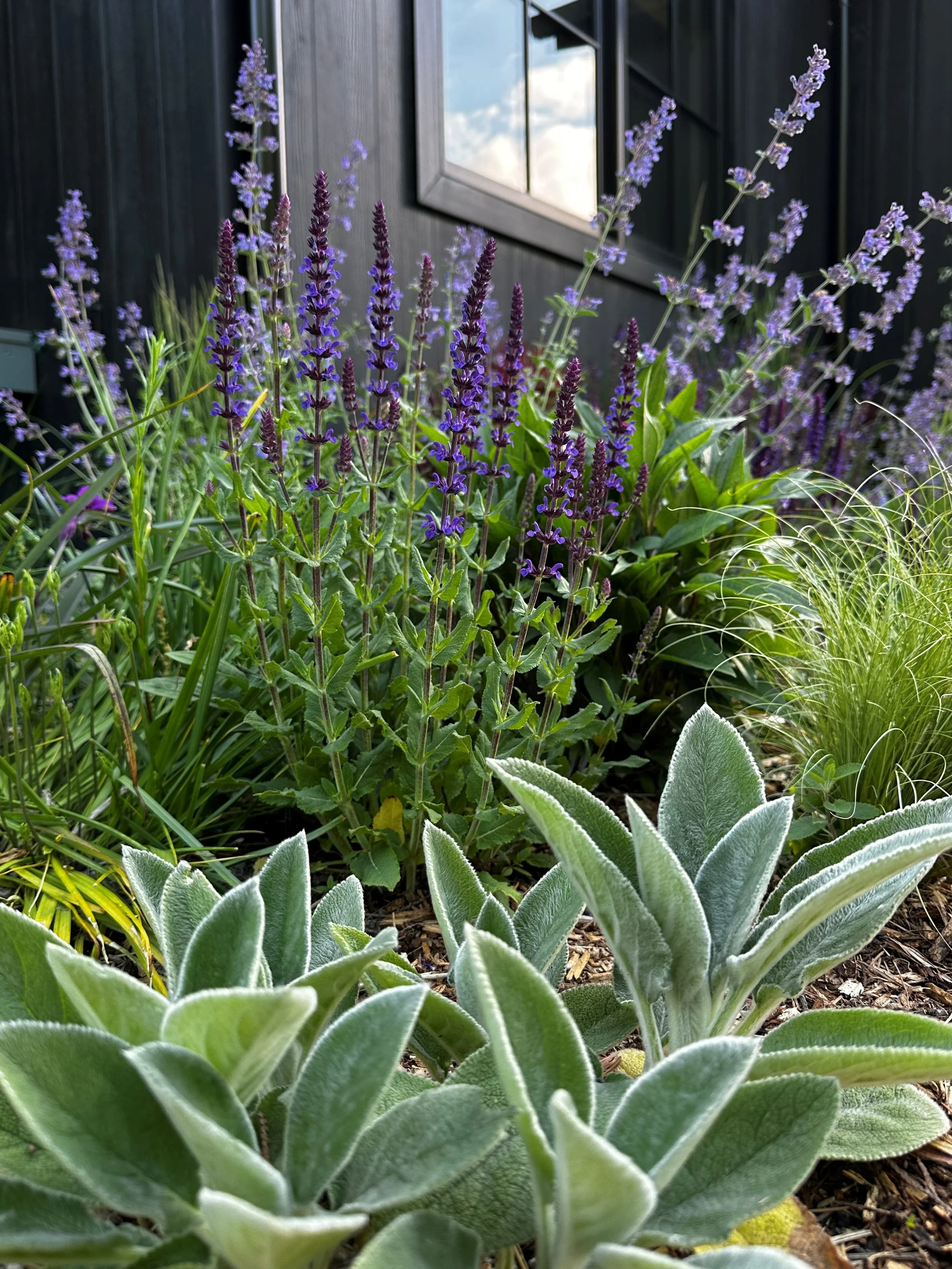
Nepeta (Catmint): Highlighted for its ability to create "billowy clouds" and soften the hard edges of your concrete and gravel transitions.
Allium 'Summer Beauty': Emphasized as a structural workhorse that provides glossy green foliage all season and a rhythmic "polka-dot" effect with its mid-summer blooms.
Design Tip: By combining the fine texture of Sesleria with the bold verticality of Serviceberry stems, you create a garden that feels both wild and deeply controlled.
Layer 4: The Mid-Story Color
This is where the "Modern Prairie" comes alive. We focus on cool purples, vibrant oranges, and structural seed heads. The PNW Favorites:
Baptisia 'Purple Smoke' (False Indigo): This is the ultimate "sculptural" perennial. Emerging in spring with charcoal-grey stems that look like asparagus, it quickly develops into a shrub-like mound of glaucous, blue-green foliage. The 'Purple Smoke' variety features smoky violet flowers that mimic the mist of the Sound. Once the blooms fade, the plant maintains a crisp, architectural presence all summer, eventually producing black seed pods that rattle in the breeze and look stunning against your charcoal fence.
Amsonia hubrichtii (Arkansas Bluestar): Known for having "three seasons of interest," Amsonia is the textural darling of modern garden designers. In spring, it offers clusters of sky-blue stars, but its true magic lies in its fine, thread-like foliage. It creates a soft, feathery haze that catches the low Seattle light, providing a brilliant tactile contrast to the broad leaves of the Baptisia. In the fall, it transforms from green to a vivid, electric gold, creating a "glow" in the garden that persists long after the flowers have gone.
Geum 'Totally Tangerine': A long-blooming orange that dances on thin stems— perfect contrast to charcoal fences.
Salvia 'Caradonna': Dark purple stems that look architectural even after the flowers fade.
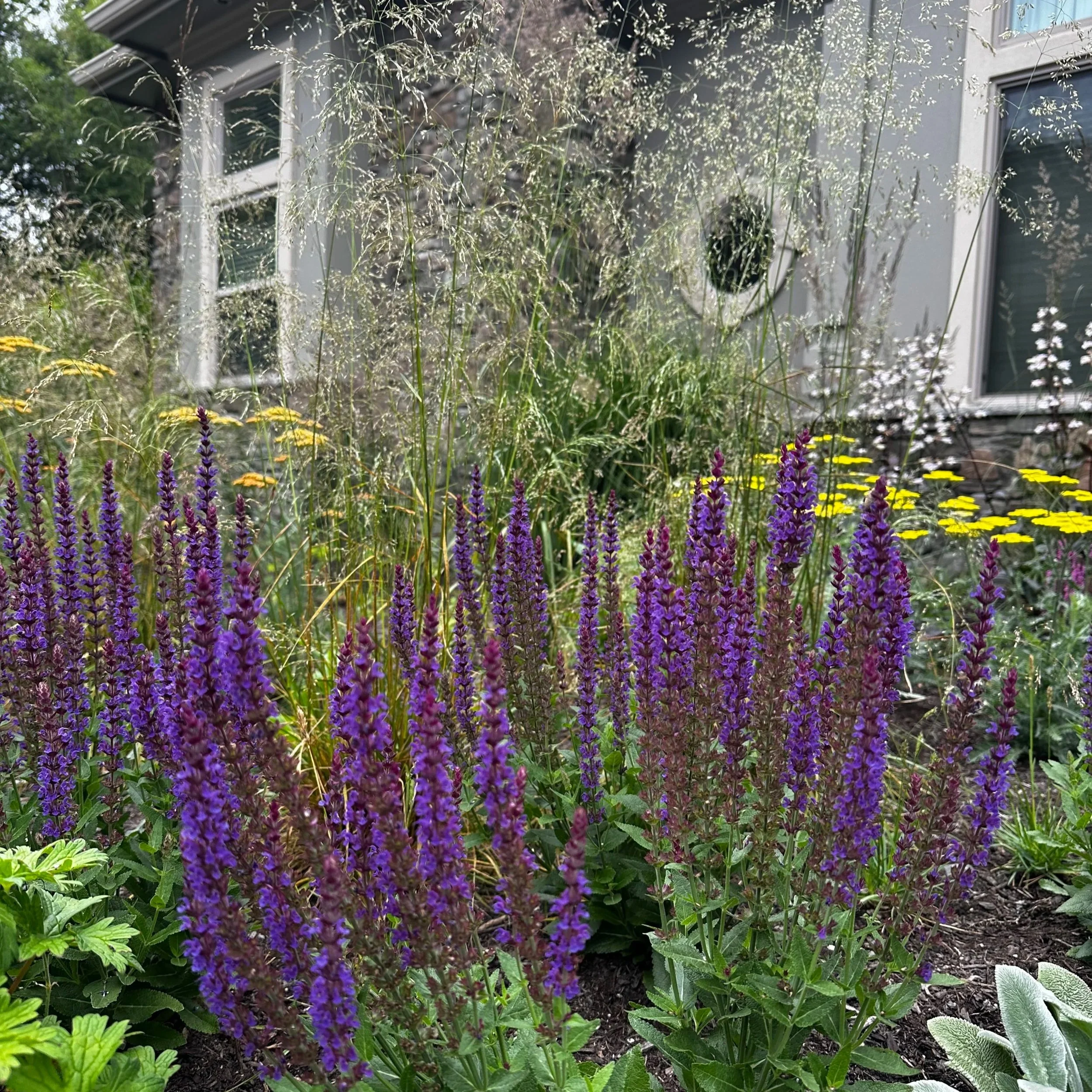
Design Tip: When painting your home's exterior "Iron" or "Charcoal," use these cool-toned plants. The dark background makes the fine textures of Russian Sage and the white bark of Birch trees look like a living painting.
Layer 5: Hardscape Transitions
Modern Seattle gardens thrive on the contrast between the organic meadow and clean lines. Use compacted 1/4" minus gravel for paths to allow water to permeate our rainy soil while providing a crisp, neutral floor for your "Modern Prairie" to spill over.