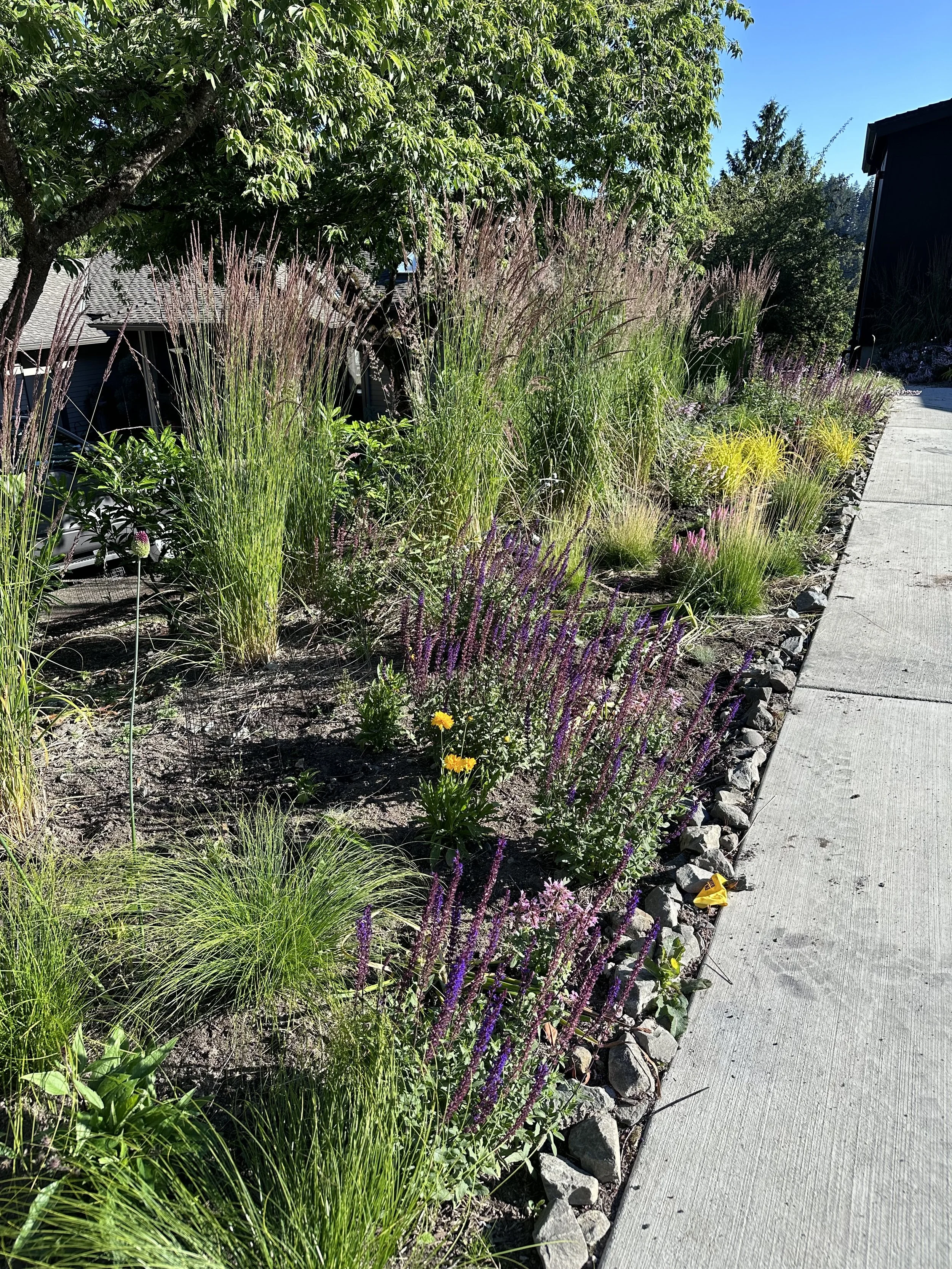
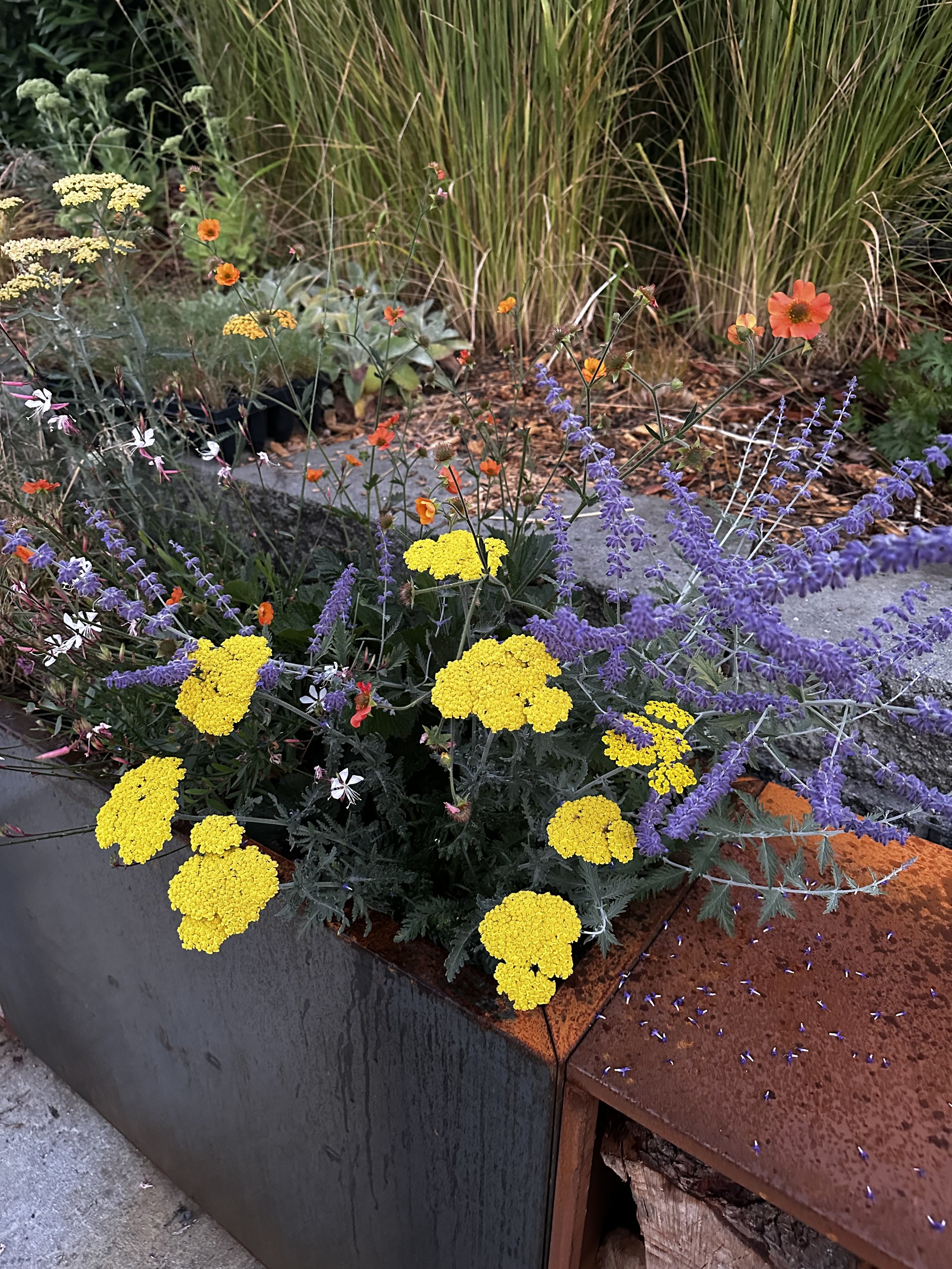
Are you ready to bring color, texture, and year-round rhythm to your outdoor space — even before a full garden design? Our Starter Plant Package is designed for gardeners who want a thoughtful, beautifully balanced planting foundation that feels intentional from day one. Whether you’re just beginning your garden journey or want to refresh existing beds with a cohesive palette, this curated collection offers the perfect mix of ornamental grasses and perennials to get you growing.
Priced for accessibility and delivered right to your door in the Seattle & Eastside area, this package blends structure, seasonal bloom, and low-maintenance performance — all in 1-gallon, garden-ready plants.
🌾 1. Ornamental Grasses — 40 Plants (40% of the Package)
Grasses form the backbone of dynamic, naturalistic gardens. They provide form, movement, and texture in every season — waving elegantly in the breeze and offering winter structure once blooms have faded.
✨ Karl Foerster (10 plants)
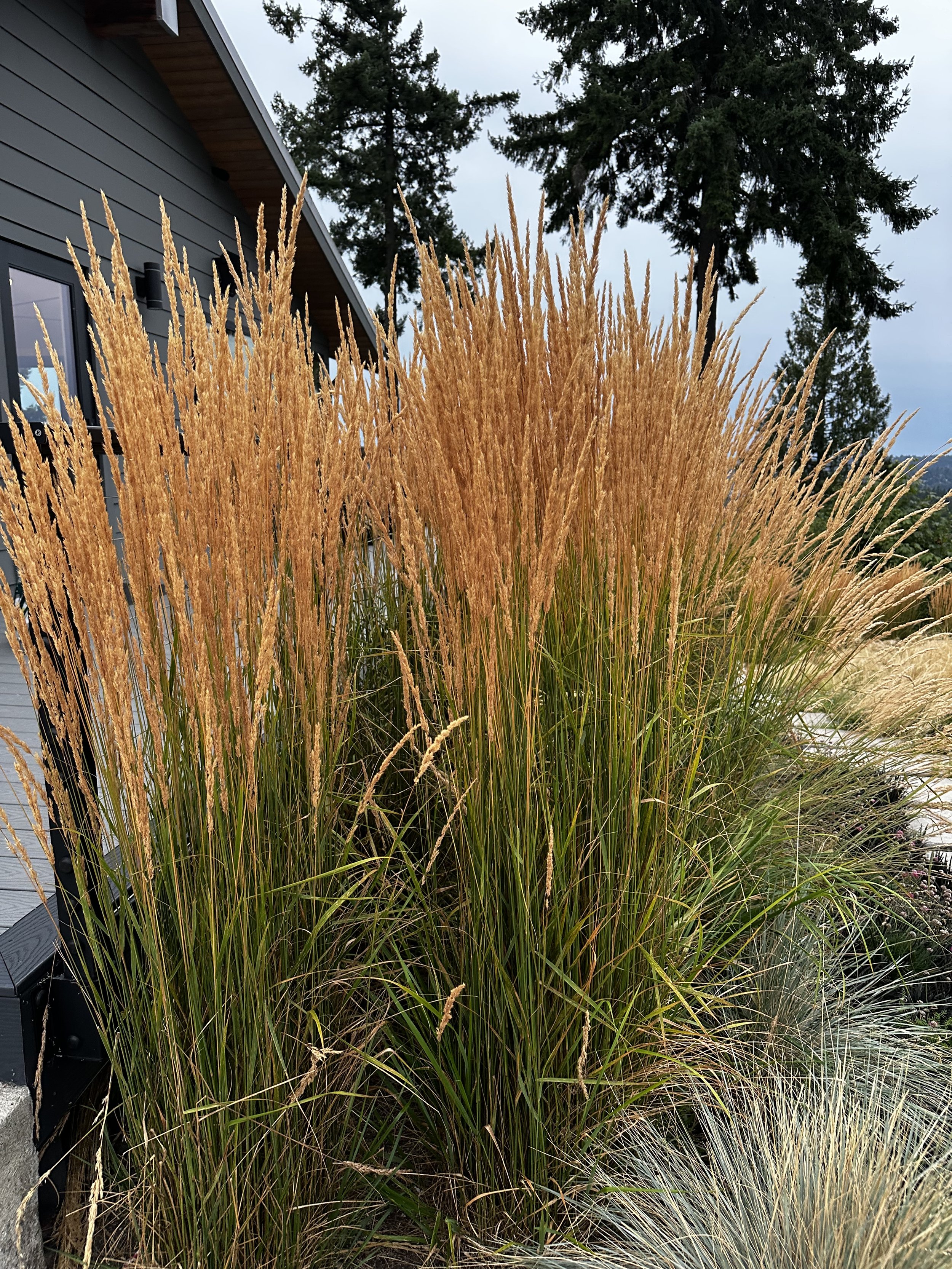
A classic tall, upright grass with beautiful fall color and seed heads that persist through winter. It’s incredibly versatile and works well at the back of beds or as a vertical accent.
🐇 Pennisetum ‘Bunny’ (10 plants)
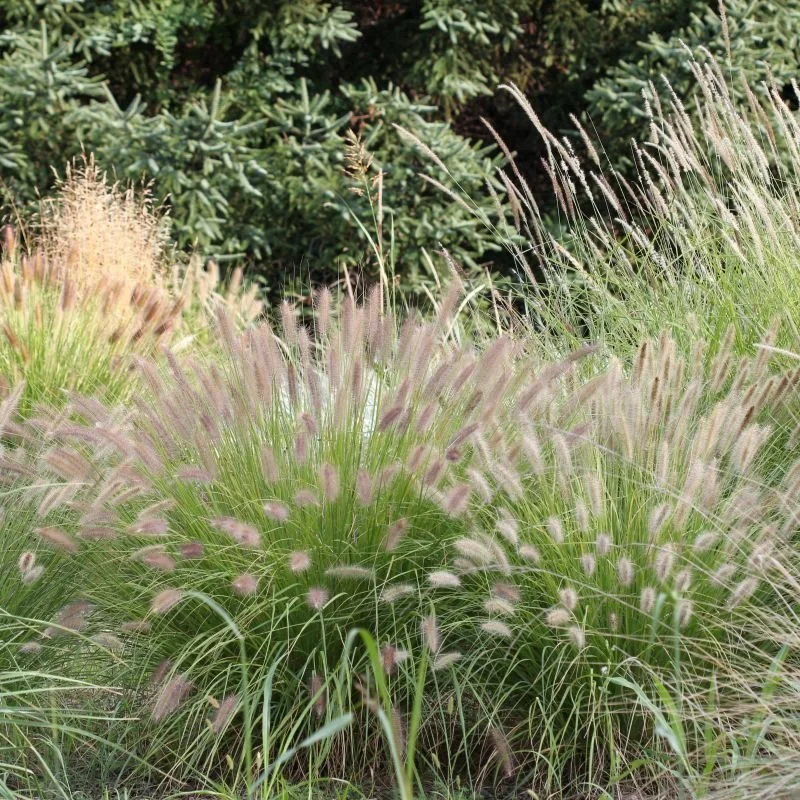
Soft, fluffy plumes give this grass a playful character in summer and early autumn. Its rounded form adds contrast to more linear species.
🌿 Deschampsia cespitosa (10 plants)
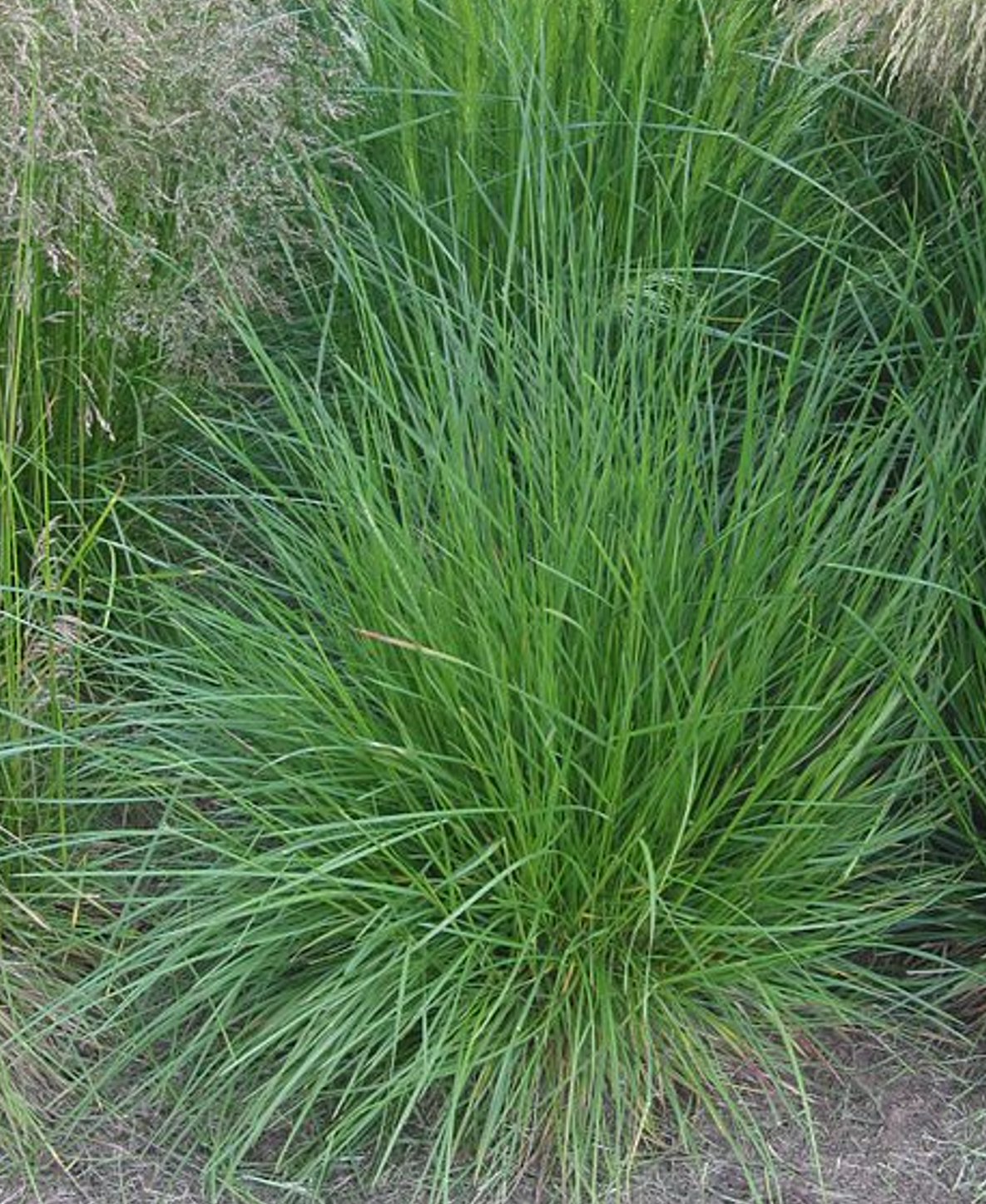
This tufted native grass adds fine texture and a soft, feathery movement. It helps bridge the look between perennials and sturdier ornamental grasses.
💫 Miscanthus sinensis ‘Adagio’ (5 plants)
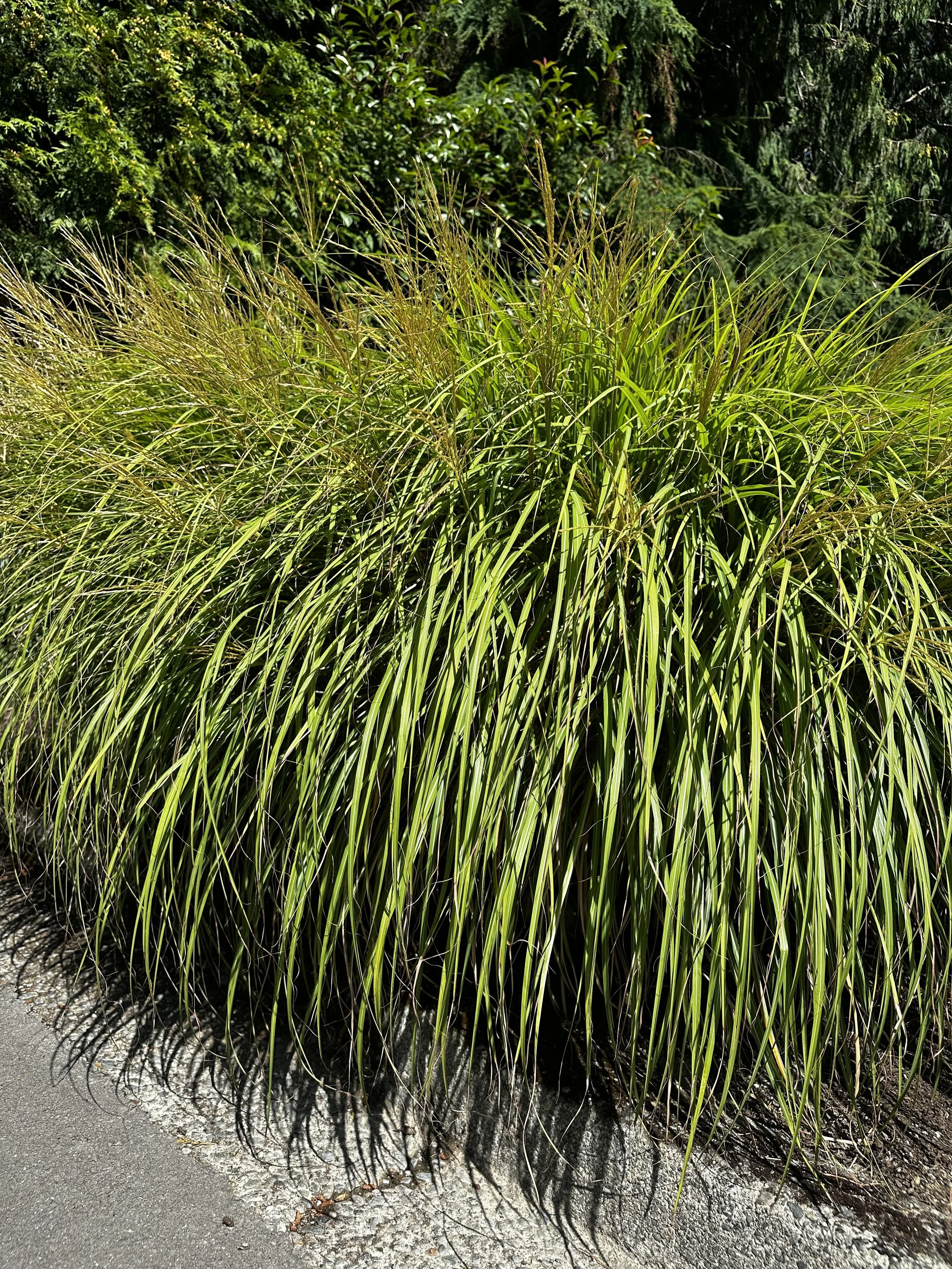
A refined, narrow-leaf variegated grass that brings lightness and brightness to the garden, especially when backlit by sun.
🏹 Stipa gigantea (5 plants)
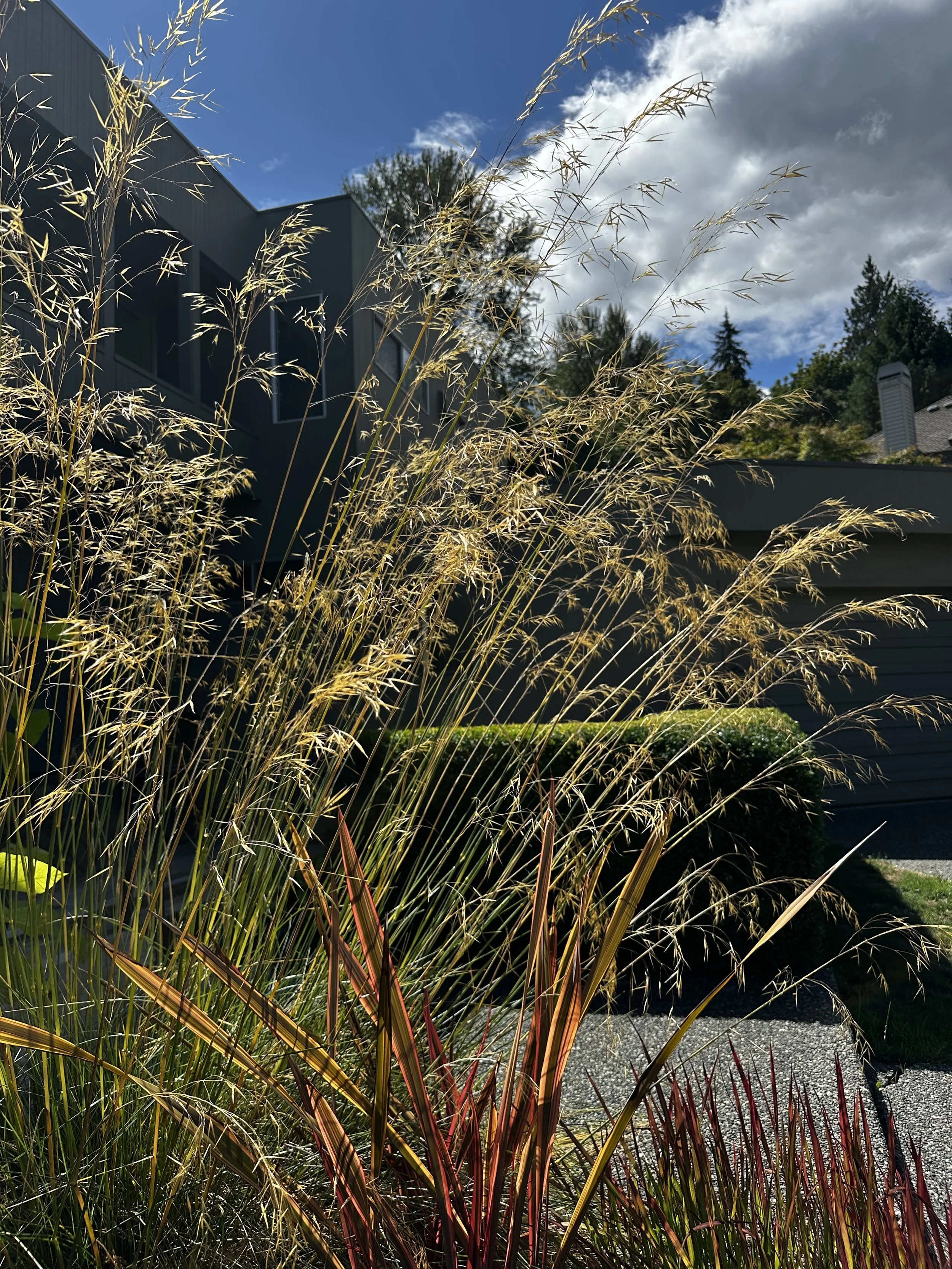
Known for its tall, dramatic stems and golden oat-like flower heads, this grass makes a statement and offers great winter interest.
🌼 2. Spring Perennials — 20 Plants
These plants deliver early season blooms and set the stage for a garden that builds color as the year progresses.
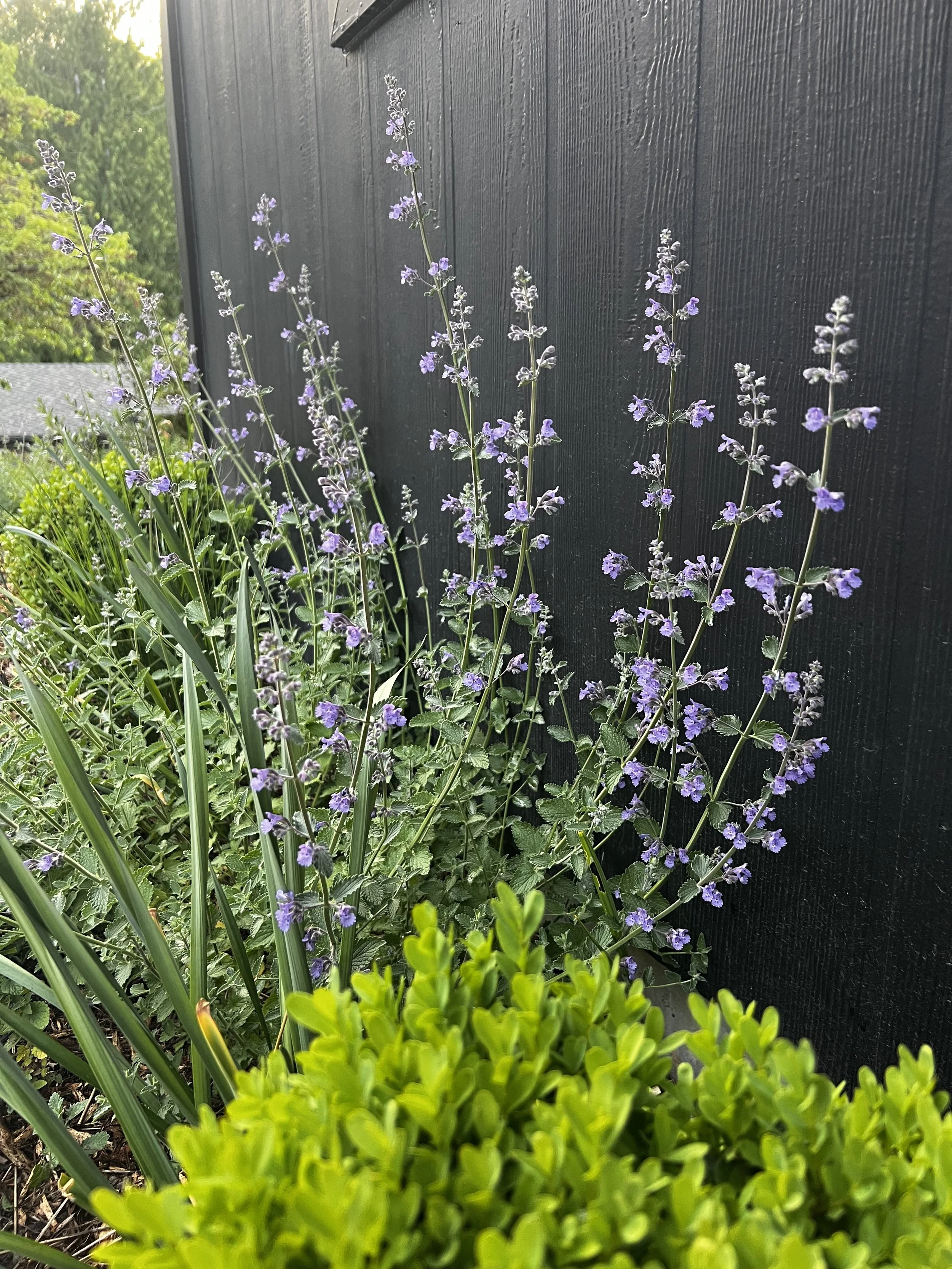
💜 Nepeta ‘Walker’s Low’ (5 plants)
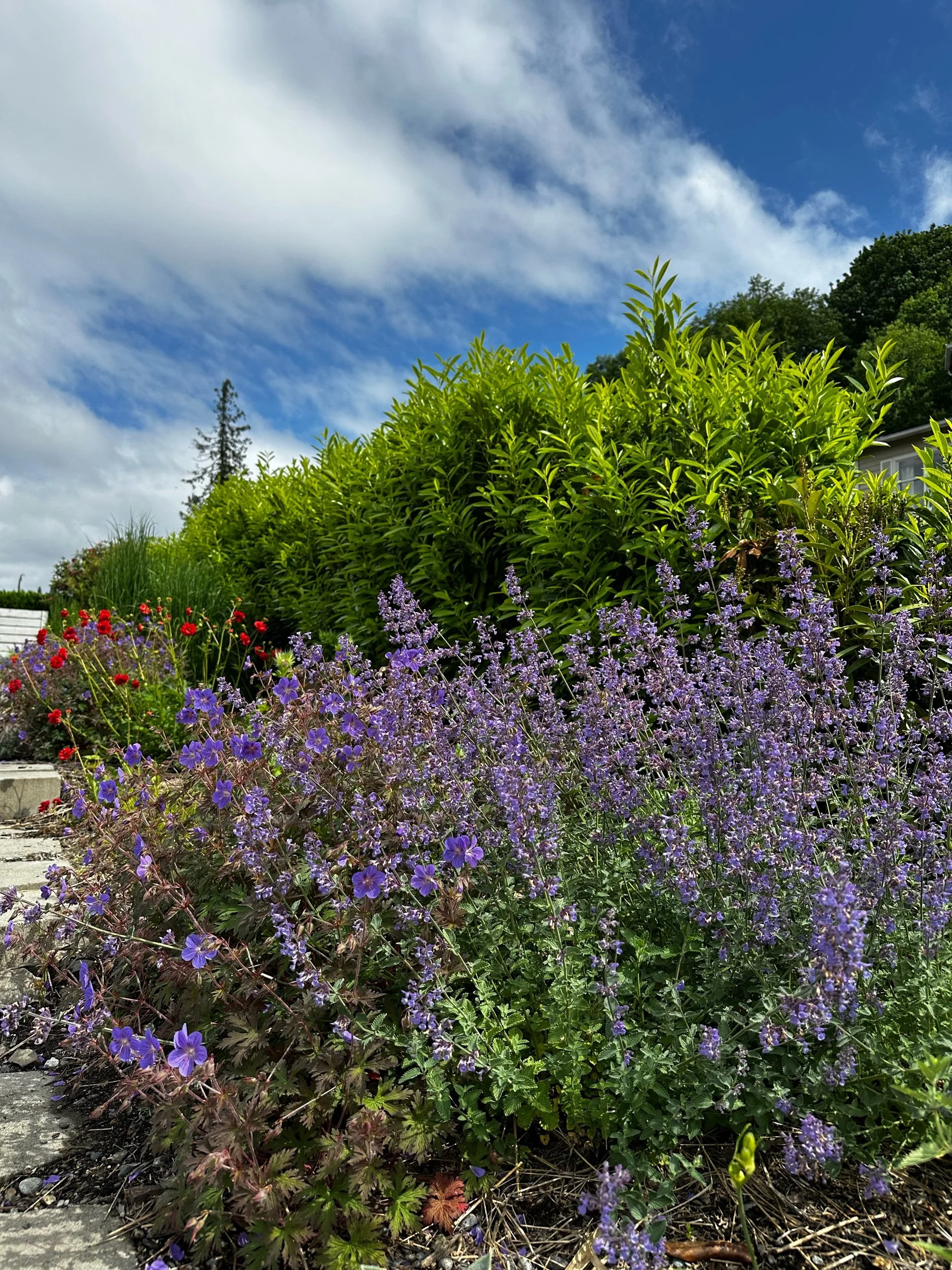
A garden favorite with soft purple blooms and aromatic foliage. It’s excellent for attracting pollinators and provides long-lasting color.
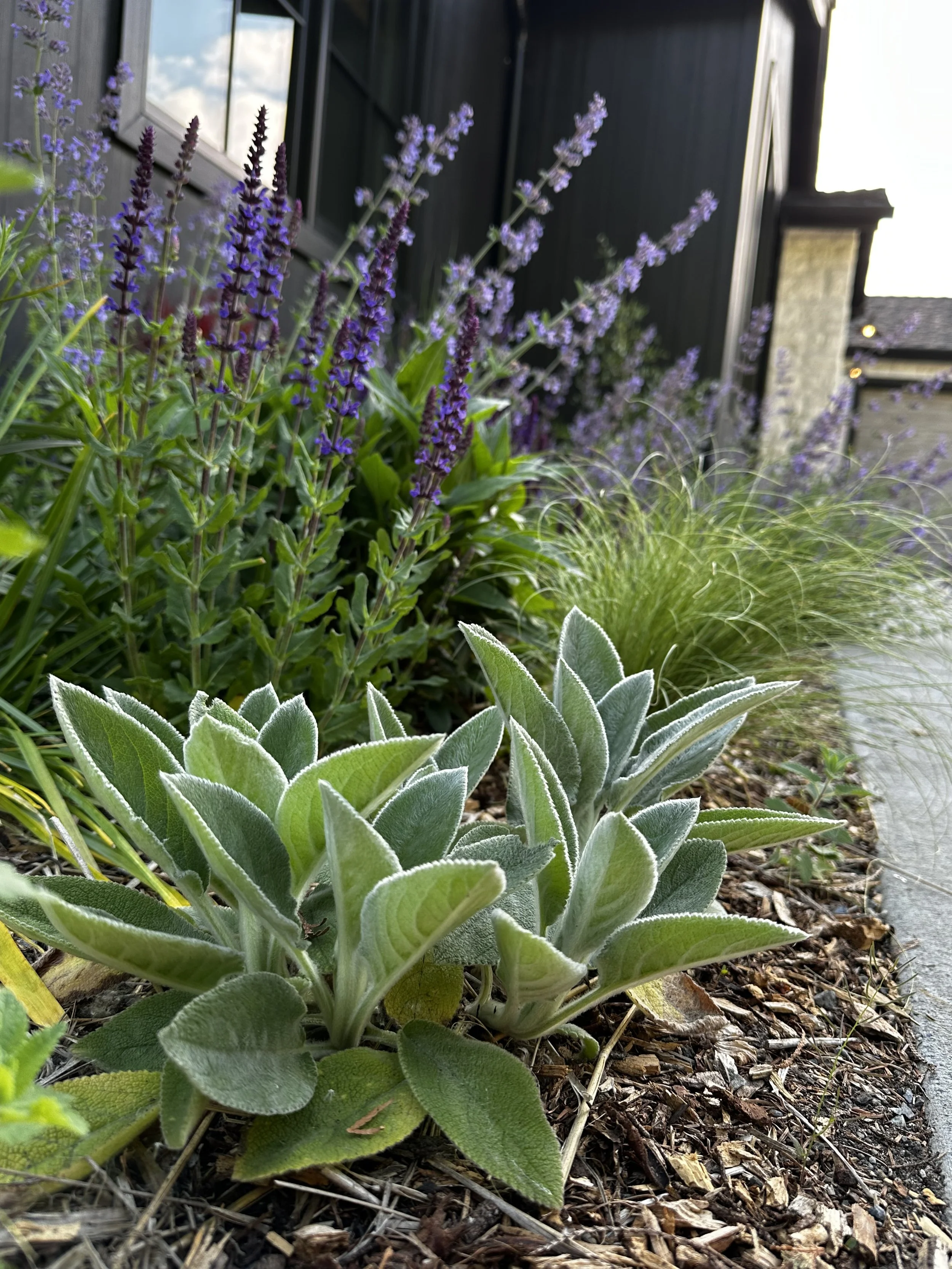
🐑 ‘Big Ears’ Lamb’s Ear (5 plants)
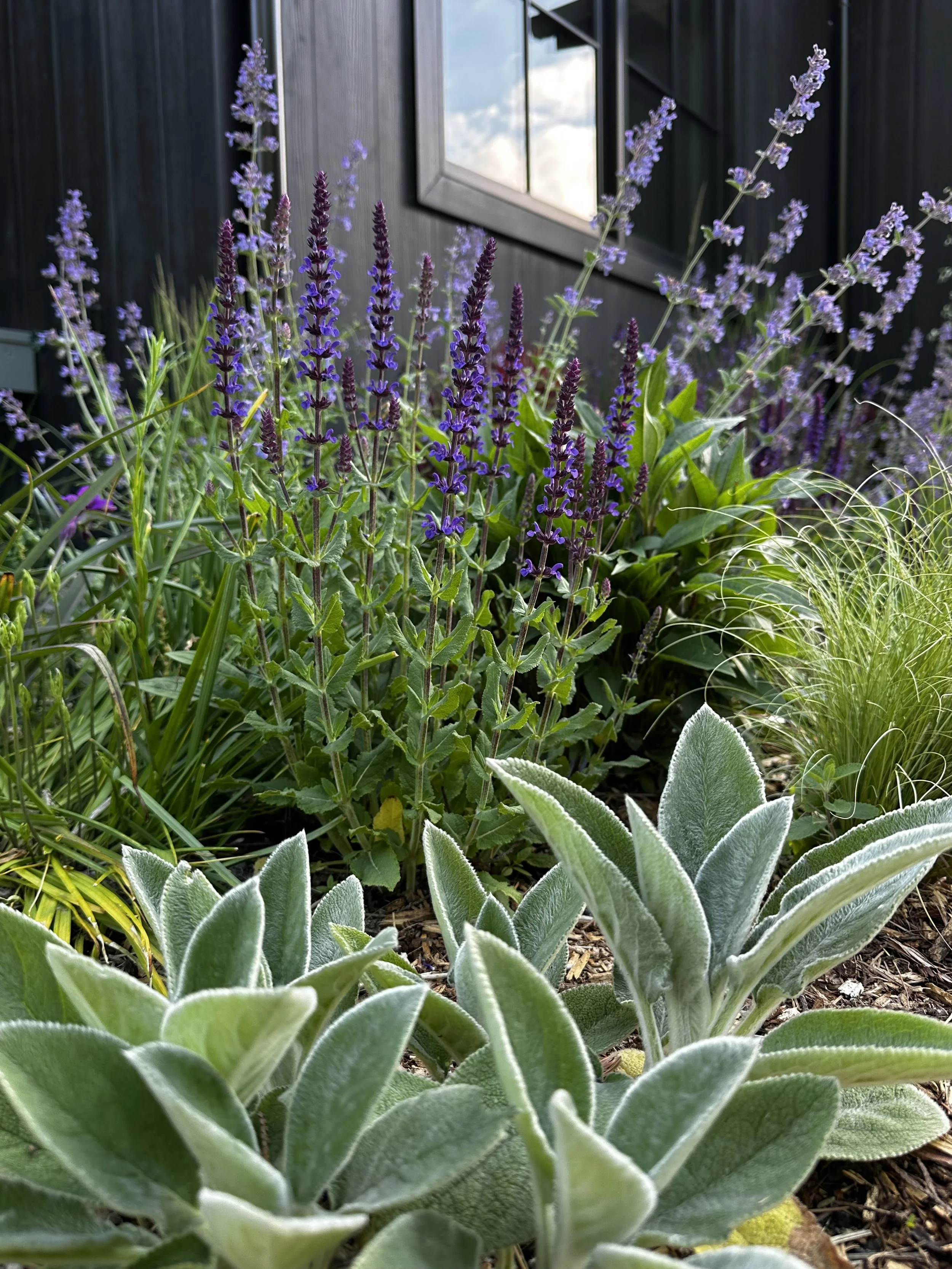
Velvety, silvery foliage creates contrast at the front of beds and is incredibly forgiving — both drought-tolerant and kid-friendly in the garden.
🌸 Salvia ‘Caradonna’ (5 plants)
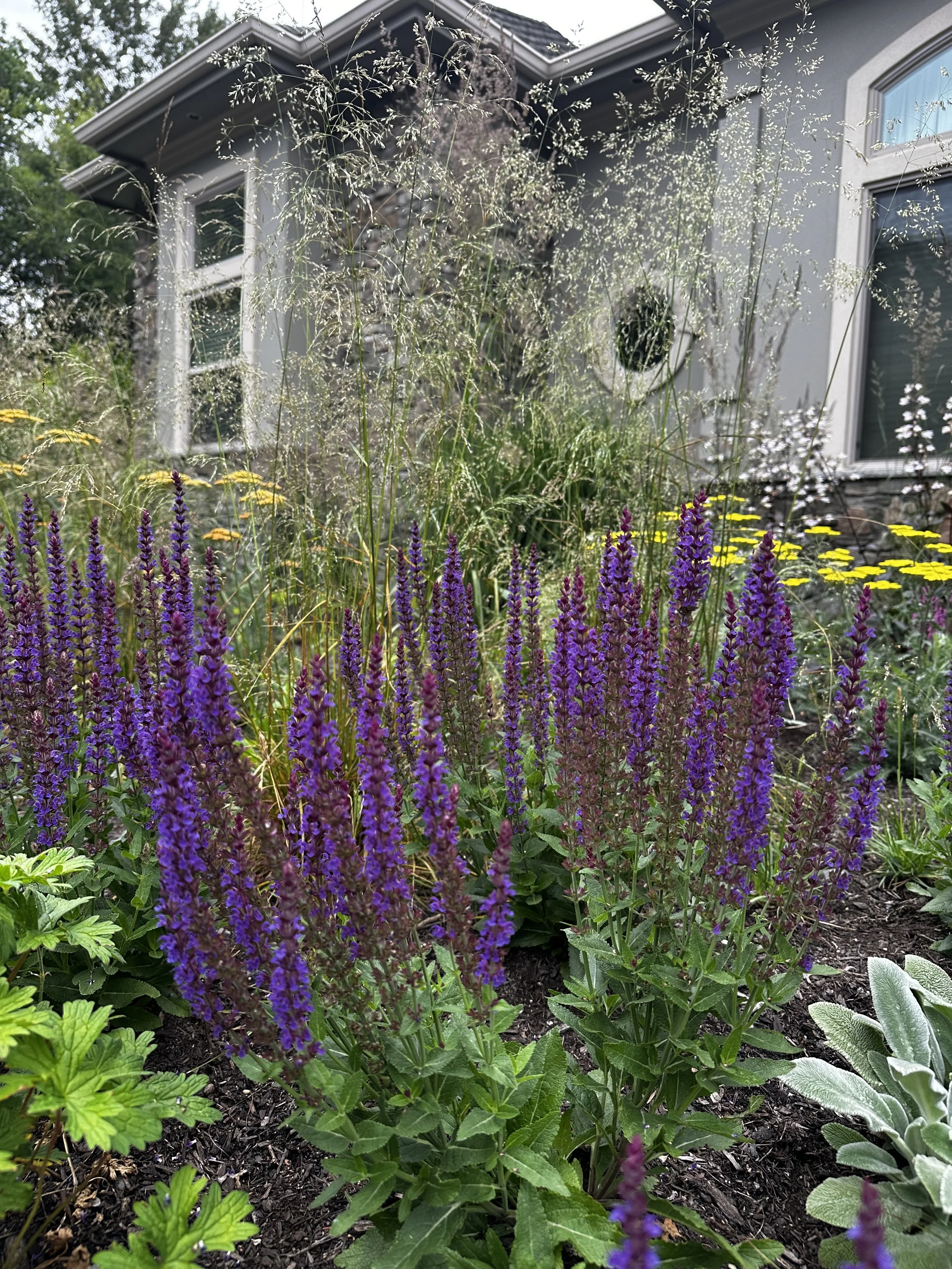
Elegant, deep purple flower spikes rise above a neat foliage mound, giving vertical interest and supporting bees and butterflies.
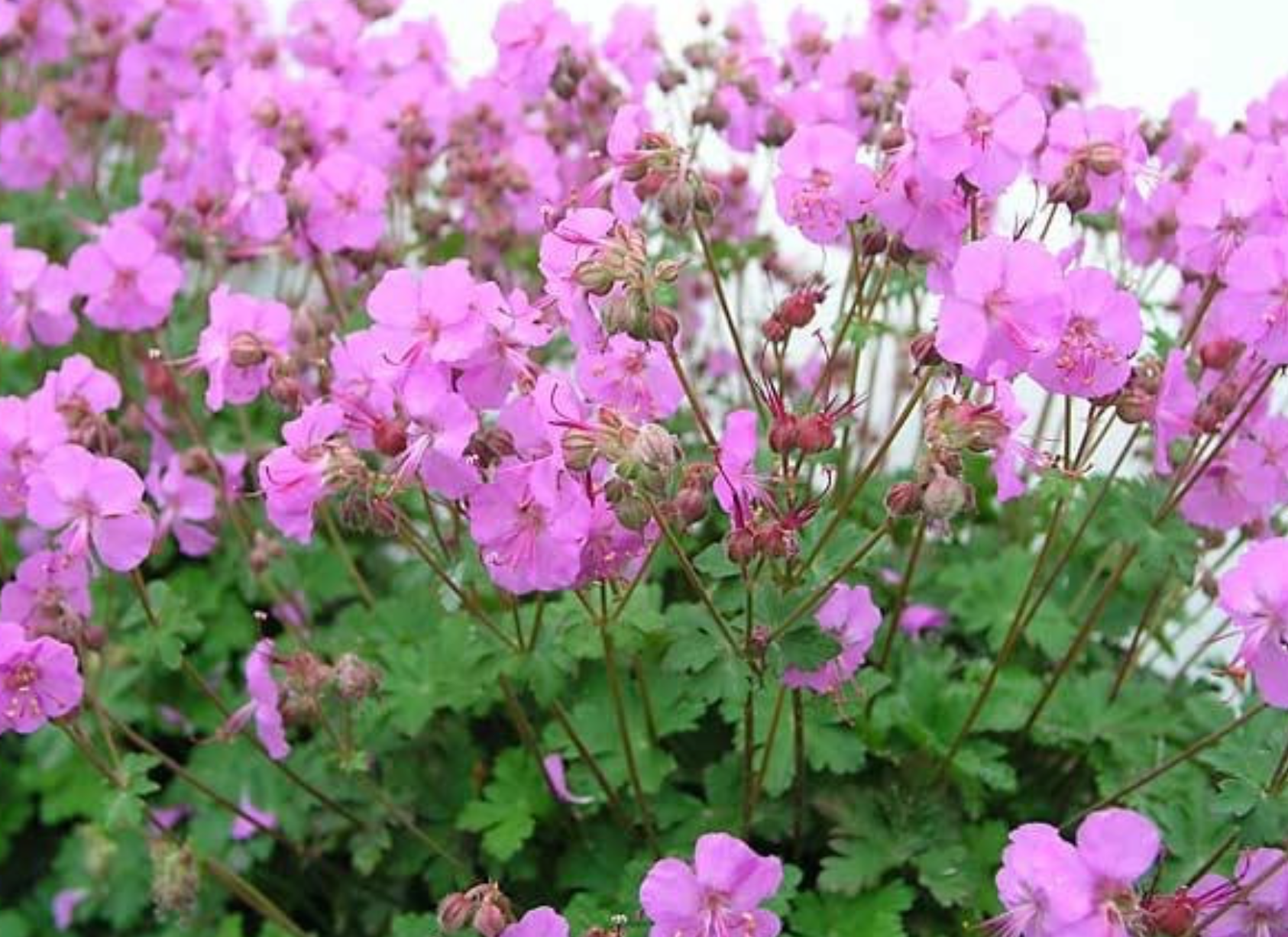
💗 Geranium × cantabrigiense ‘Karmina’ (5 plants) Soft pink flowers with a mounding habit make this geranium a perfect edge plant that spills into pathways and borders.
☀️ 3. Summer Perennials — 20 Plants
These sun-loving perennials ensure your garden is in full bloom through the heart of summer.
🟠 Achillea ‘Terracotta’ (5 plants)

Warm, earthy colors and flat-topped blooms are friendly to pollinators and provide excellent cut flowers.
🌼 Coreopsis ‘Zagreb’ (5 plants)

Bright yellow flowers offer cheerful summer color and repeat blooms in sunny spots.
💙 Agastache ‘Blue Fortune’ (5 plants)
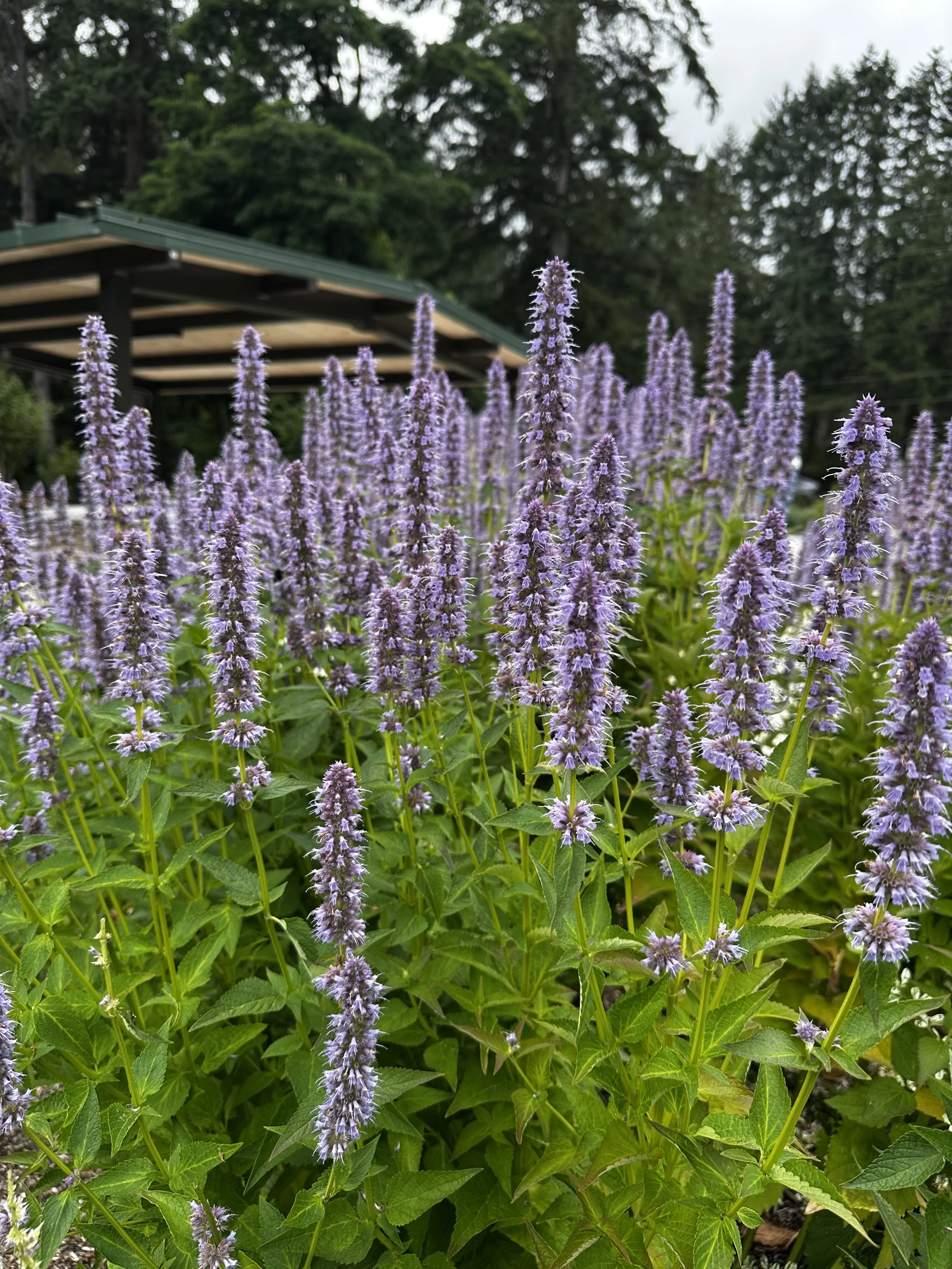
Tall spires of purple flowers with aromatic foliage — an absolute magnet for bees, butterflies, and hummingbirds.
🍊 Geum ‘Totally Tangerine’ (5 plants)
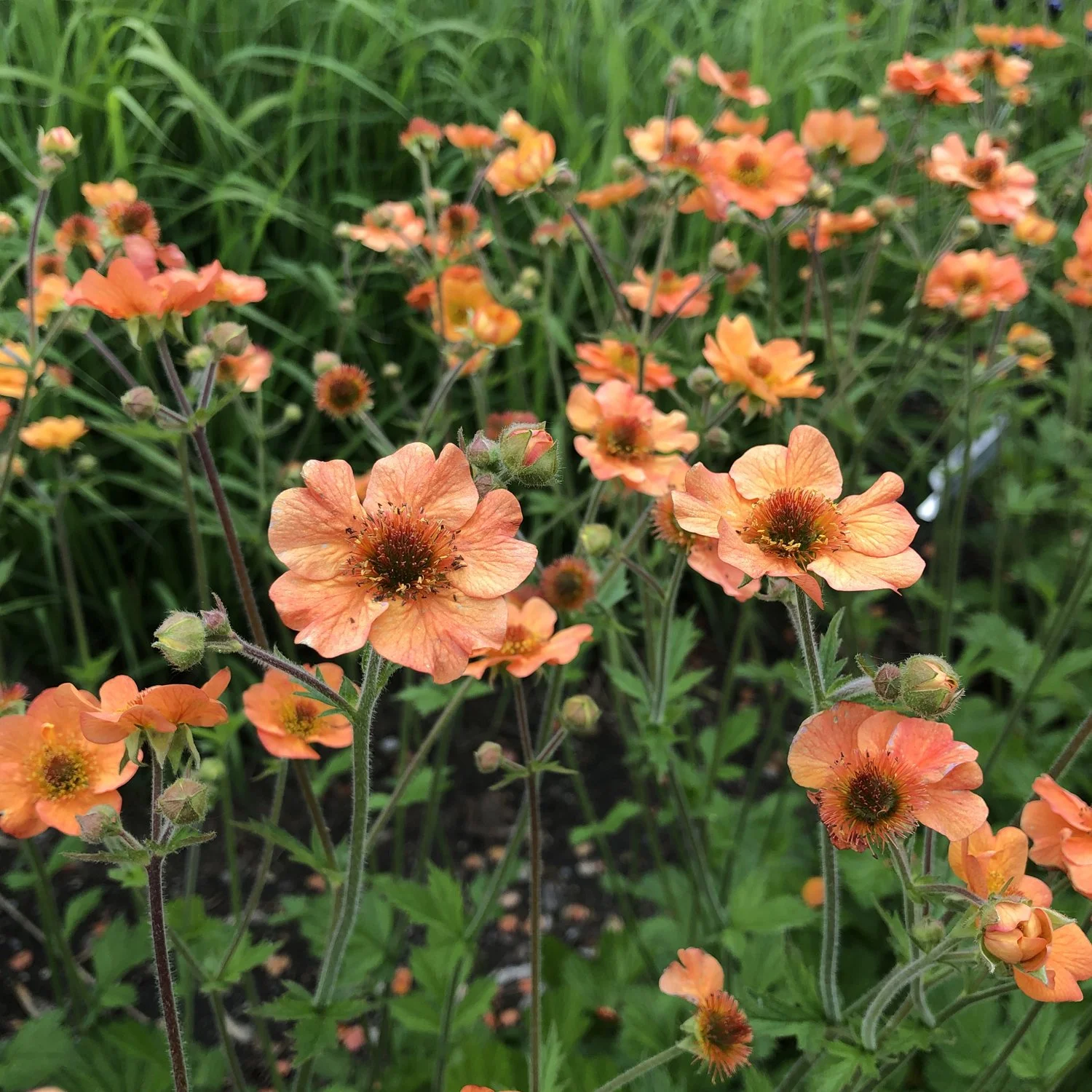
Explosive orange blooms add warmth and energy to the middle season palette, bridging spring and summer.
🌇 4. Late Summer & Fall Interest — 20 Plants
This group keeps your garden alive long after midsummer, adding height and texture as days shorten.
💙 Perovskia ‘Little Spire’ (Russian Sage) (5 plants)
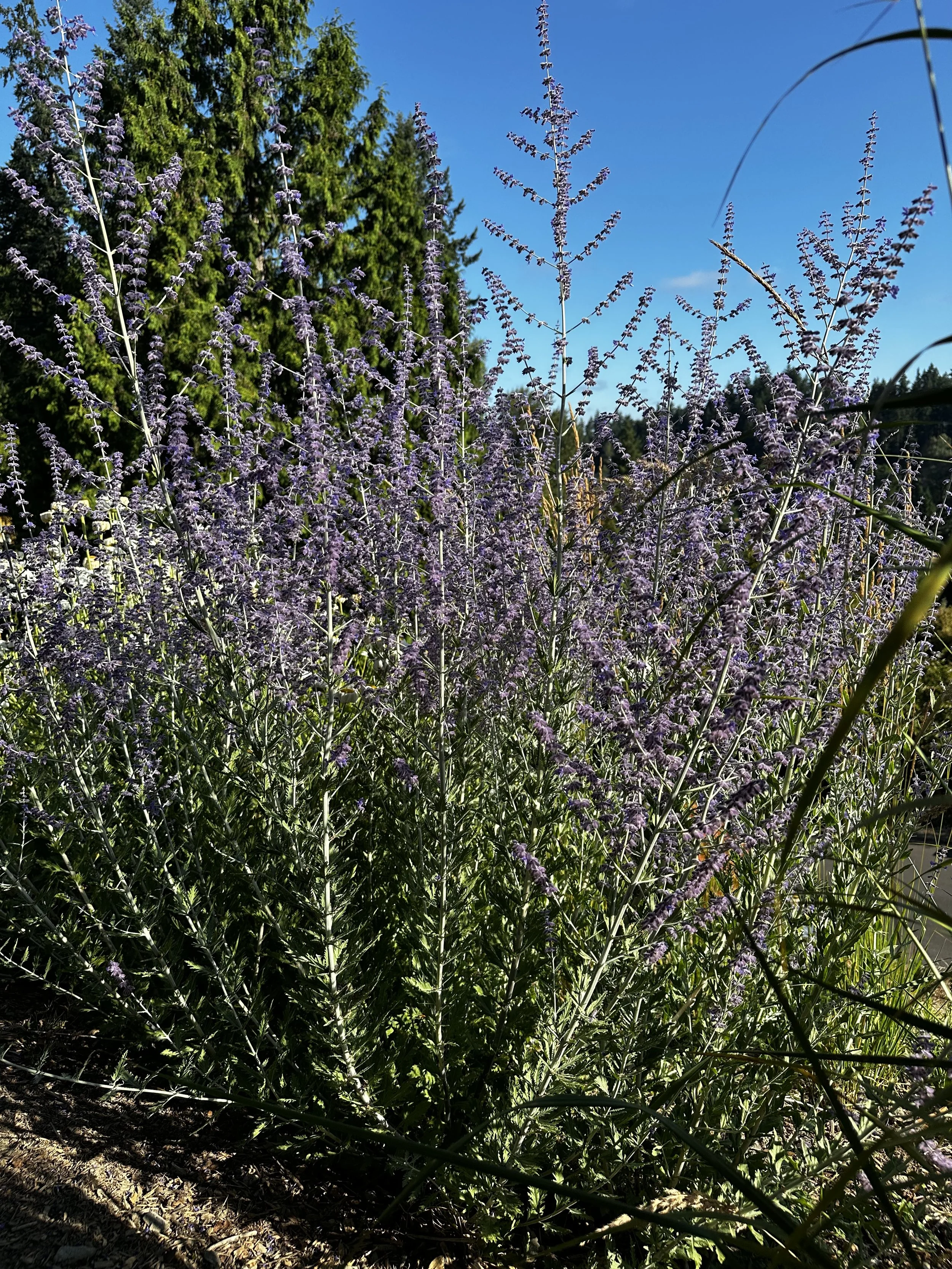
Airy spires of lavender-blue flowers with silvery foliage make for a glowing late-season display.
🟣 Verbena bonariensis (5 plants)
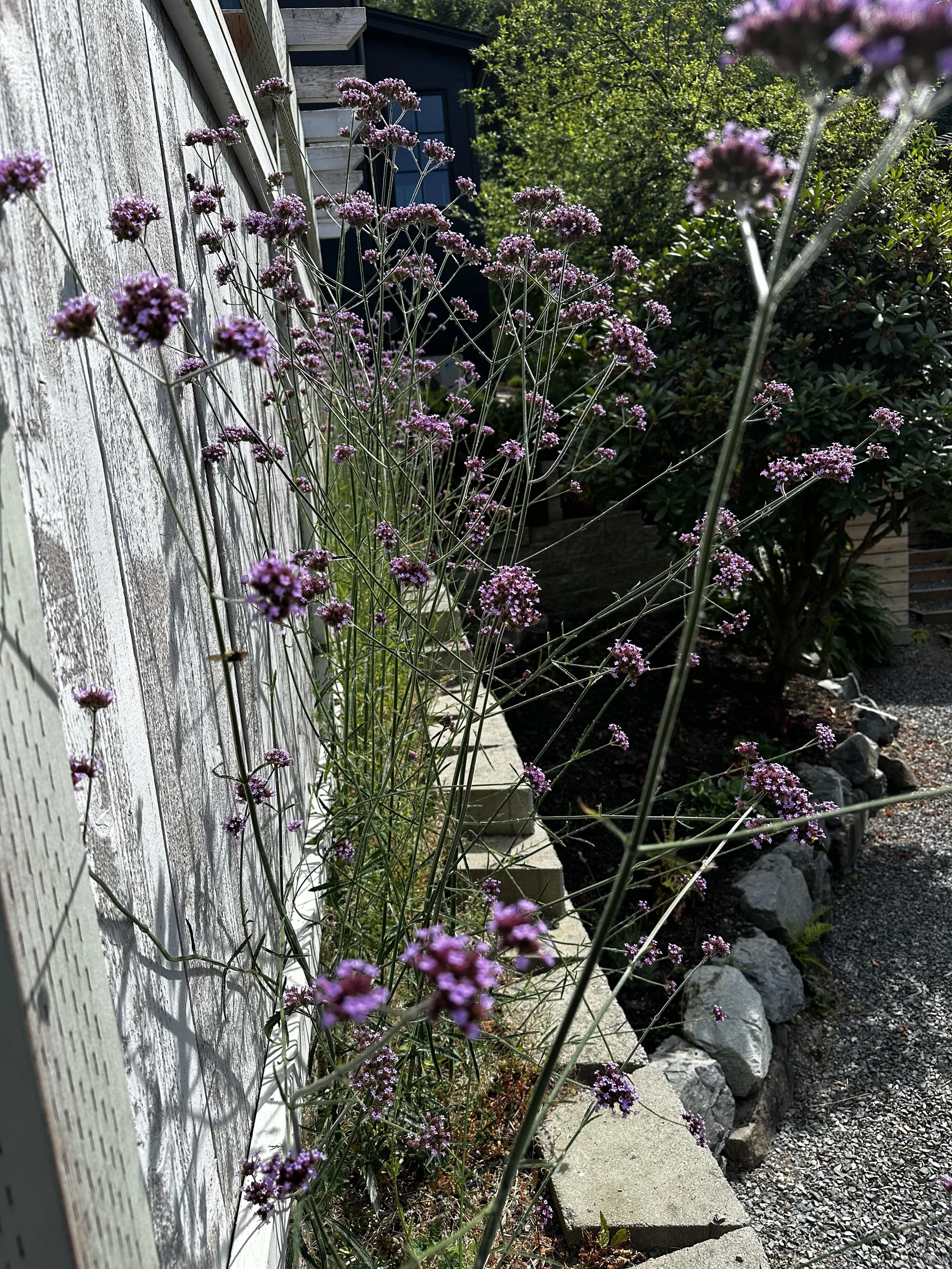
Tall, open stems with clusters of purple flowers bring a light, airy feeling and great pollinator appeal.
🍷 Sedum ‘Purple Emperor’ (5 plants)
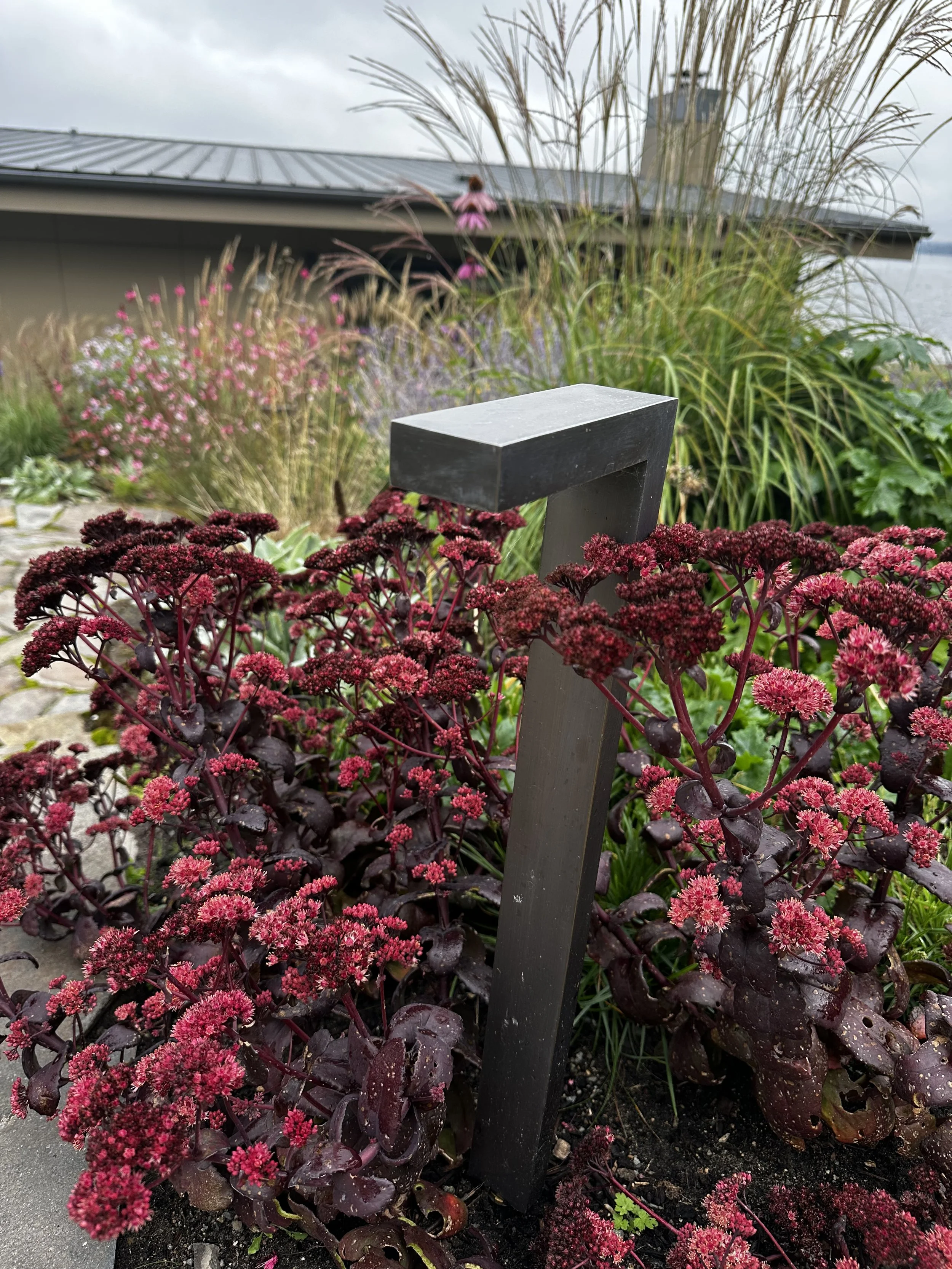
Rich burgundy foliage and late-season blooms bring depth and drama to cooler months.
🦋 Gaura ‘Whirling Butterflies’ (2 plants)
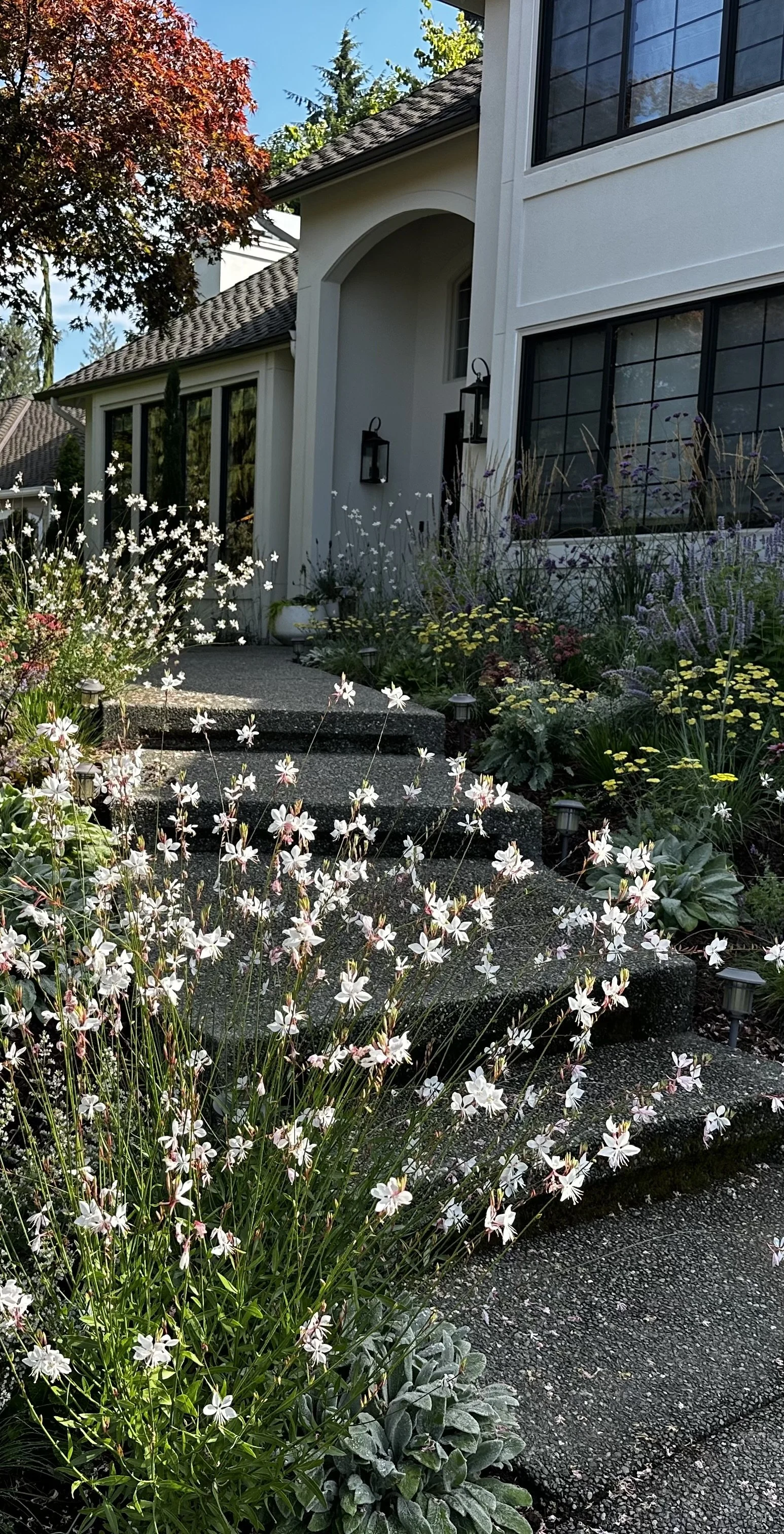
Delicate, floating flowers dance in the breeze all season, giving a meadow-like feel to your planting. (Remember light pruning encourages rebloom!)
🤍 Anemone ‘Honorine Jobert’ (3 plants)
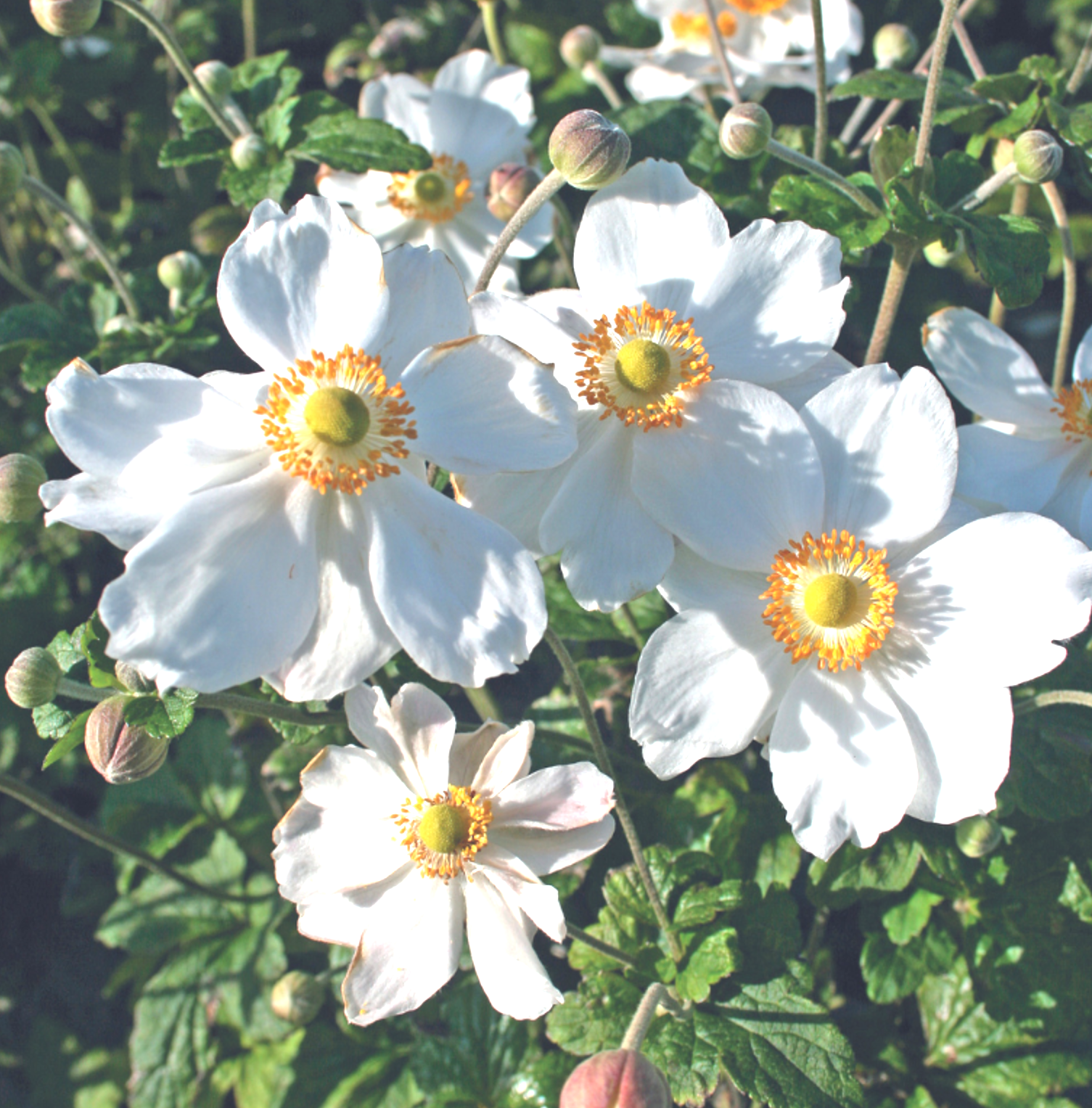
Classic white late-season blooms that brighten borders and transition beautifully into fall.
🌱 Why This Mix Works
This package is based on my signature plant matrix — carefully balancing structure, bloom progression, and year-round visual interest. It ensures that:
You have visual impact in every season.
Grasses provide backbone and winter presence.
Perennials bloom from spring through fall without crowding each other.
All plants are drought tolerant, low maintenance, and suited to Pacific Northwest gardens.
The dense plant spacing (about 2 feet apart) promotes fullness and a lush garden look from the start, while plants are establishing. After two seasons, divisions will even allow you to multiply your palette across other beds.
How to Arrange Your Starter Plant Package
Simple directions for homeowners, spouses, or contractors
This plant package is designed to be mixed, layered, and repeated so the garden fills in naturally, looks intentional, and stays interesting from spring through fall.
Do not plant in rows.
Do not separate plants by bloom season.
Instead, plant by height and repeat plants throughout the bed.
Step 1: Divide the Garden into 3 Planting Zones
Think of the garden from back to front:
Back Border = tallest plants
Middle Border = medium-height plants
Front Border = lowest plants
🌿 Back Border (Tall Structure & Movement)
Place these along fences, property lines, or the back of the bed.
These plants create height, movement, and structure.
Plants for the Back Border
Grasses
Karl Foerster (10)
Miscanthus sinensis ‘Adagio’ (5)
Stipa gigantea (5)
Tall Perennials
Perovskia ‘Little Spire’ / Russian Sage (5)
Verbena bonariensis (5)
Anemone ‘Honorine Jobert’ (3)
How to Plant
Plant in groups of 3–5
Space 2–3 feet apart
Stagger slightly — no straight lines
🌼 Middle Border (Main Color & Seasonal Interest)
This is the heart of the garden.
Most flowers go here, mixed in with medium-height grasses.
Plants for the Middle Border
Grasses
Deschampsia cespitosa (10)
Spring & Summer Perennials
Nepeta ‘Walker’s Low’ – purple (5)
Salvia ‘Caradonna’ – dark purple (5)
Achillea ‘Terracotta’ (5)
Coreopsis ‘Zagreb’ – yellow (5)
Agastache ‘Blue Fortune’ – purple (5)
Geum ‘Totally Tangerine’ (5)
Sedum ‘Purple Emperor’ (5)
How to Plant
Mix grasses and flowers together
Plant in small clusters of 3–5
Repeat the same plants in multiple places
Space 18–24 inches apart
🌾 Front Border (Low Plants & Soft Edges)
These go along paths, lawns, sidewalks, or the front edge of the bed.
They soften edges and help the garden look finished.
Plants for the Front Border
Pennisetum ‘Little Bunny’ (10)
Big Ears Lamb’s Ear – silver (5)
Geranium x cantabrigiense ‘Karmina’ – pink (5)
Gaura ‘Whirling Butterflies’ (2)
How to Plant
Plant closer together for quicker fill-in
Let plants gently spill toward paths or lawn
Repeat the same few plants for a clean look
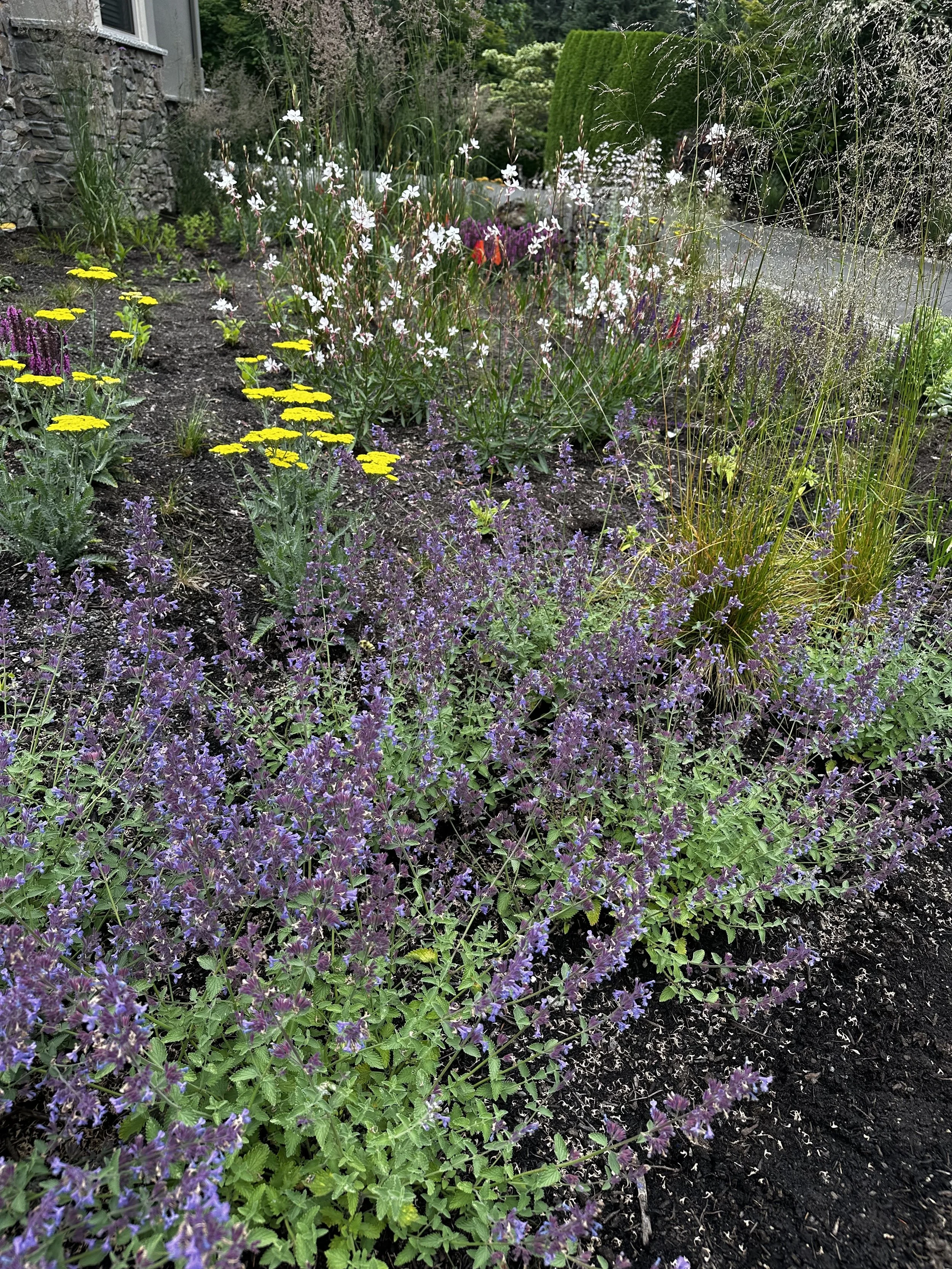
Step 2: How to Mix Everything Together
Use this simple method:
✔ Sprinkle & Repeat
Start by placing grasses evenly throughout the bed
Add flowering plants in small clusters
Repeat the same clusters in different areas
Rules to remember
Always repeat plants
Avoid single plants standing alone
No long rows of the same plant
This creates a natural, full look as plants mature.
Step 3: Spacing & Maintenance Notes
It’s okay if soil shows at first — plants will fill in
Water deeply during the first growing season
Cut everything back once a year in late winter or early spring
👉 Ready to bring your garden to life? Reserve your Starter Plant Package today and plant with confidence.