
The Rules Landscape Designers Follow And Why They Matter for Seattle Gardens Part 3: Designing for Time, Weather, and Reality
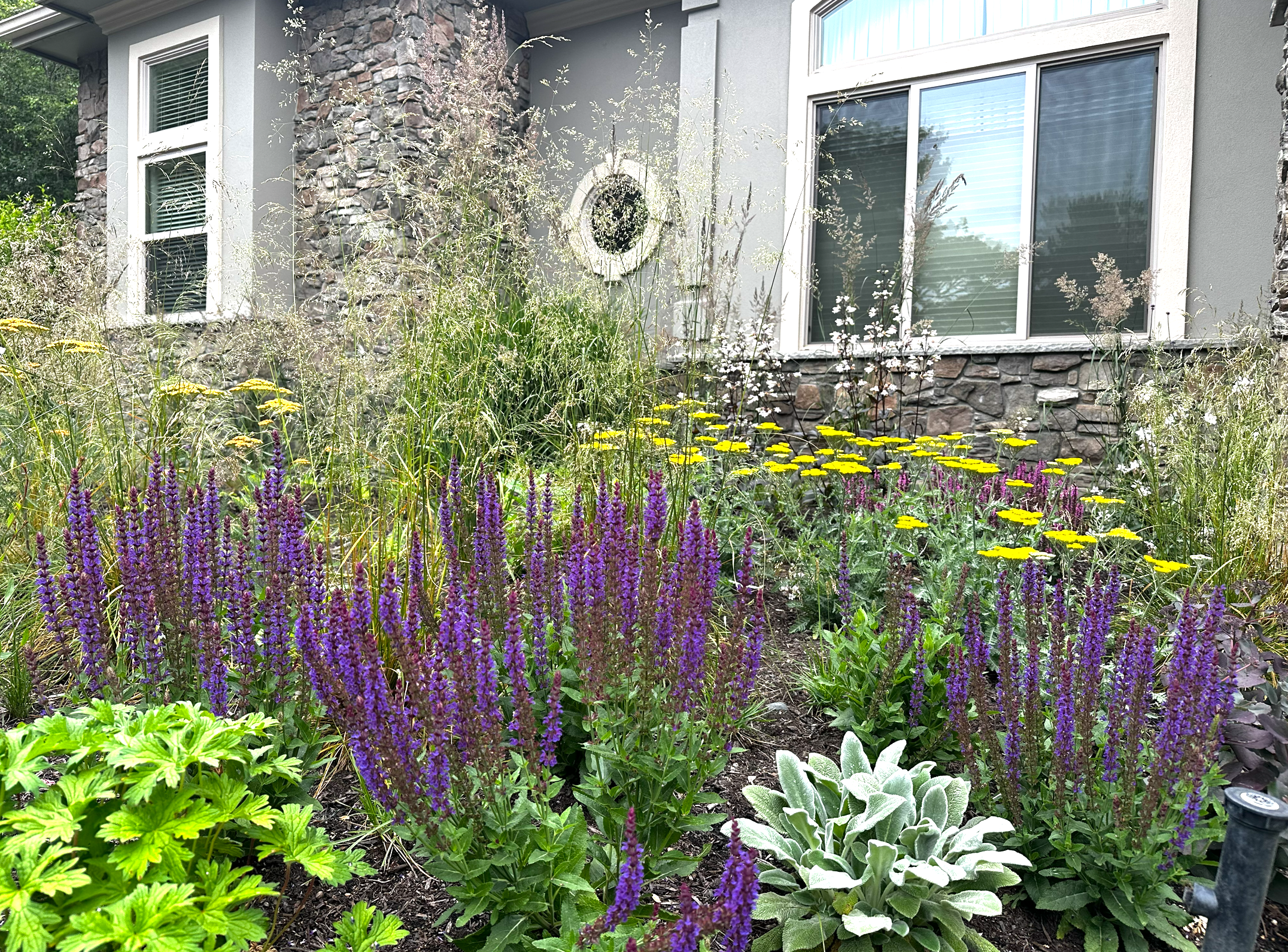
A garden that looks good on install day but struggles two winters later wasn’t designed for this region.
Longevity is the true measure of success.
11. Materials must tolerate moisture and time Seattle weather exposes weak materials quickly. Surfaces that trap water, shift, or stain become liabilities. Materials like concrete, steel, cedar, and gravel age predictably and improve with time.
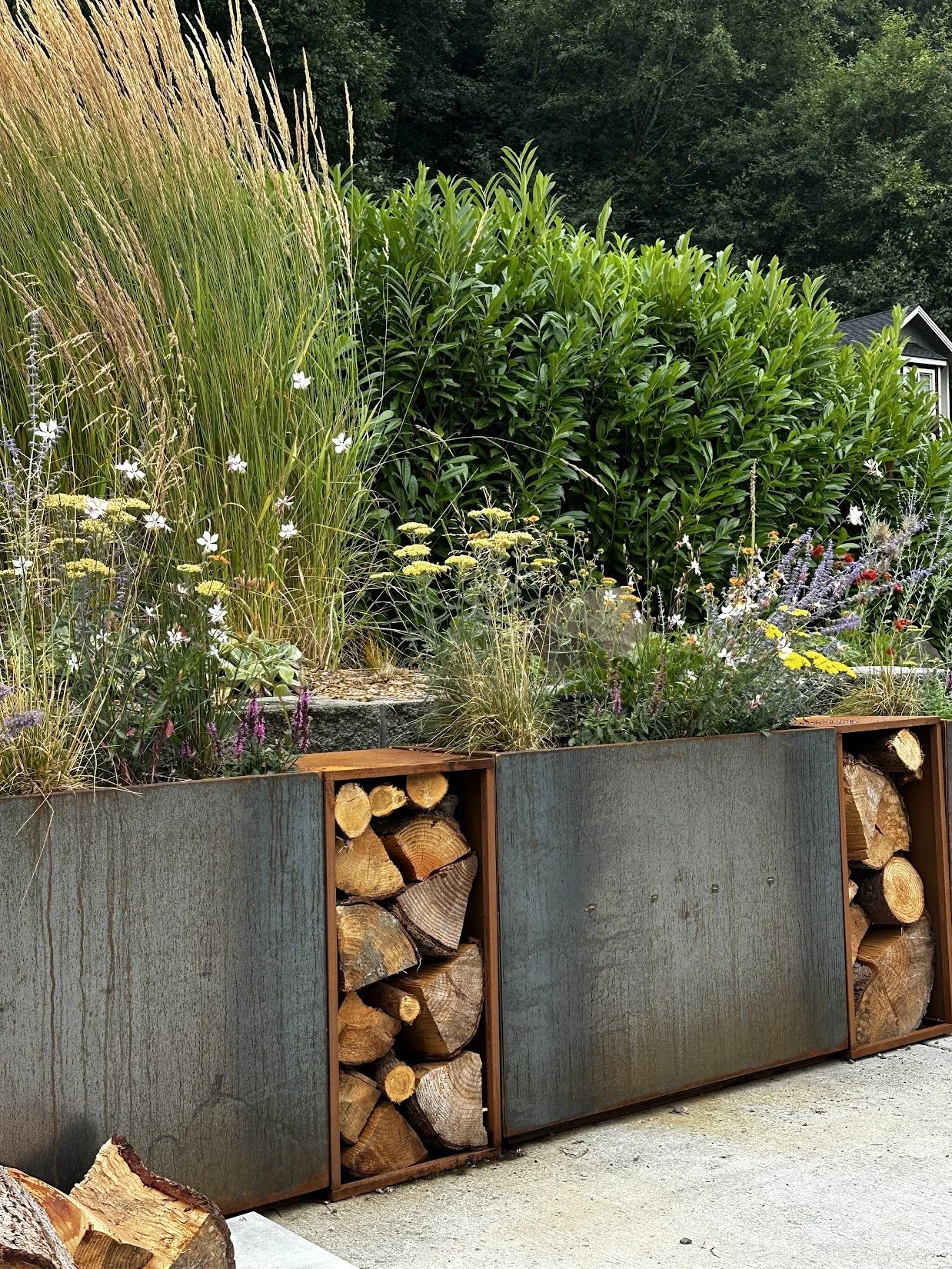
Choosing materials for performance — not just appearance — prevents costly replacements later.
12. Structure needs softness
Hardscape provides durability, but without planting to soften edges, spaces feel cold. Grasses and perennials bring movement, seasonal change, and warmth to otherwise rigid surfaces.
The balance between hard and soft is what makes modern gardens feel livable.
13. Trends fade; structure lasts
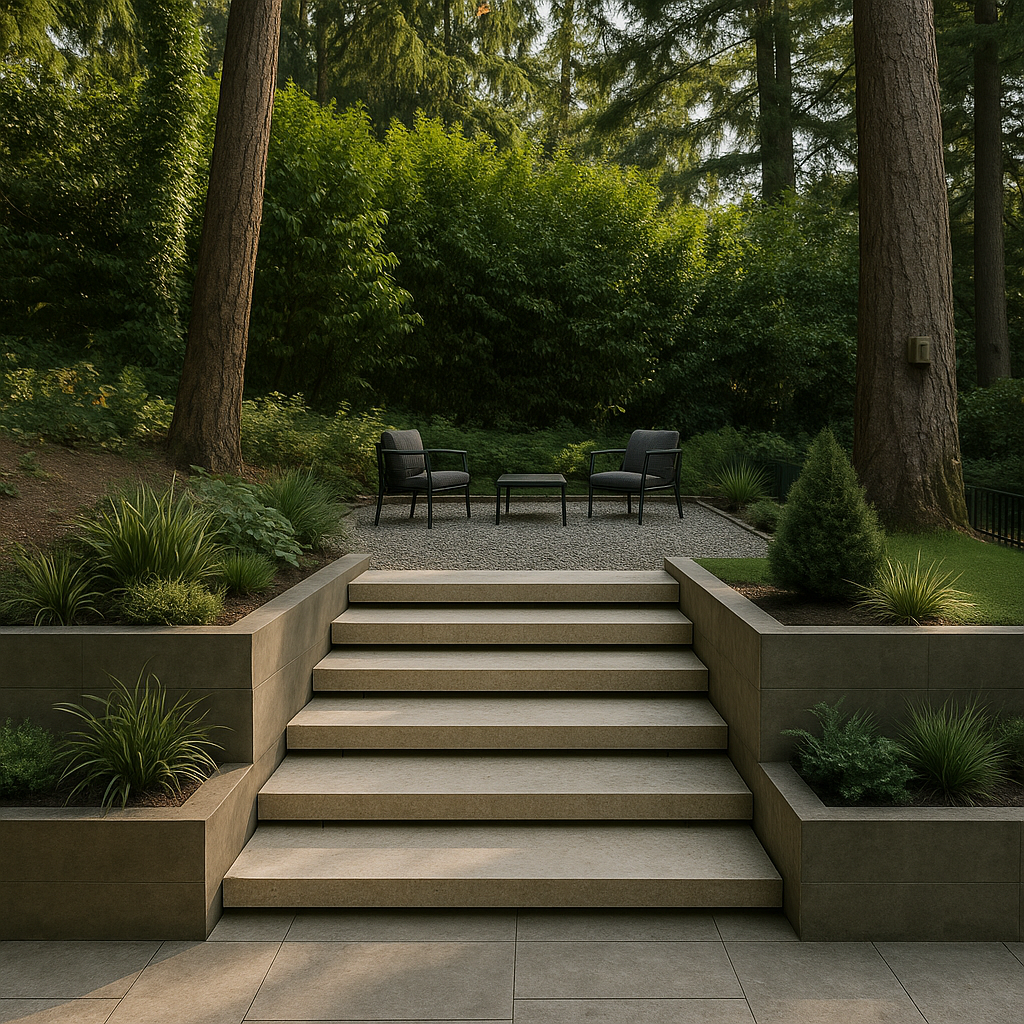
Bold trends often look dated within a few years. Gardens built on simple forms, restrained palettes, and thoughtful spacing remain relevant far longer.
A timeless garden doesn’t chase attention — it earns it slowly.
14. Trees are anchors, not fillers

Trees shape the entire garden. One well-placed tree can define scale, provide privacy, and anchor the design. Multiple poorly placed trees create crowding and future problems.
Tree placement should be intentional and sparing.
15. The real design goal is maturity
Plants are spaced for where they’re going, not where they start. Gardens designed this way improve every year instead of becoming overgrown or high-maintenance.
A successful Seattle garden feels better at year five than it did at year one.
The Result
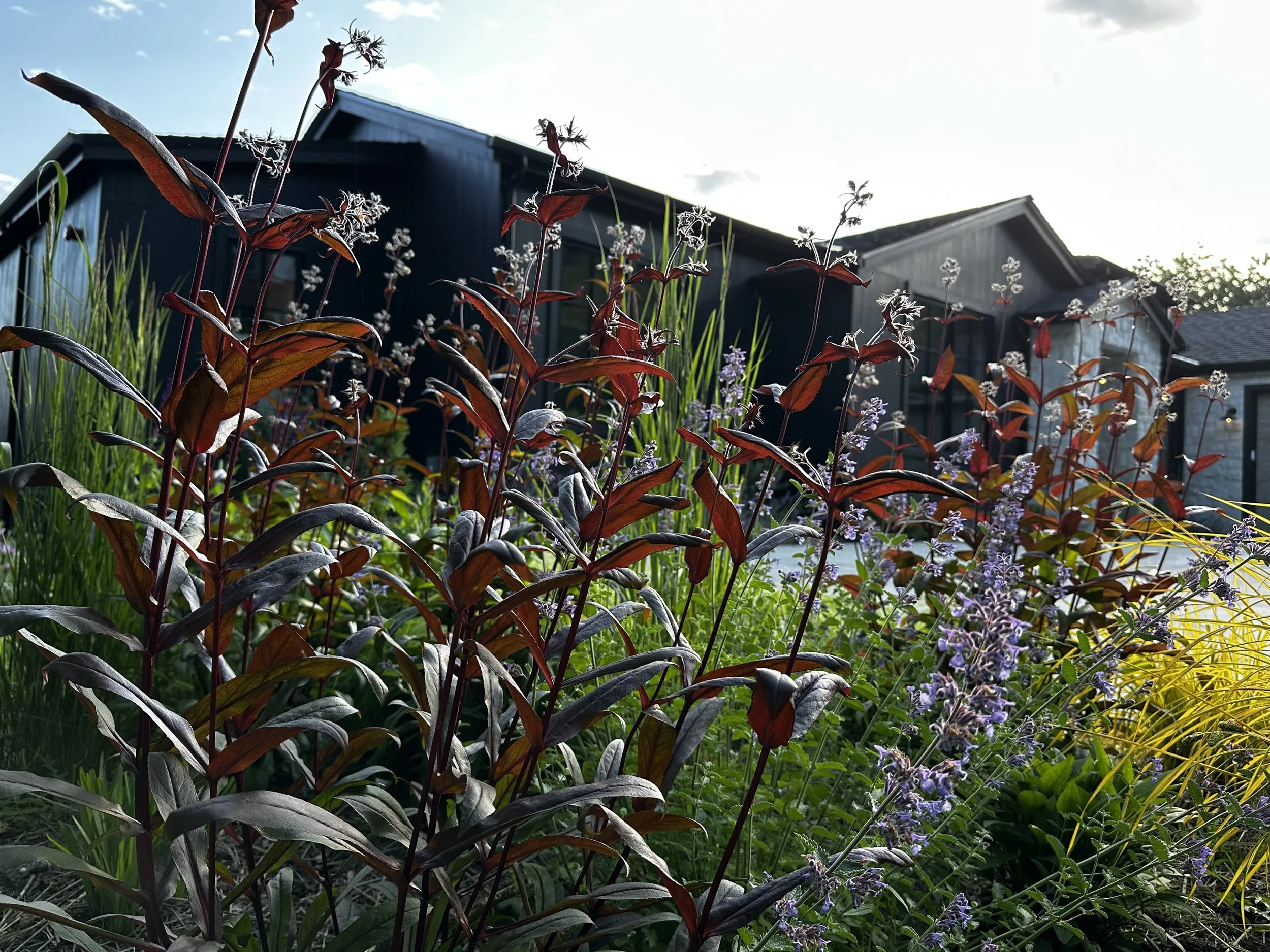
When these principles guide a project, Seattle gardens:
Work with the climate instead of fighting it
Feel calm and intentional year-round
Require less maintenance over time
Improve as they mature
This is what separates gardens that struggle from gardens that last.
