5 Ways to Create Privacy Before You Buy Arborvitae or Boxwood at Costco
I love Costco. Truly.
But when it comes to privacy plants in Seattle, it’s time for some tough love.
Just say no to Leyland cypress, arborvitae, and boxwoods.
Seattle doesn’t rain in the summer. Unless you want to spend July through September watering nonstop, there are much better, longer-lasting, and more beautiful ways to create privacy in your garden.
Here are five designer-approved alternatives that actually work in our climate.
1. Trellises with Vines
If you want privacy without sacrificing ground space, vines are one of the smartest solutions.
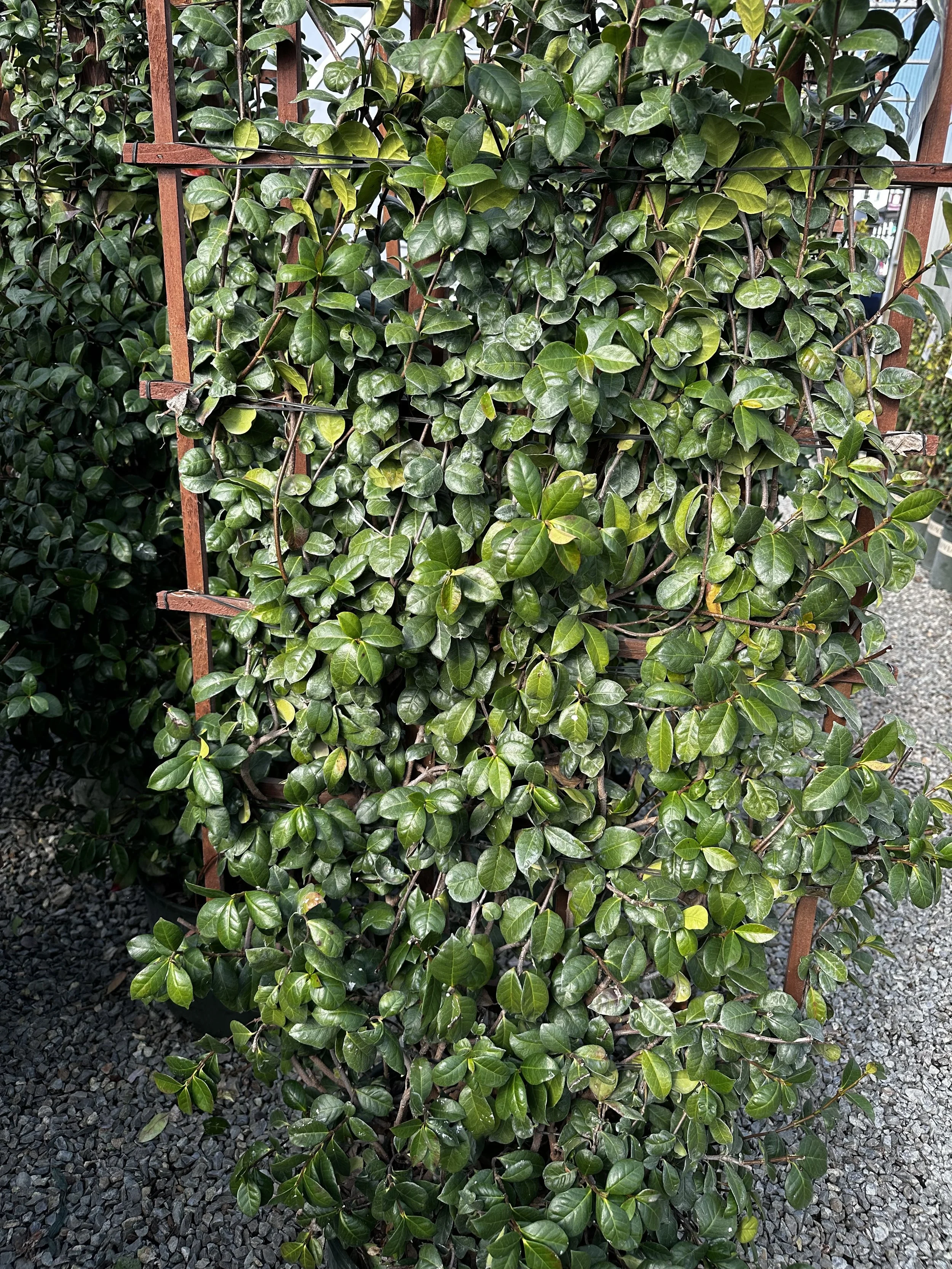
Best vines for Seattle privacy:
Evergreen hydrangea (Hydrangea seemannii)
Grows 15–30 feet tall. Evergreen with glossy leaves and excellent coverage. Thrives in shade or sun once established.Star jasmine (Trachelospermum jasminoides)
Grows 10–20 feet tall. Evergreen, fragrant, and drought tolerant after establishment.Honeysuckle (Lonicera species)
Grows 15–25 feet tall. Fast growing and softens fences and structures beautifully.
Why vines work for privacy:
They grow vertically, cover fences and trellises quickly, and provide screening without taking up valuable yard space. Perfect for side yards, patios, and property lines.
2. Choose Real Hedges (Not Boxwood)
Boxwood struggles in our dry summers and often looks tired without constant care. These hedge options are far better suited to Seattle gardens.
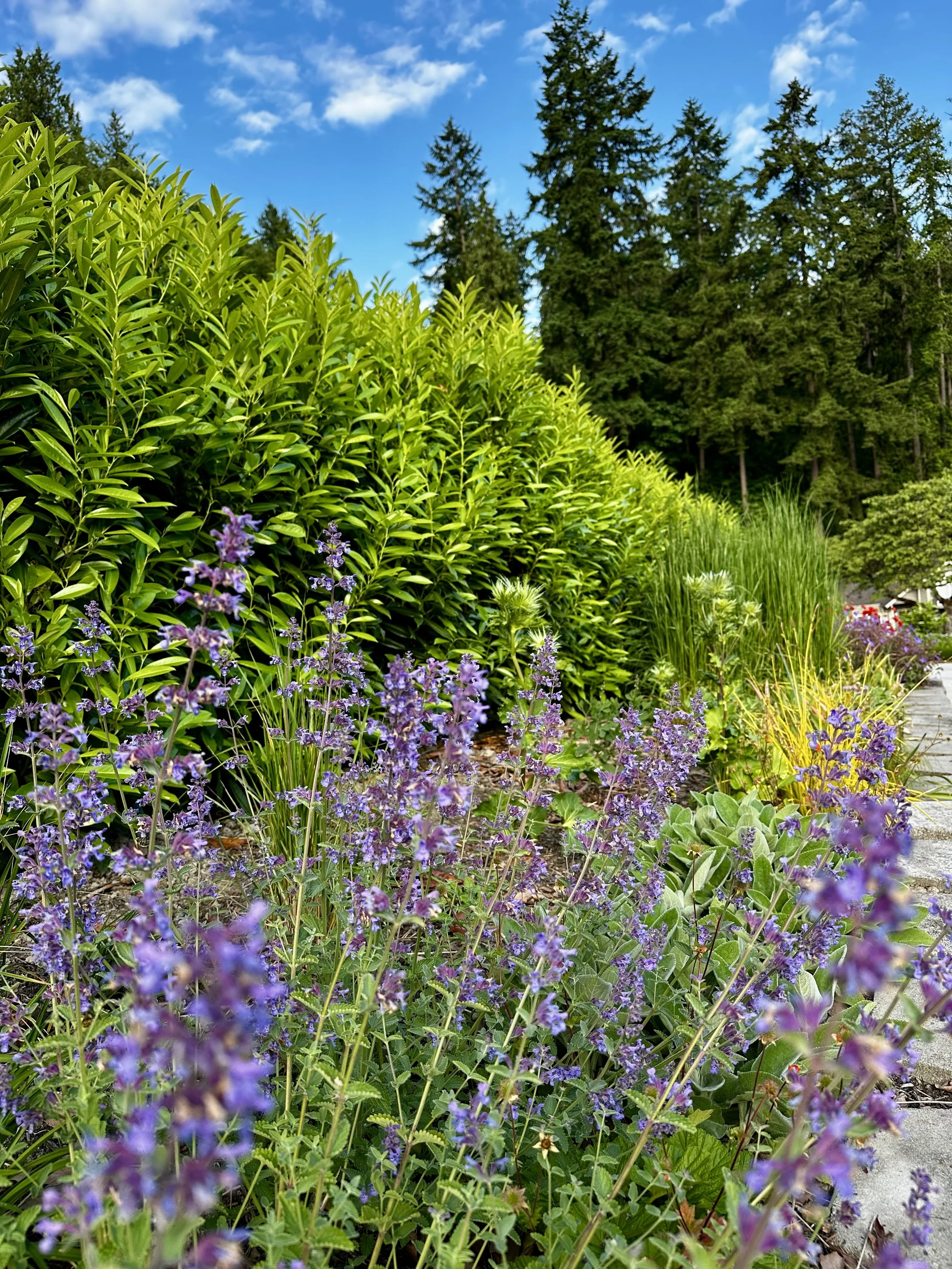
Better hedge choices:
Yew (Taxus species)
Grows 8–20 feet tall. Deep-rooted, shade tolerant, and very drought tolerant once established.Skip laurel (Prunus laurocerasus ‘Schipkaensis’)
Grows 10–15 feet tall. Narrow, evergreen, and excellent for tight spaces. Requires regular trimming to stay neat.Holly (Ilex species)
Grows 8–15 feet tall. Tough, evergreen, and reliable for screening.Hornbeam or beech hedges
Grow 12–20 feet tall. Dense branching creates excellent privacy. They often hold dried leaves through winter for added screening.
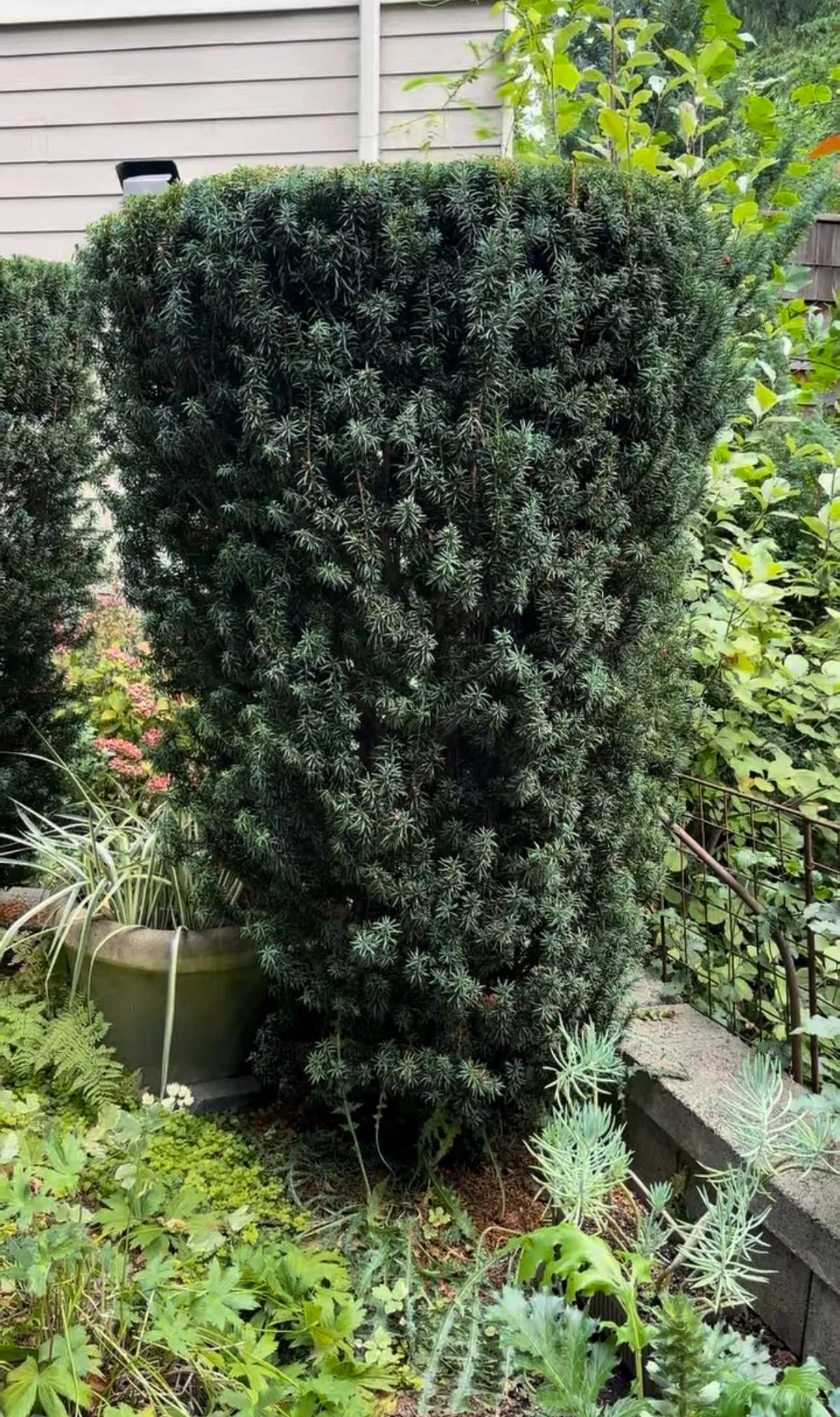
Why these hedges work for privacy:
They create a true living wall without excessive water use or constant replacement.
3. Use Trees for Natural Screening
Trees provide the most natural and long-lasting privacy when chosen correctly.
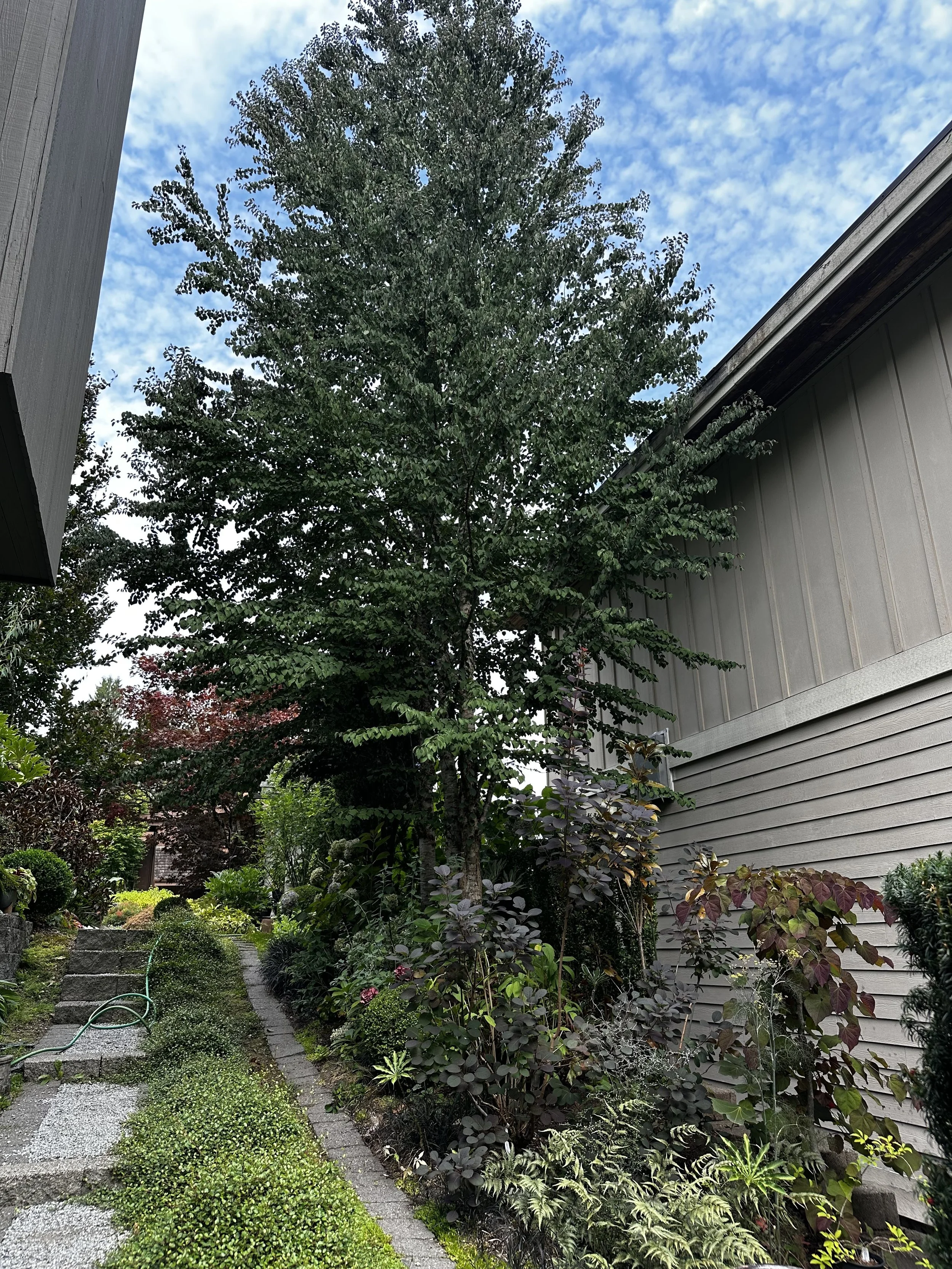
Great low-maintenance privacy trees:
Hornbeam
Grows 25–40 feet tall. Upright and tidy with excellent screening at windows and property edges.Beech
Grows 30–50 feet tall. Dense canopy and beautiful structure year-round.Serviceberry
Grows 15–25 feet tall. Offers lighter privacy with multi-season interest.Parrotia persica ‘Vanessa’
Grows 20–30 feet tall. Narrow form, drought tolerant, and stunning fall color.Ornamental pear (Pyrus species)
Grows 30–40 feet tall. Upright growth makes it ideal for avenues and screening.Italian cypress
Grows 30–40 feet tall. Tall, narrow, dramatic, and requires very little water once established.
Why trees work for privacy:
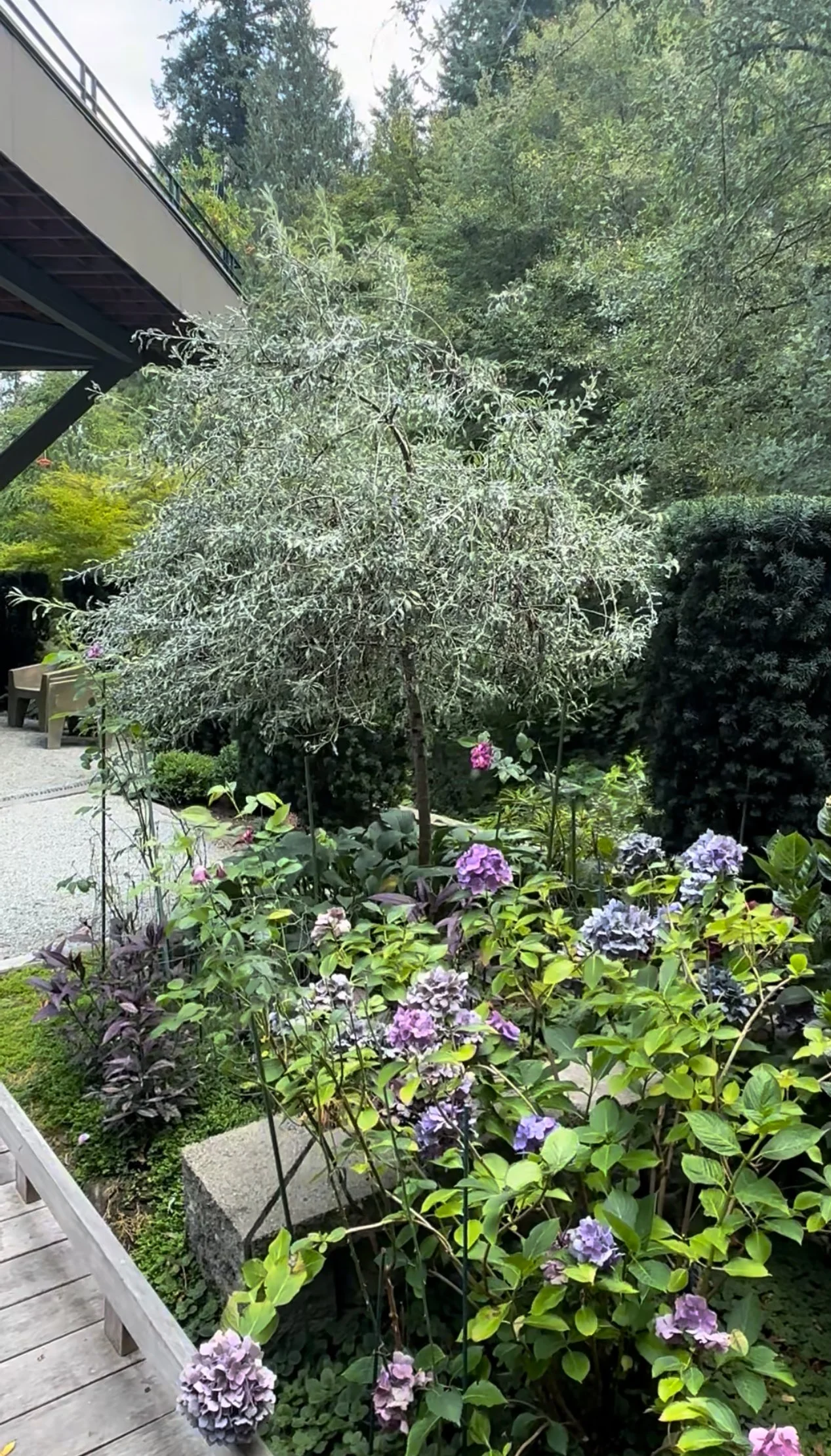
They block views naturally, create depth, and feel far more peaceful than a wall of shrubs.
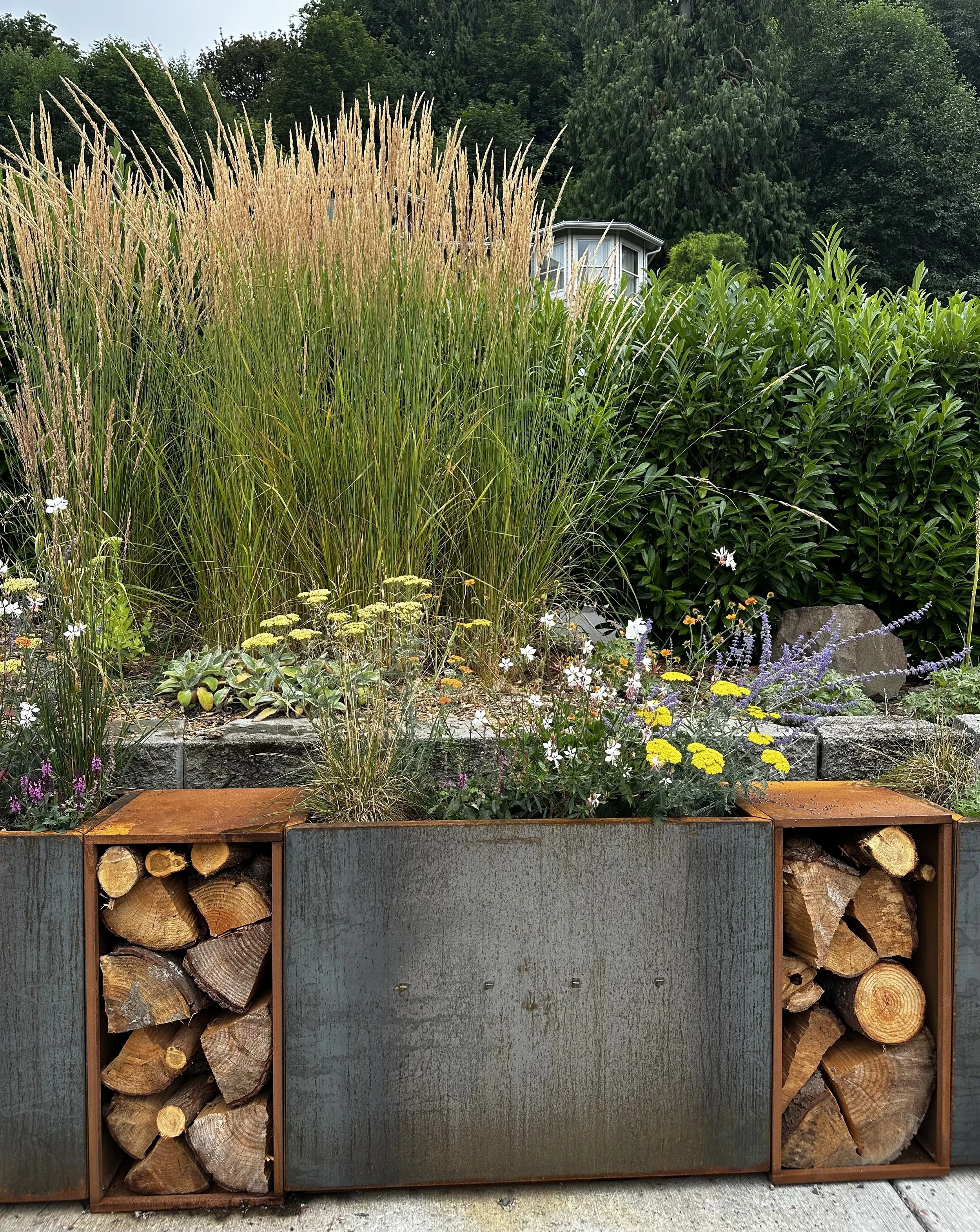
4. Tall Planters (Bigger Is Always Better)
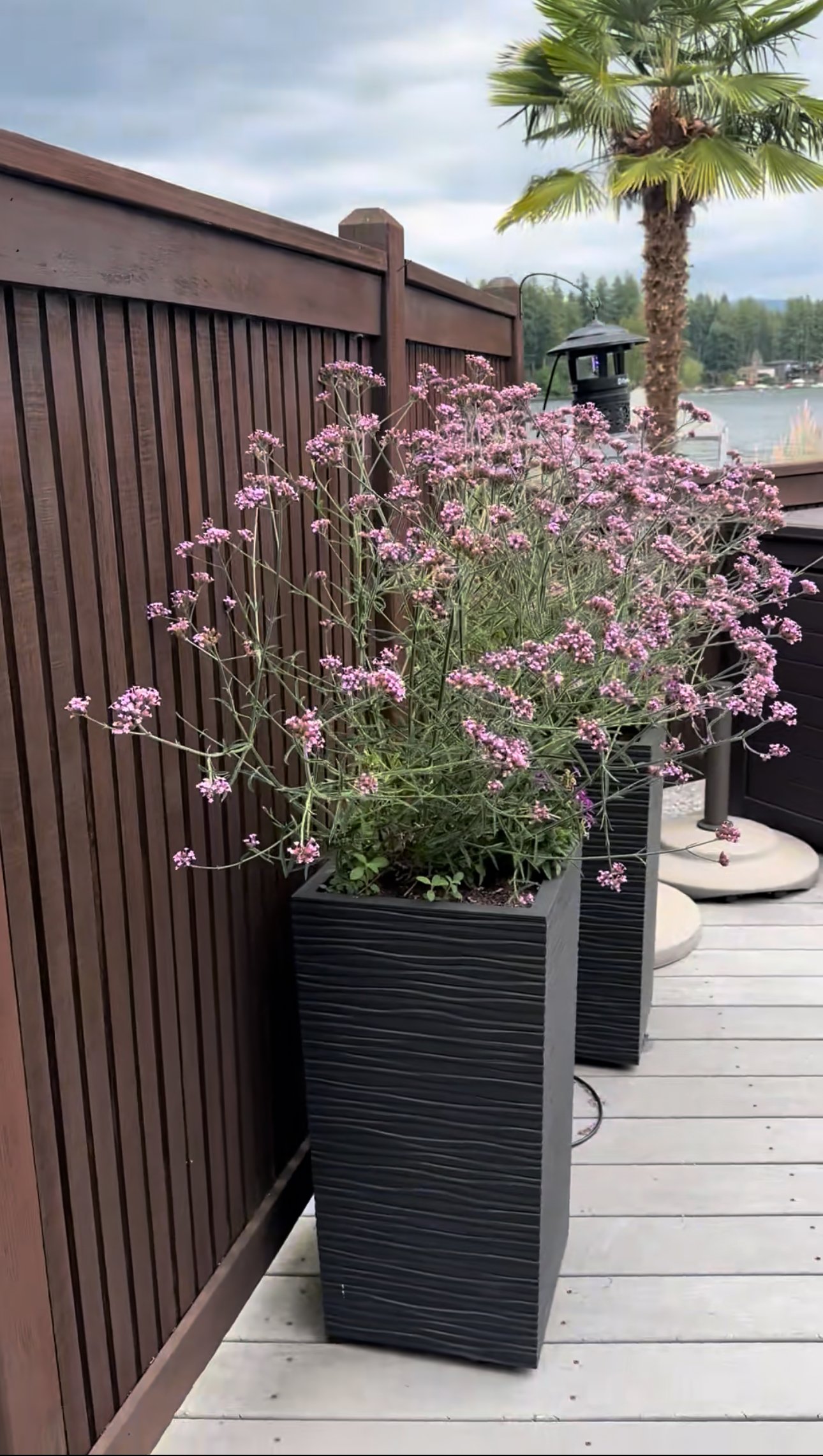
One of the most common mistakes I see is choosing planters that are too small.
Planter guidelines for privacy:
Choose planters at least 30 inches tall
Rectangular steel or metal planters work best
Don’t be afraid to line up multiple planters to create a screen
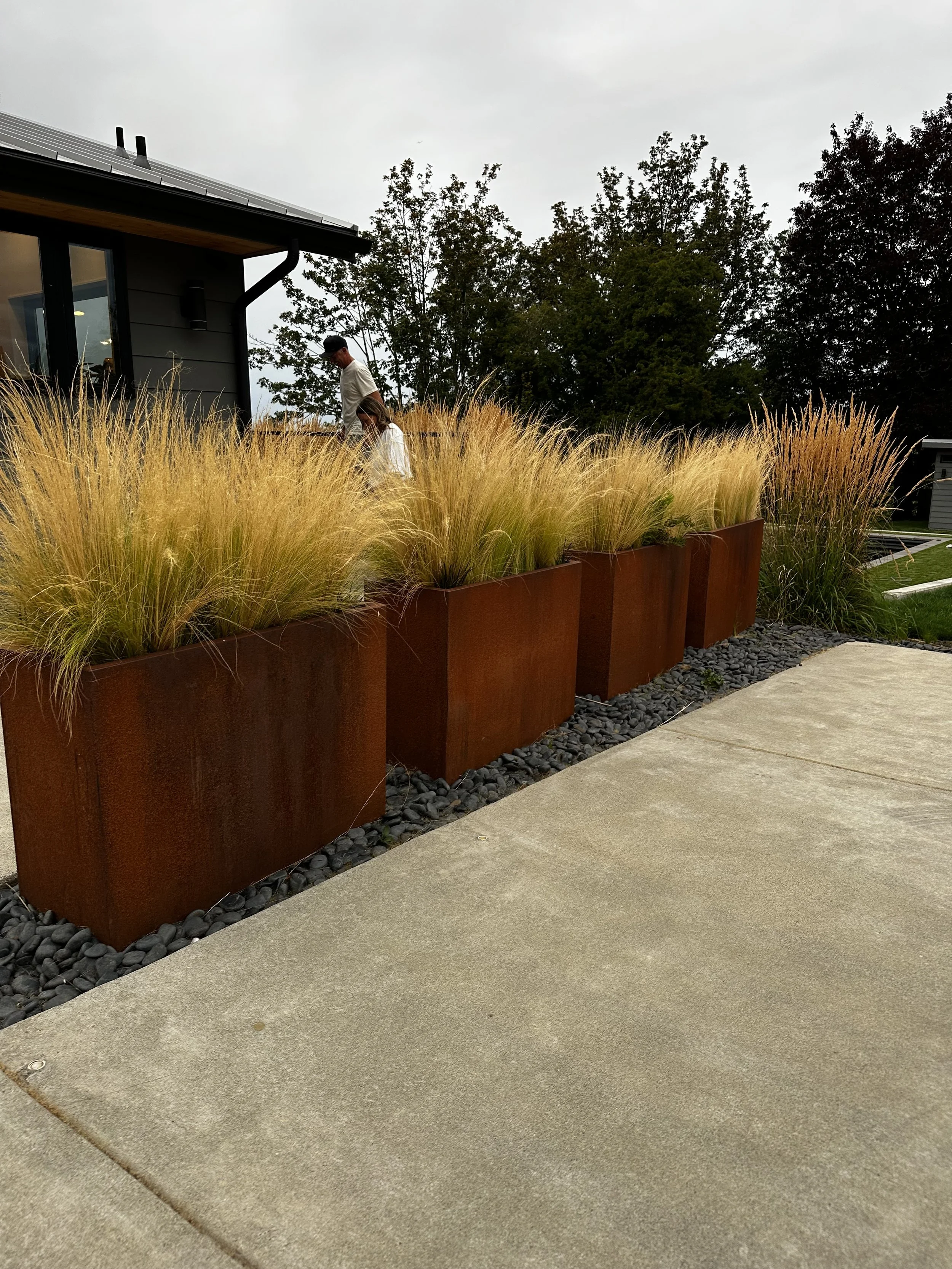
What to plant in tall planters:
Vines with trellises
Clumping bamboo (contained and controlled)
Mixed evergreen shrubs for layered height
Why tall planters work for privacy:
They add instant height, require no digging, and are perfect for patios, decks, and urban spaces.
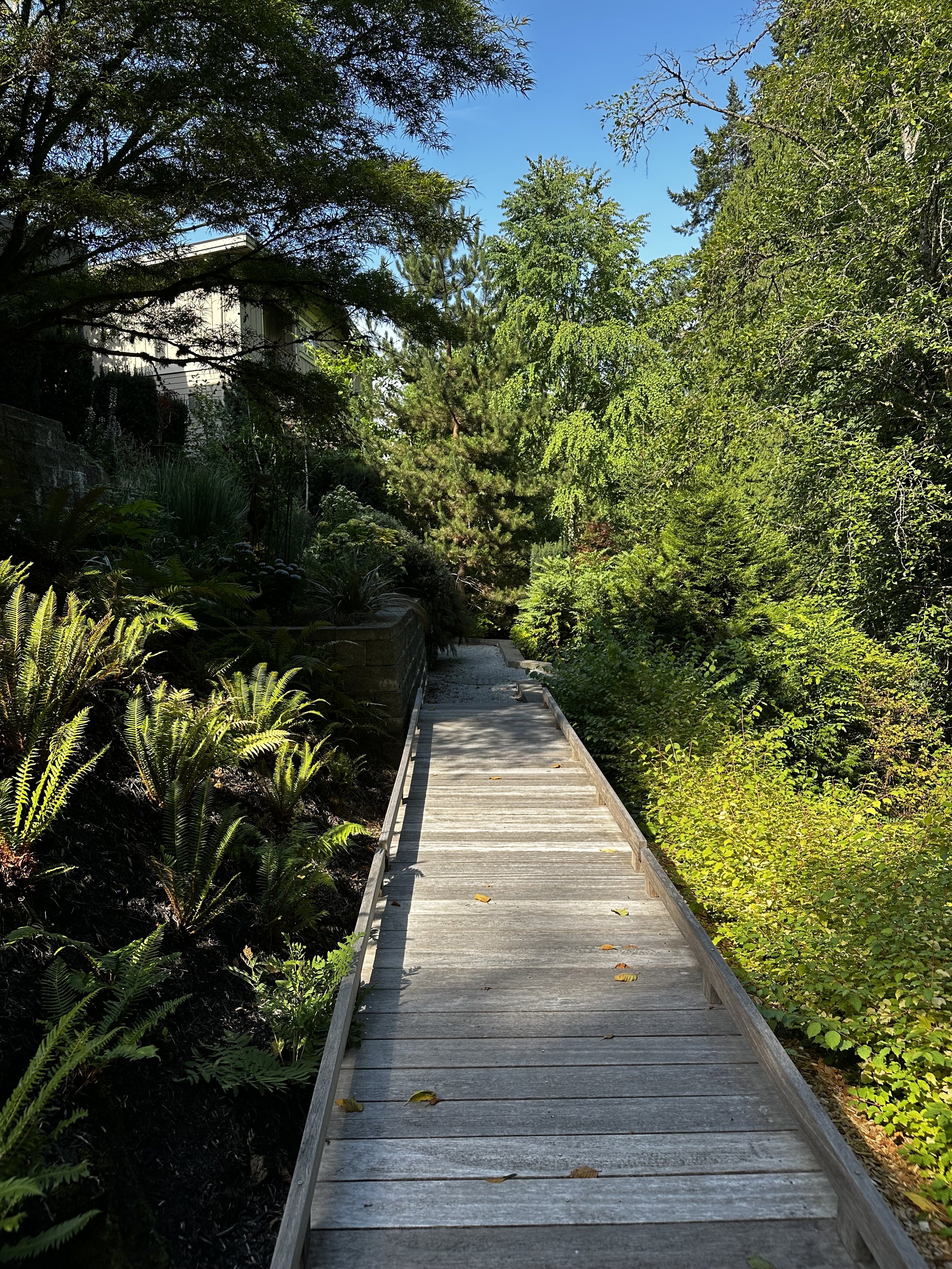
5. Layer Everything
The best privacy gardens don’t rely on just one solution.
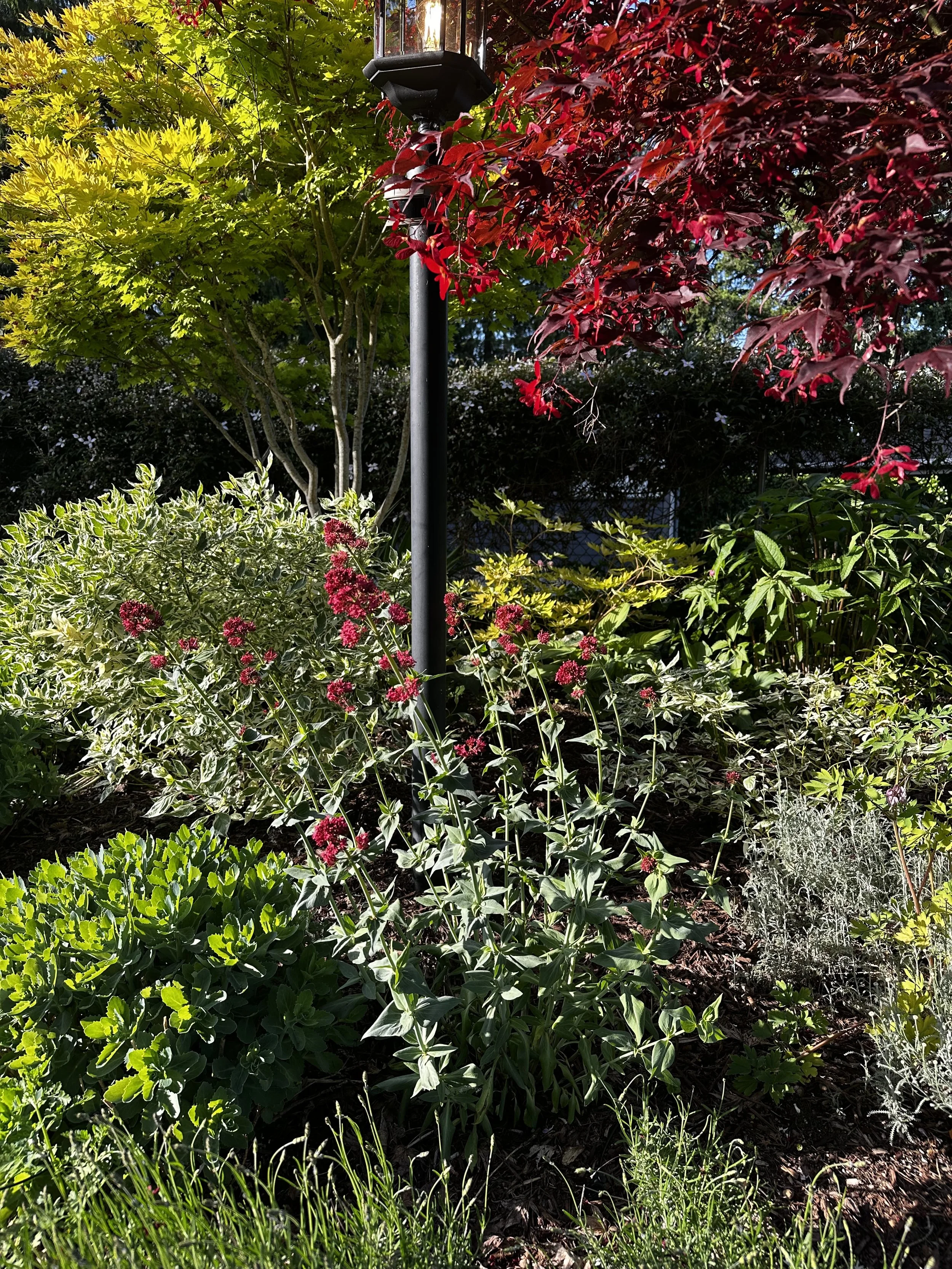
A strong privacy layout includes:
A hedge as the backbone
Trees placed in front or behind the hedge
Tall planters at human eye level
Trellises or cattle fencing woven with vines
Why layering works for privacy:
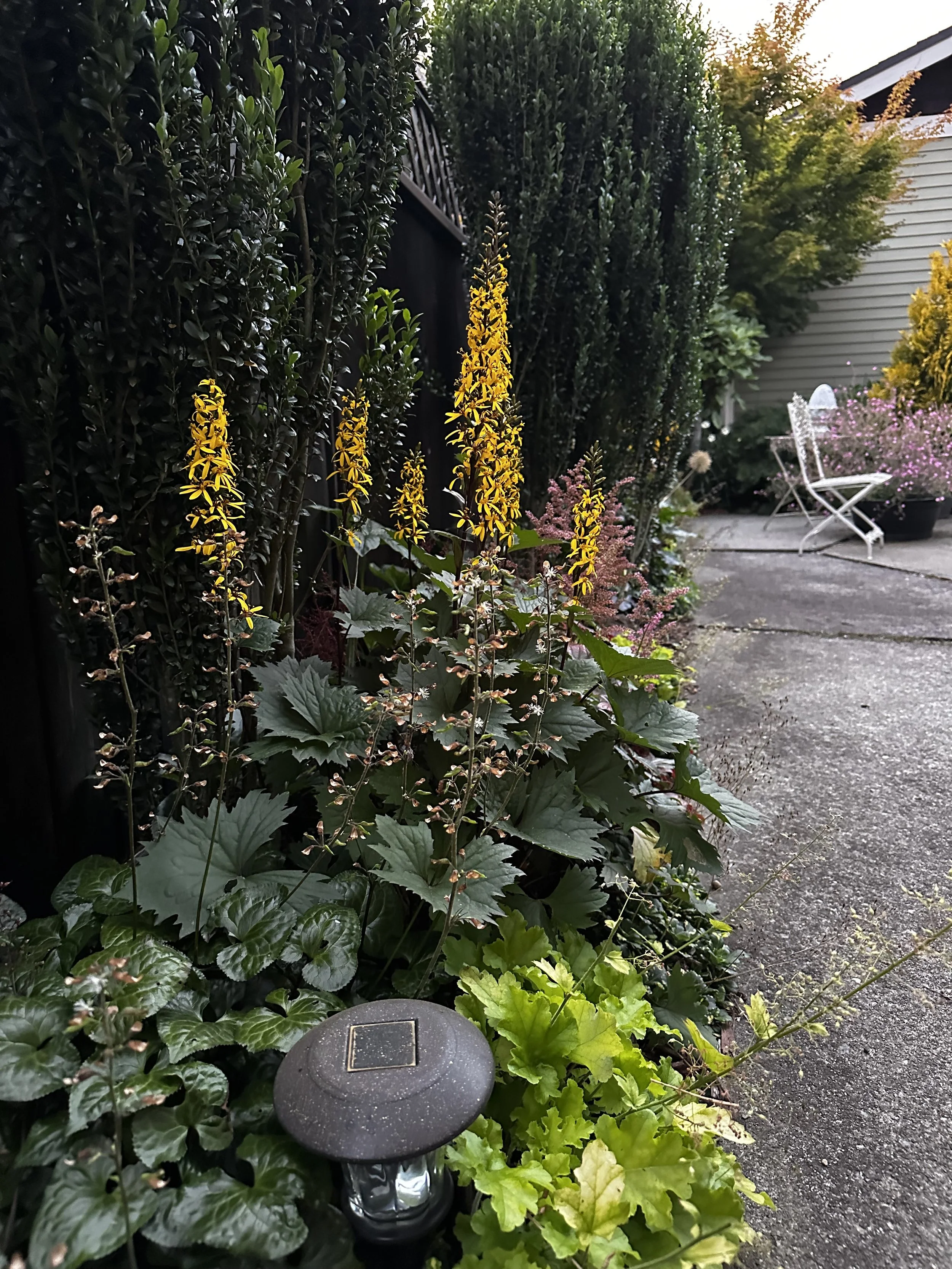
Layers block sightlines from multiple angles and create a garden that feels intentional, rich, and designed.
Final Thoughts
Privacy is not about buying a cart full of shrubs and hoping for the best.
It’s about building a system that works with Seattle’s climate.
When you choose deep-rooted plants, drought-tolerant trees, vertical elements, and layered planting, you get privacy that lasts—and a garden that actually thrives.
If privacy matters to you, do it once and do it right.