
It’s Officially Cut-Back Season
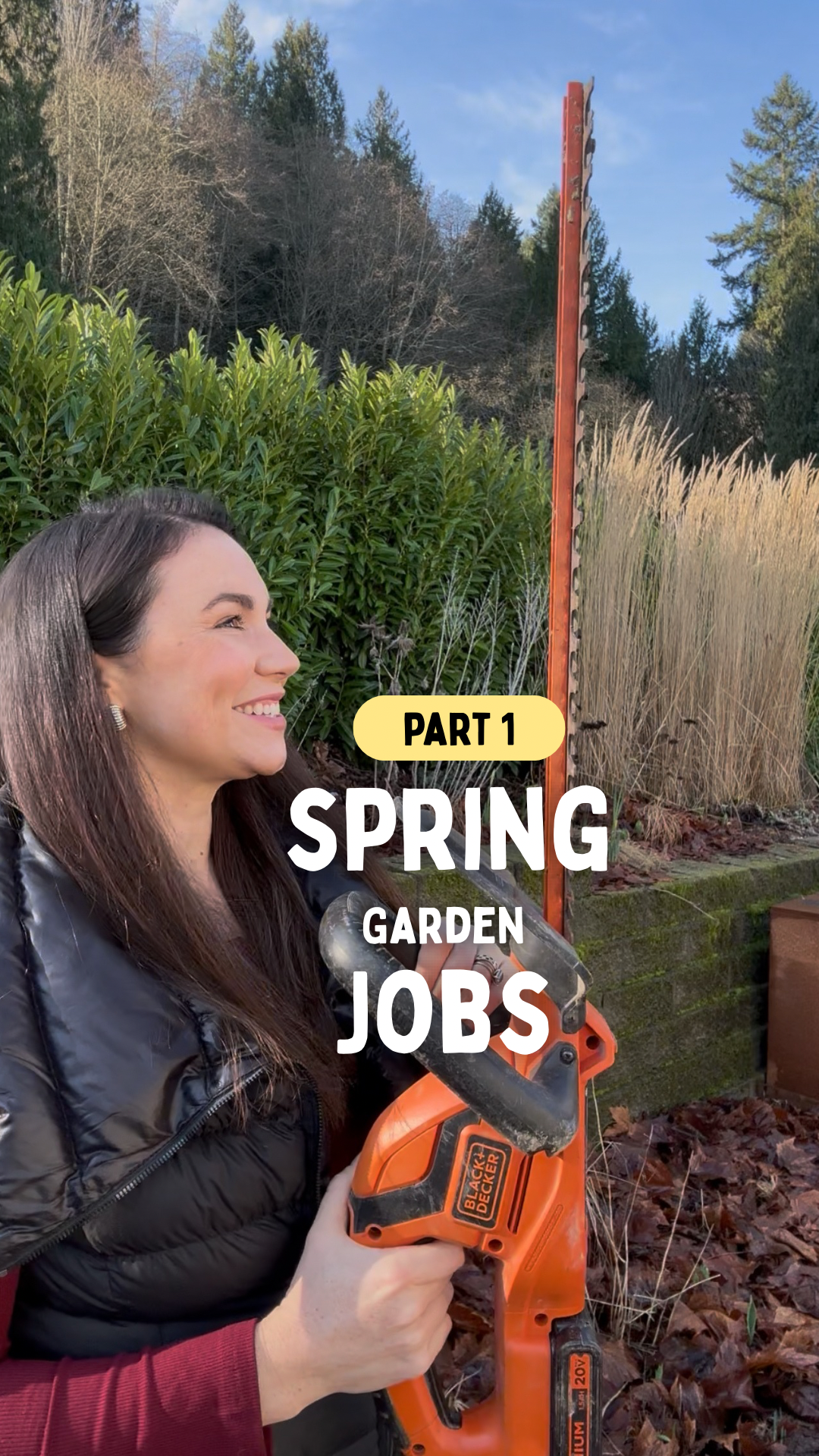
February is when gardeners separate themselves from the “I’ll deal with it later” crowd.
It’s cut-back season.
And I’ll be honest — I like to wait until the very, very last minute to cut back my grasses and perennials. I don’t want my garden to look bare for even a second. Those tawny seed heads and grasses still have structure. They still have presence. And in our gray Pacific Northwest winters, we need all the texture we can get.
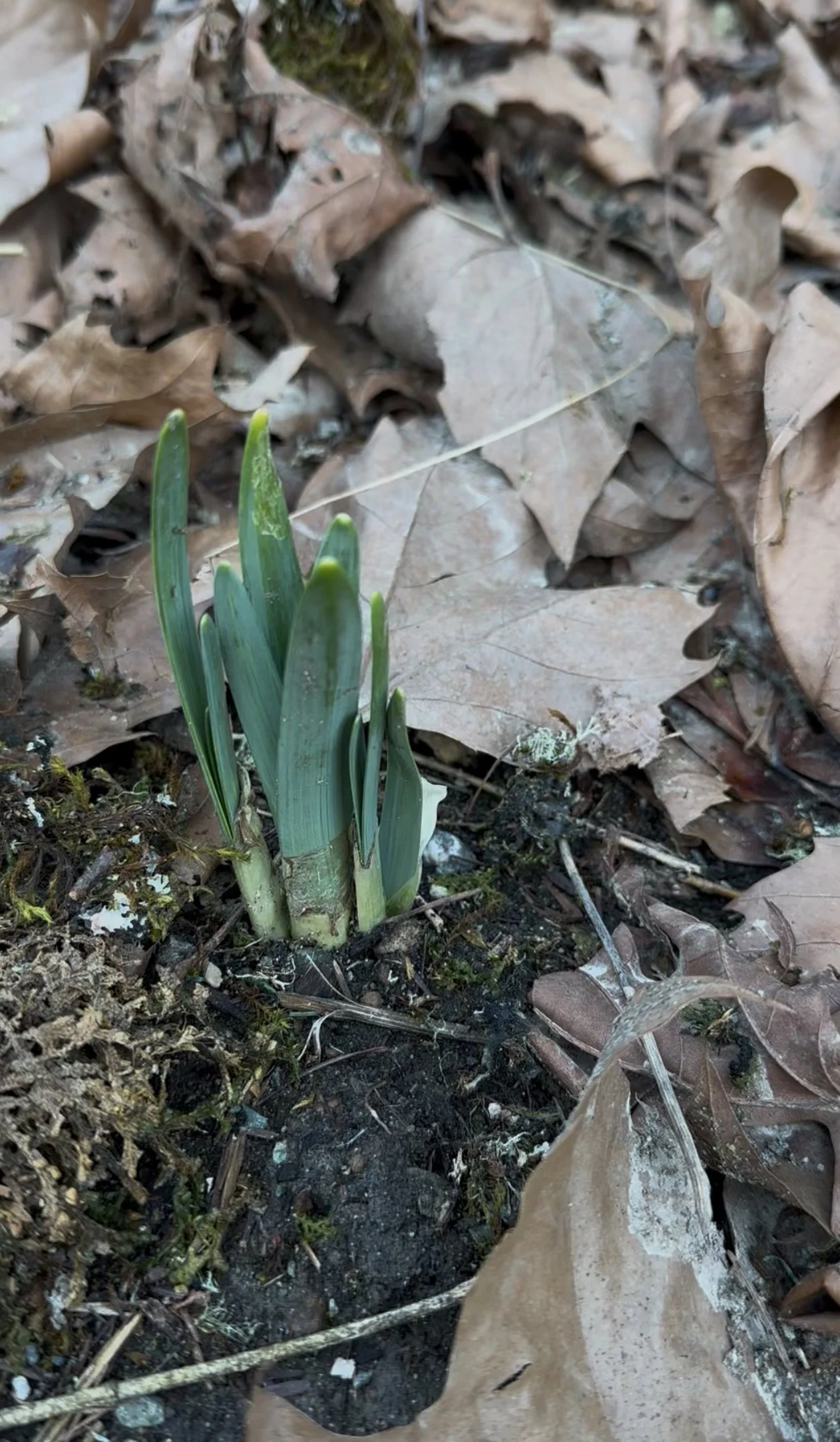
But once I start to see bulbs like daffodils and tulips pushing up?
It’s go time.
If You’re Like Me (Slow and Steady Method)
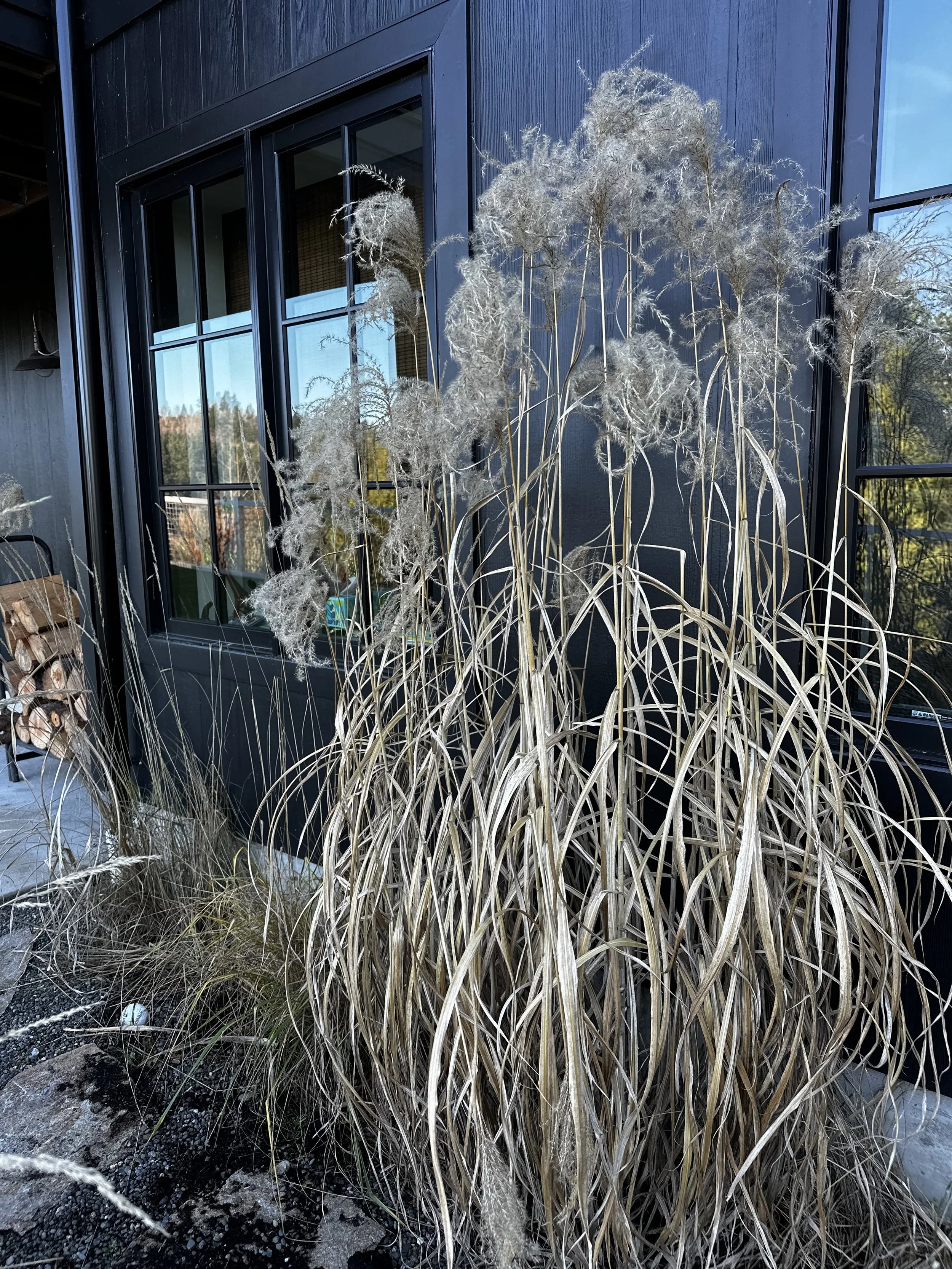
If you wait until bulbs are emerging, that means you need to cut things back carefully — by hand.
I don’t use hedge trimmers for this method because I don’t want to accidentally slice through spring bulbs waking up underground.
Here’s exactly what I do:
When I have time, I tackle one bed at a time.
I turn on a podcast.
I clip each perennial or grass all the way down at the base.
Then I cut the debris into smaller pieces.
I drop those pieces right around the plant crown as mulch.
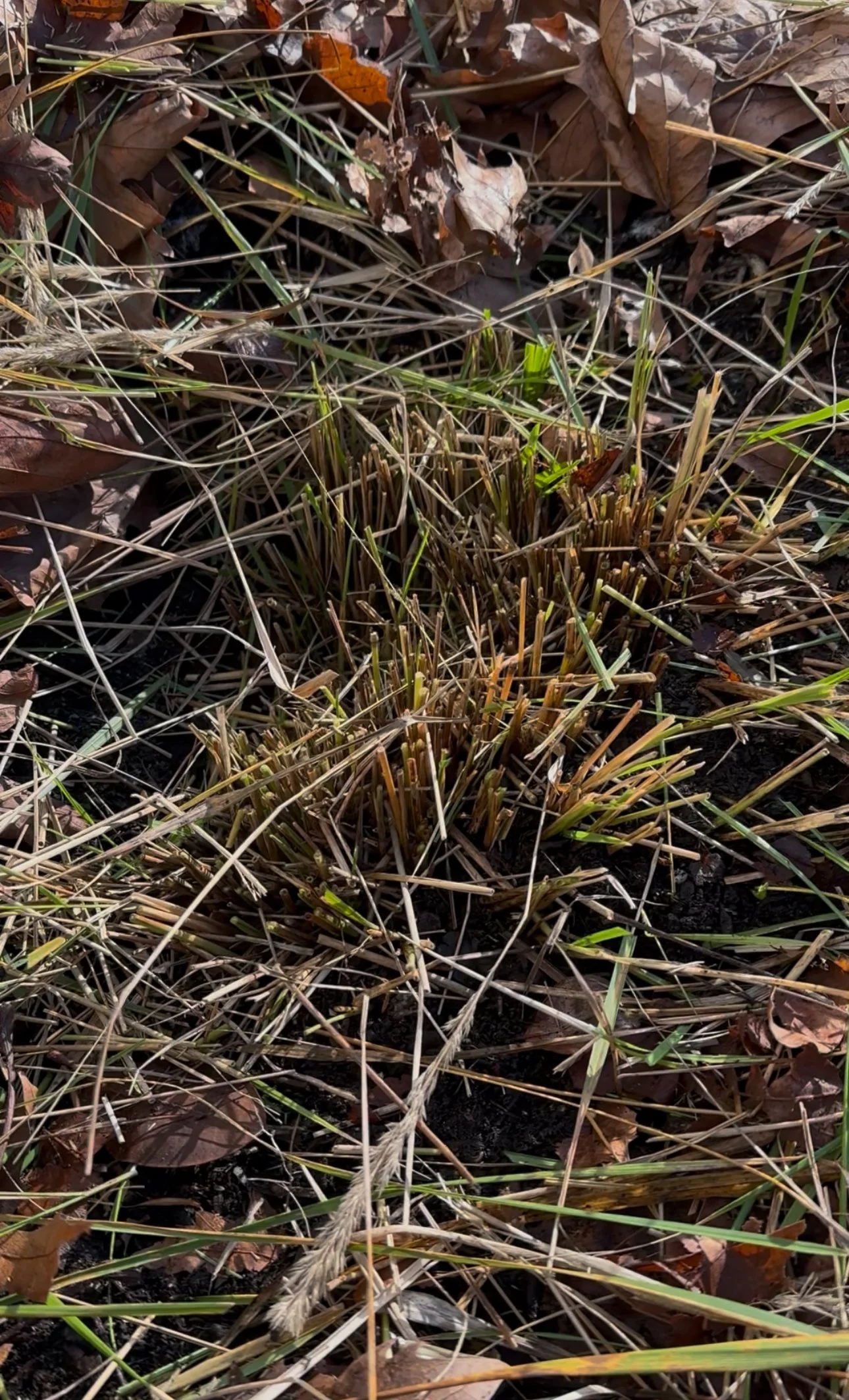
And that’s it.
No hauling.
No green waste bins overflowing.
No extra fertilizer.
I do nothing else for that plant until this time next year.
Nature handles the rest.
Want to Be Done in One Day? (Fast Method)
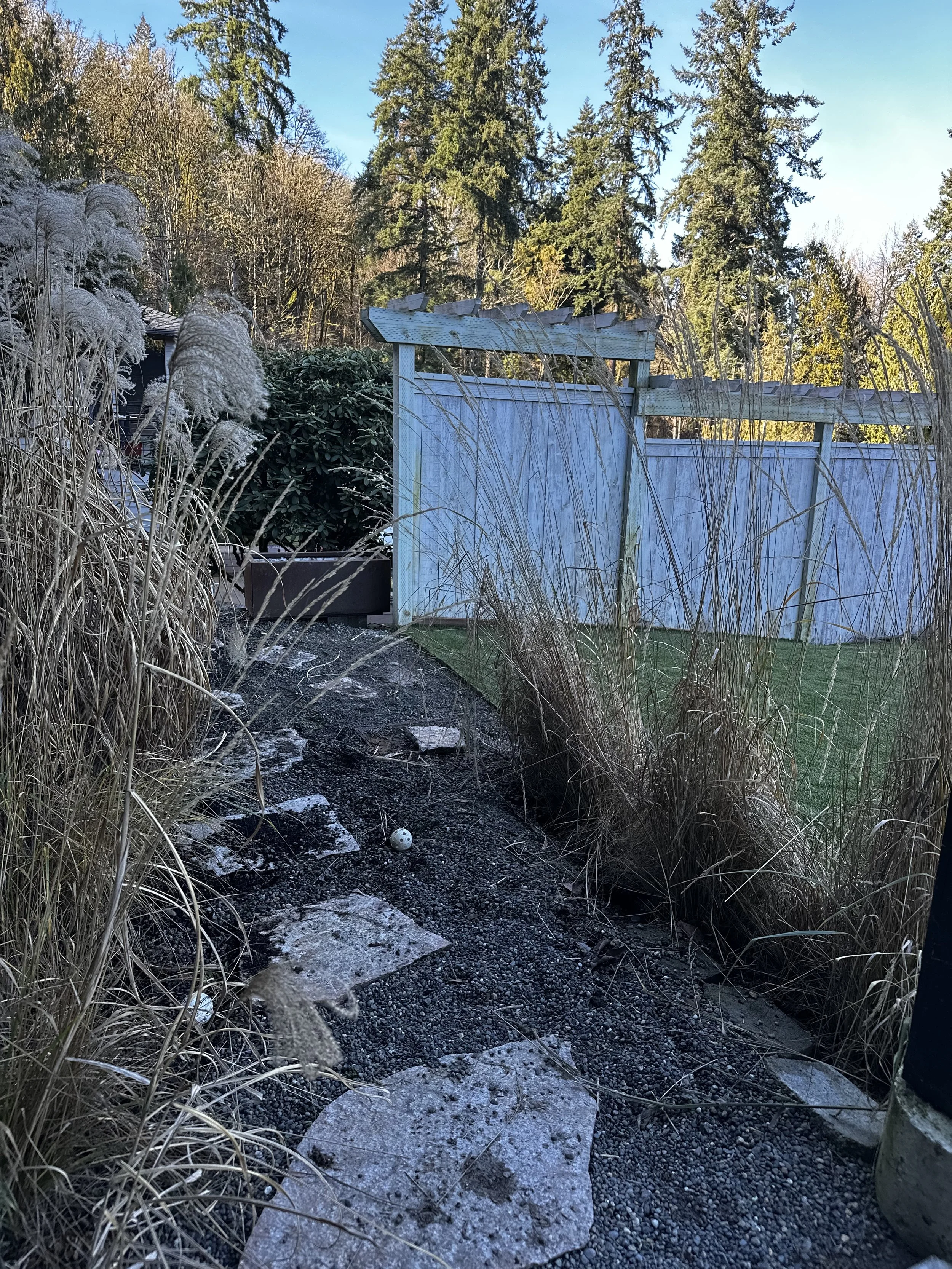
If you — or your landscaper — want to knock it out all at once, you absolutely can.
You have options:
Use hedge trimmers and cut everything down in roughly 6-inch increments.
Let it all fall to the ground — don’t bag it.
Or if your beds are dense and grassy, you can even mow right over them.
Landscapers often use a hedge trimmer on a stick (a long-reach trimmer) to stand upright and power through large areas quickly.
This is efficient and completely fine.
All that chopped material becomes mulch and slow fertilizer. It feeds the soil, protects the crowns, and sets you up for healthier, fuller plants this season.
This is how you get show-stoppers in summer without constantly adding compost or buying bags of fertilizer.
The Most Important Step No One Talks About

After everything is cut back, there’s one more move.
Get out your Dutch push hoe.
Scrape lightly around every plant crown and across the soil surface.
You’re not digging.
You’re not turning soil.
You’re just disturbing the very top layer.
Why?
Because this breaks up weed seeds and tiny weed seedlings before they have a chance to germinate as temperatures rise.
Dutch push hoeing interrupts their ability to establish roots.
Do this now — and you dramatically reduce your weeding all spring and summer.
This one step is the difference between:
A calm, controlled garden
And a June panic attack.
A Few Important Exceptions
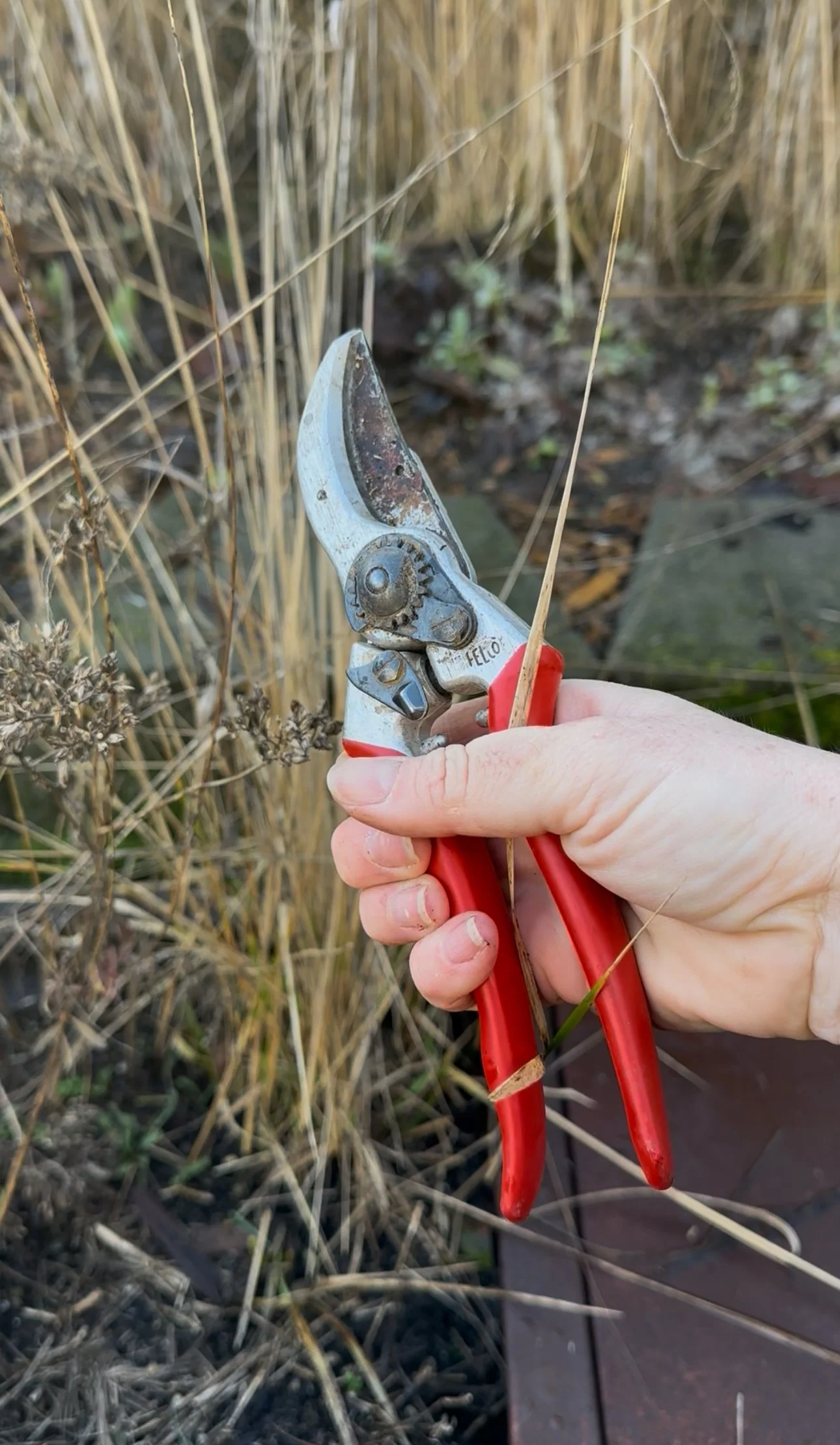
Not everything gets chopped to the ground.
Woody perennials (like Little Spire — formerly Russian sage) should be cut back to about 6 inches above the ground, not all the way down, to prevent flopping.
Evergreen grasses like Stipa gigantea and Mexican feather grass should just be lightly cleaned up. Think tidy haircut — not buzz cut.
Know the difference, and your plants will reward you.
February Chop = June Magic
This is the reset.
This is the foundation.
Your March garden starts in February.
Cut it back.
Let it mulch itself.
Dutch hoe before weeds wake up.
And then step back and let spring do its thing.
Your garden is about to glow up.
