Beyond the Pie-Crust Suburb Yard: Designing a Property Meant to Be Explored
Most American yards are designed like pie crust: the house in the middle, lawn wrapped all the way around it, shrubs shoved to the edges. You mow it, water it, maintain it—and rarely use most of it.
A destination property flips that model.
It’s designed to be walked, entered, and experienced.
The core idea is simple:
paths are the hallways, zones are the rooms.
You move on the path, and you exit into spaces. You don’t walk through zones to get somewhere else.
Before placing anything, there are two decisions that come first—always.
Start With the View
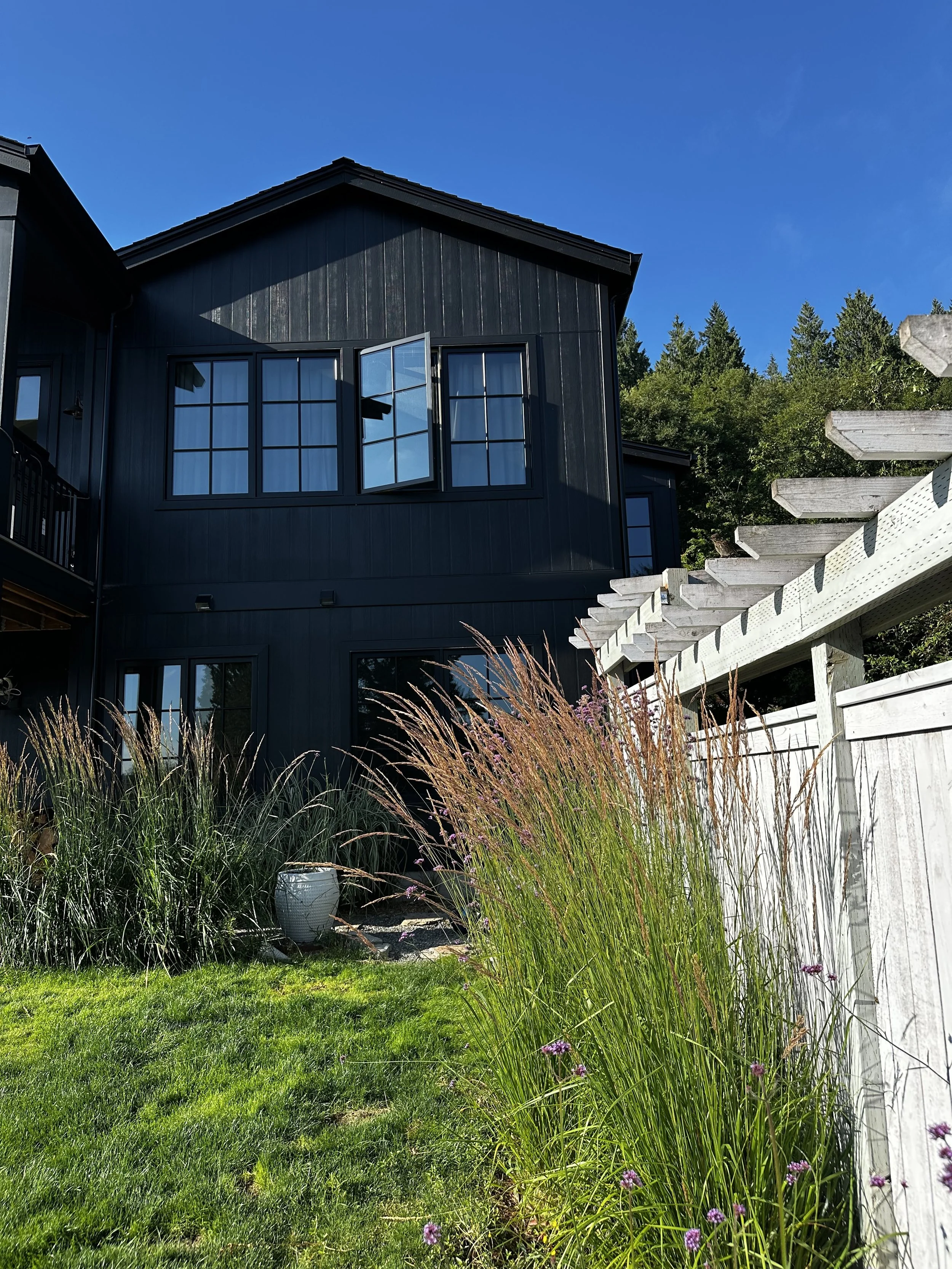
Stand on your property and figure out where the best and longest view is. This might be looking across your land, toward trees, sky, hills, or even just depth and openness. Wherever that view is, that’s where your first sitting area goes. This is the anchor point for the entire design.
Understand the Sun
Next, track the sun—especially afternoon and evening sun. This is where most outdoor spaces fail. If a space is uncomfortable, it won’t get used no matter how beautiful it is.
The Zones (Designed as Exits Off the Path)
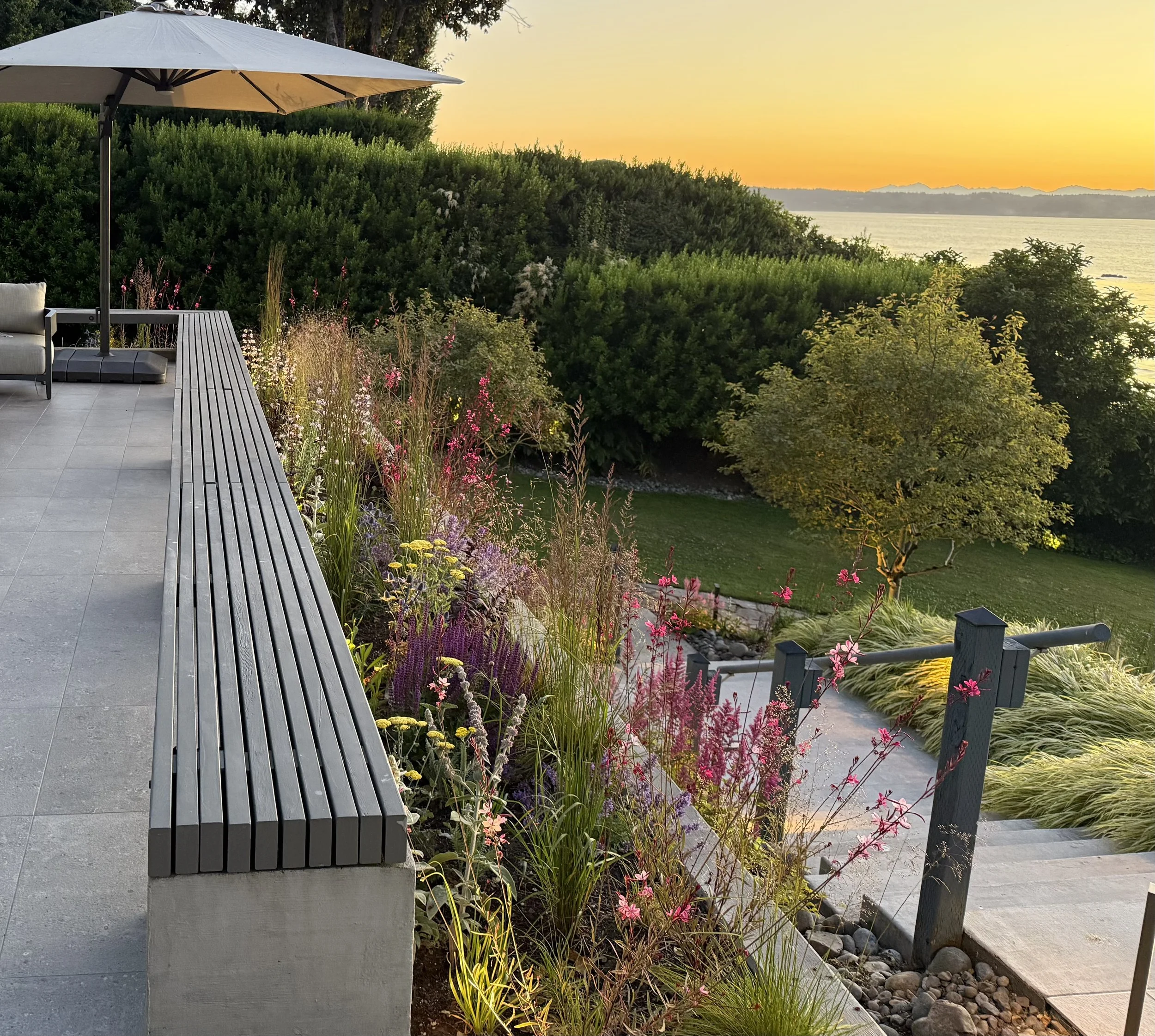
Sitting Area
The sitting area goes at the best view, period. This is not negotiable. It doesn’t need to be fancy, but it does need intention. A gravel pad, a small deck, a bench tucked into planting—simple works. This space is about stopping and taking in the land. It’s not on the path; it’s a step off the path. When you enter this zone, movement stops. You sit. You look. You stay.
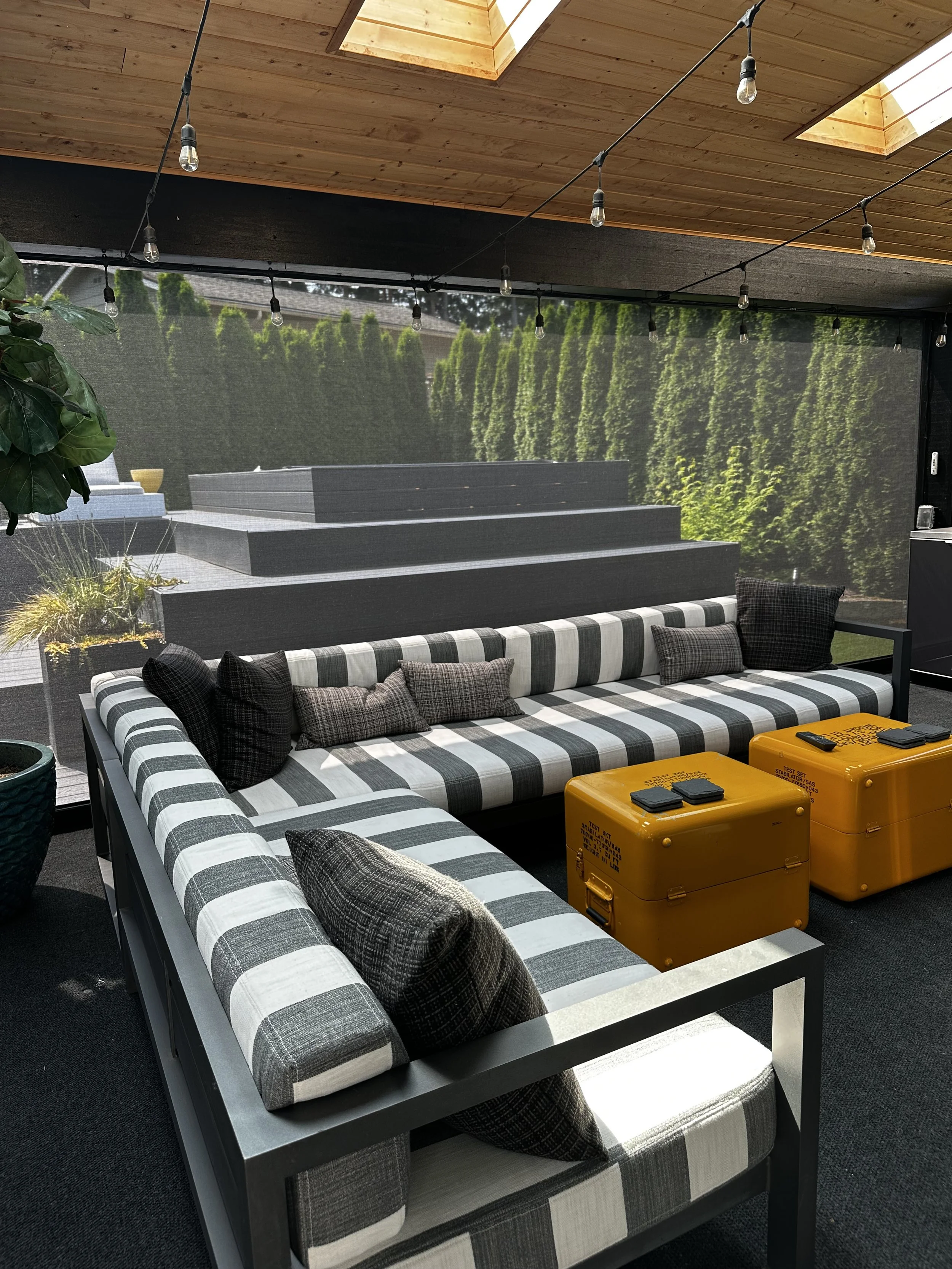
Dining Area
Outdoor dining needs comfort more than anything else. Keep it close enough to the house that meals are easy, but far enough that it feels like a room, not a back door landing. Do not place dining where it gets blasted by afternoon or evening sun. Shade matters—trees, pergola, structure, something. This zone should feel protected and calm, and you should never walk through it to get somewhere else. You enter to eat, gather, and linger.
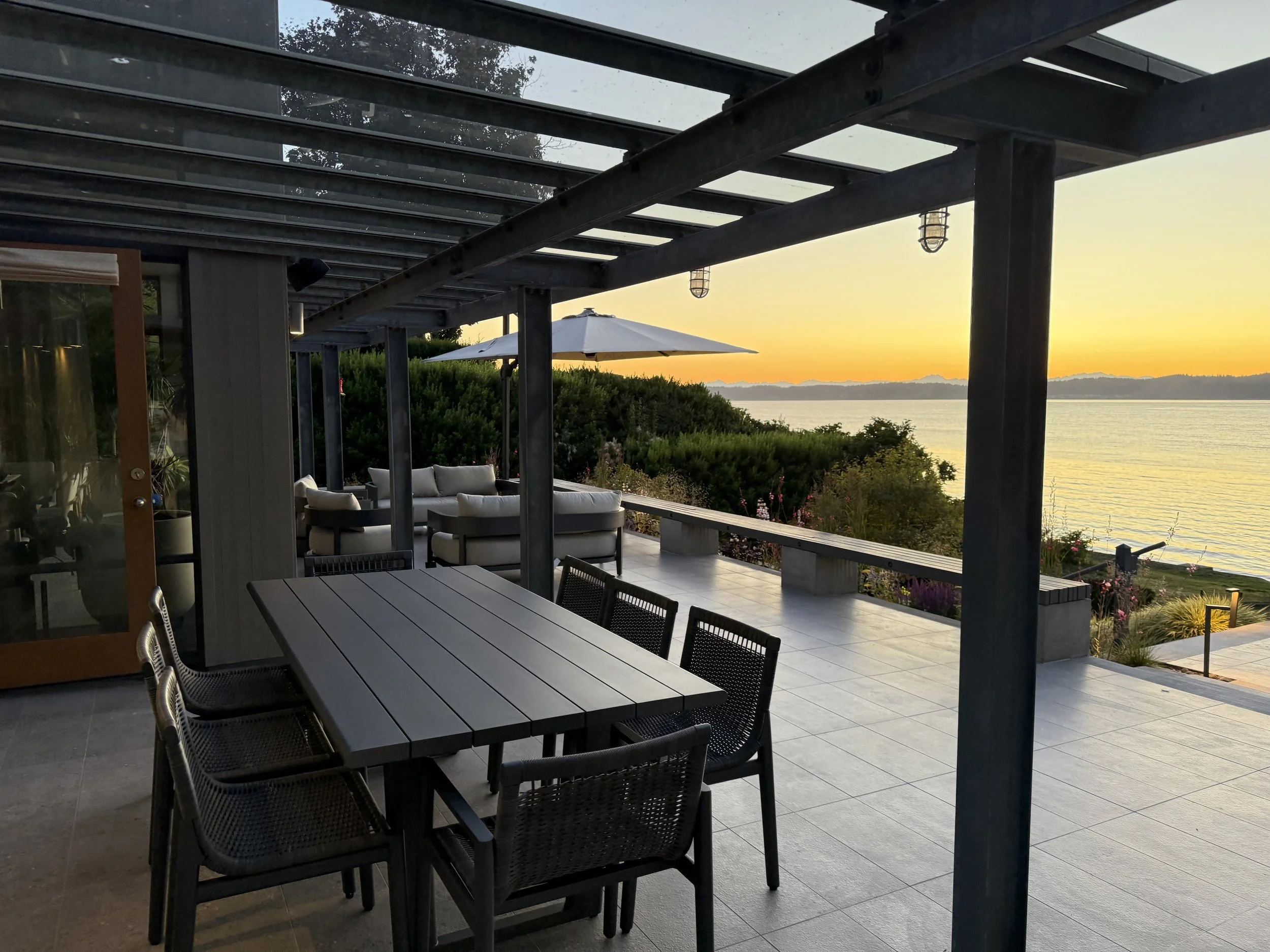
Lawn
The lawn is a room, not filler. When lawns are used for circulation, they feel messy and never really work. Paths should frame the lawn, not cut across it. When lawn isn’t a shortcut, it becomes flexible and useful—kids, games, lounging, events. Defined edges make it feel intentional instead of endless.
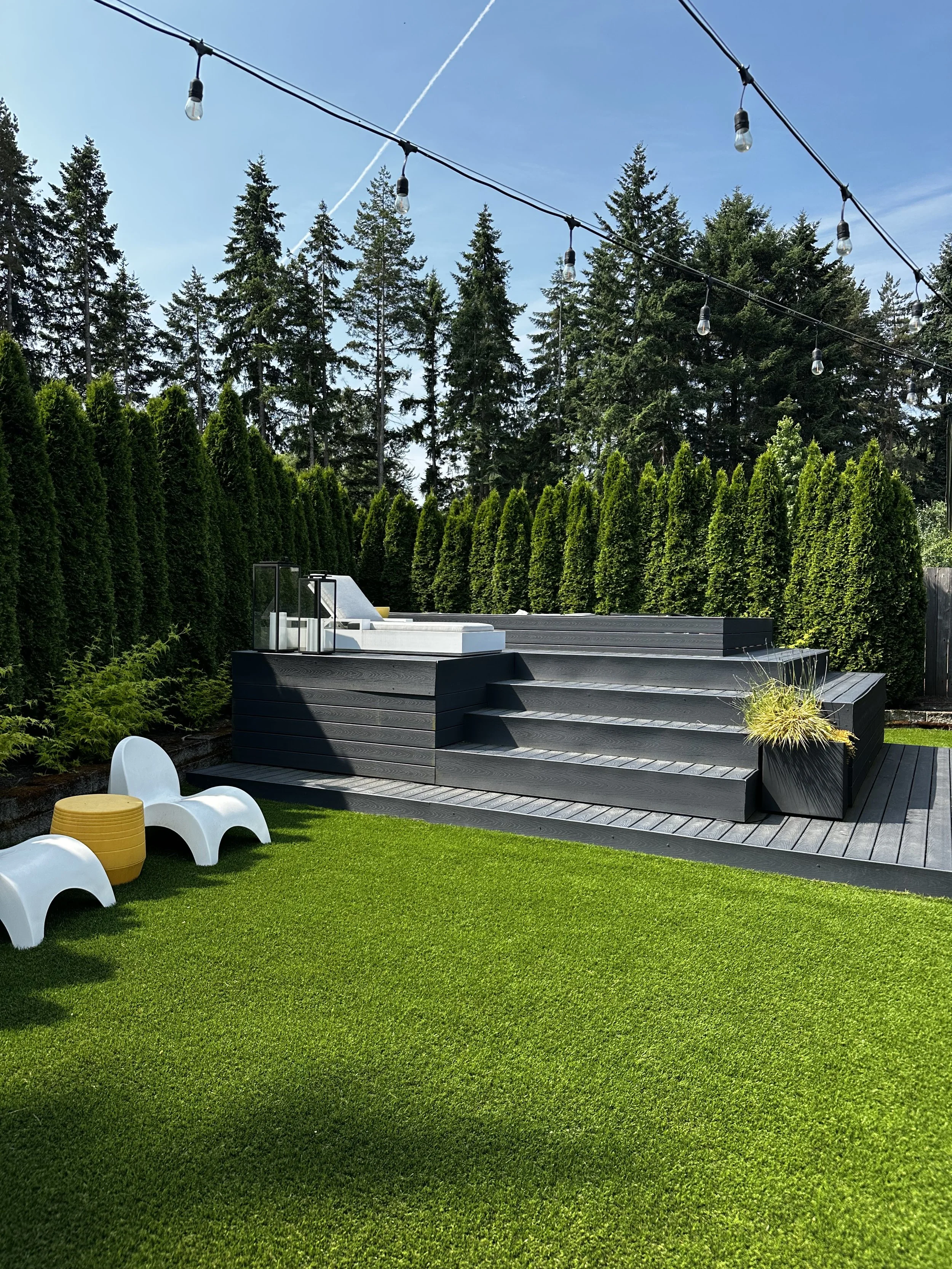
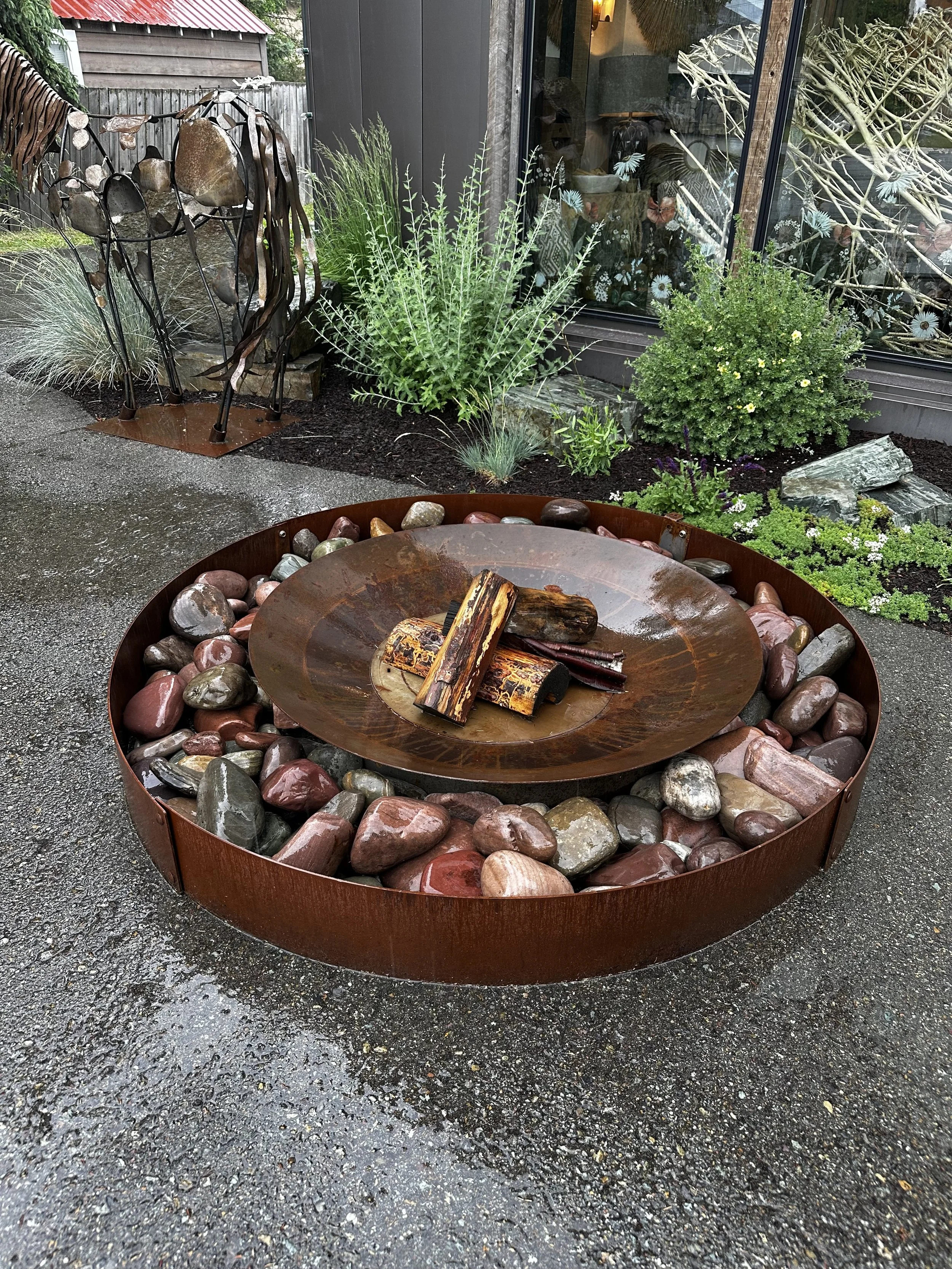
Fire Pit
The fire pit is a destination, not a connector. It should sit at the end of a path, not in the middle of movement. You walk to it on purpose. Once you arrive, there’s nowhere else to go—and that’s the point. This gives the space weight and importance. It becomes the place people naturally gather as the evening settles in.
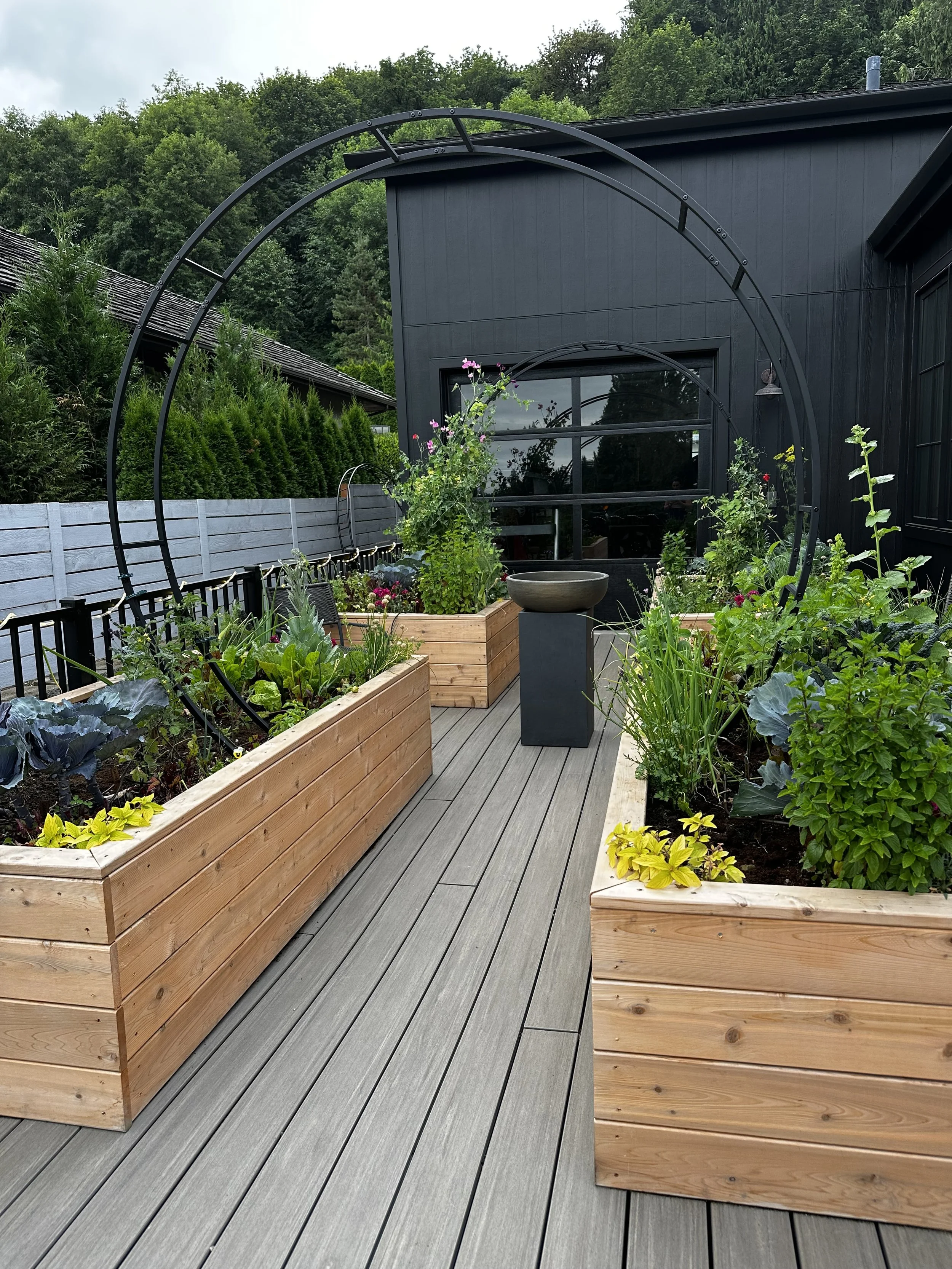
Vegetable Garden
Vegetable gardens need two things to succeed: sun and proximity. Place raised beds where they get full sun and where they’re close to the kitchen. If it’s inconvenient, it won’t get used consistently. Raised boxes keep it clean, organized, and intentional. This zone should be easy to access, but still clearly a room you step into—not something you cut through.
Sauna
The sauna should feel tucked away and private. This is a retreat space. Access it from the path, but don’t place it on the path. It should feel slightly hidden, enclosed by planting or fencing, and calm. When you enter this zone, you’re leaving the rest of the property behind.
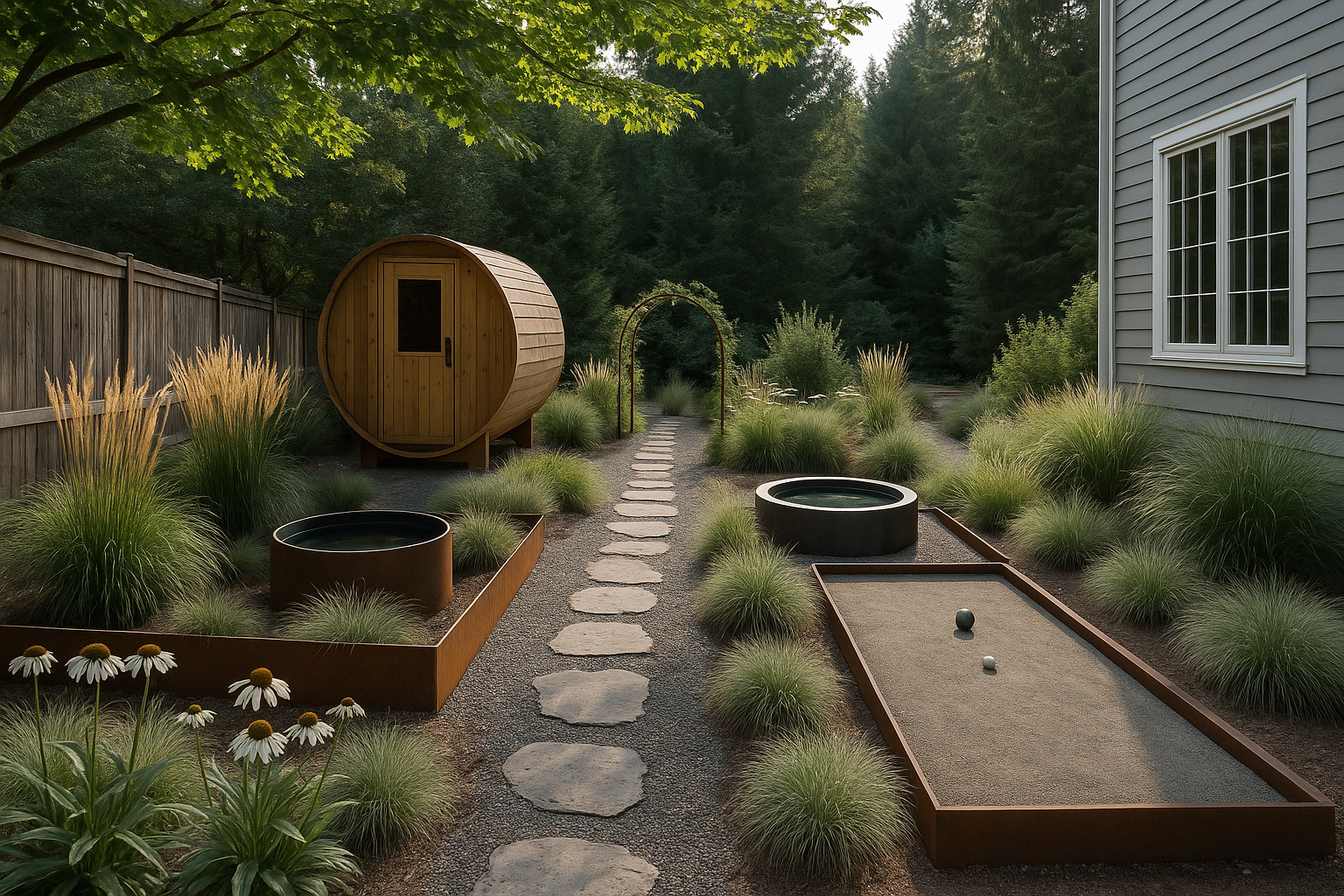
Cold Plunge
The cold plunge belongs right near the sauna for quick access, but it still shouldn’t be part of circulation. This is a functional space, but it deserves intention. It should feel paired with the sauna, protected, and not exposed to foot traffic or views from main areas.
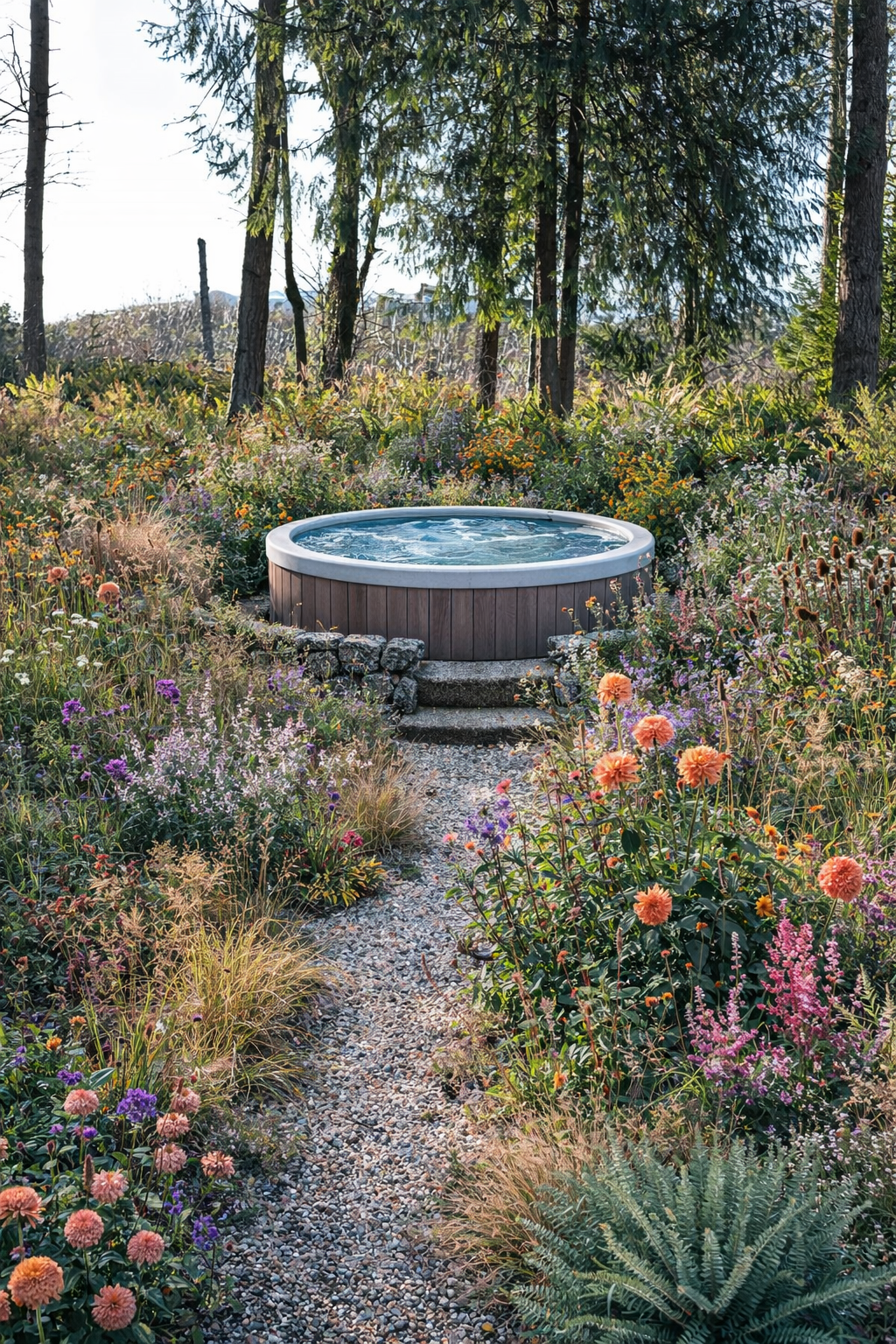
Hot Tub
The hot tub is another destination zone. It should feel cozy and enclosed—planting, screens, pergola, something that creates atmosphere and privacy. Access it from a short spur off the path so it feels chosen, not passed. Like the sauna, this is about slowing down, not moving through.
The Rule That Makes It All Work
Circulation stays circulation.
Zones stay zones.
When you design your property this way, it stops feeling like land you maintain and starts feeling like a place you live in. It feels bigger, more intentional, and far more enjoyable—without adding complexity.
That’s how you move beyond the pie-crust suburb and create a property meant to be explored.