How Many Plants Does It Actually Take to Install a New Garden?
One of the biggest surprises clients have during a garden installation isn’t the timeline or the process—it’s the number of plants.
Most people assume a new garden takes a few dozen plants. In reality, a thoughtfully designed, full, naturalistic garden often requires hundreds.
The Myth: “We’ll Just Add a Few Plants”
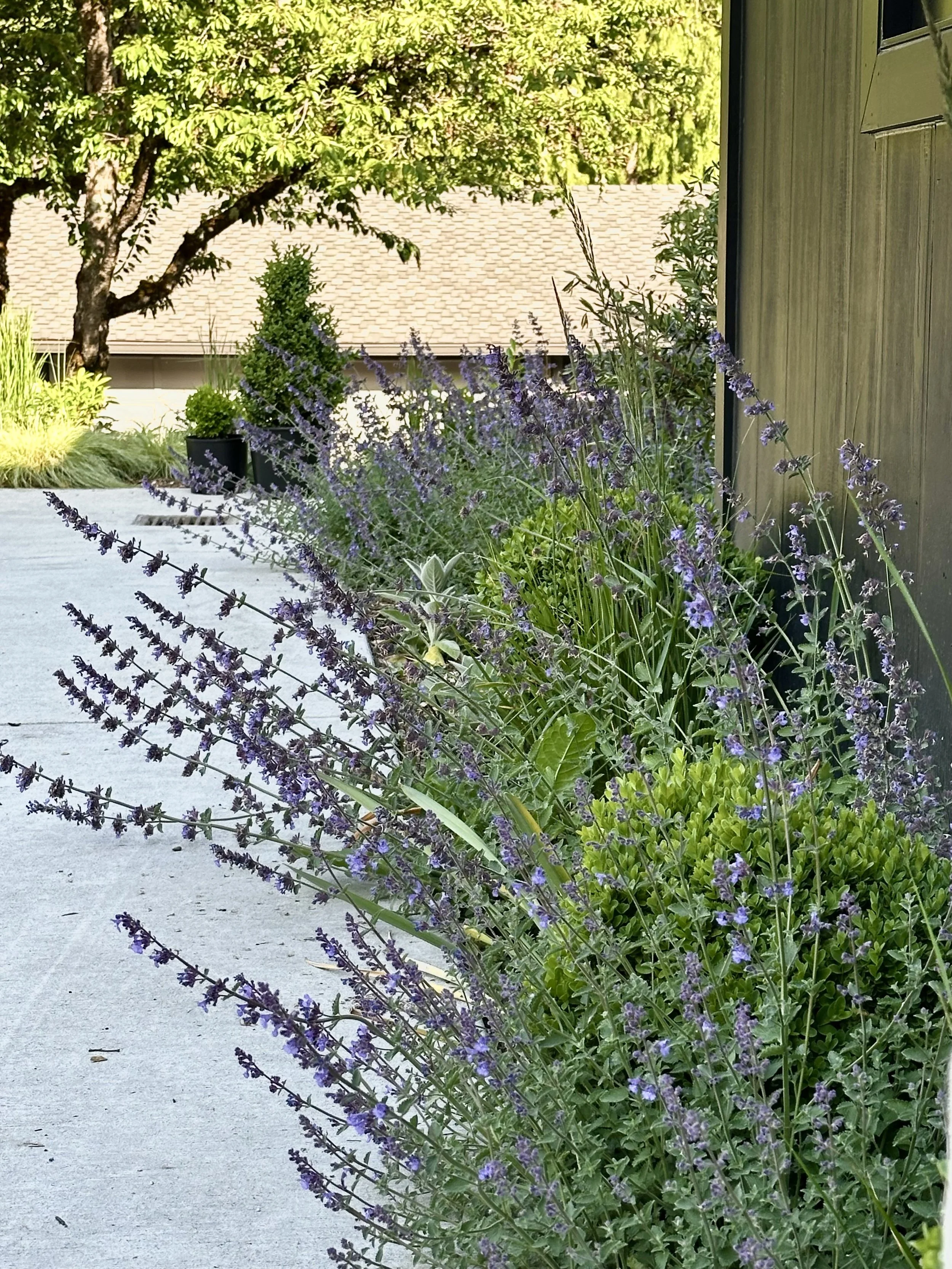
A sparse garden with widely spaced plants might look fine on day one—but it almost always leads to:
Weeds filling the gaps
Uneven growth and patchiness
A garden that takes years to feel intentional
Higher long-term maintenance
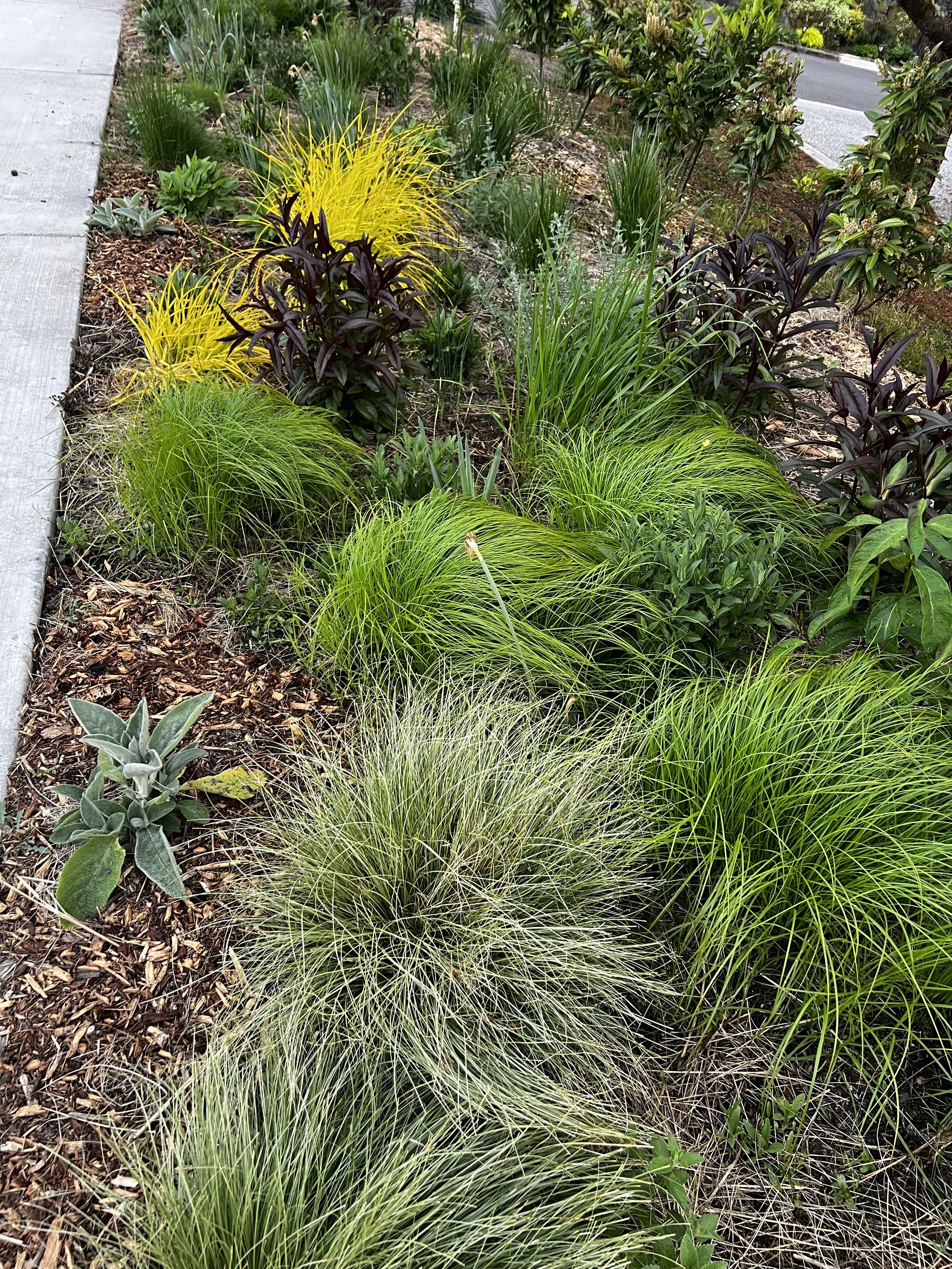
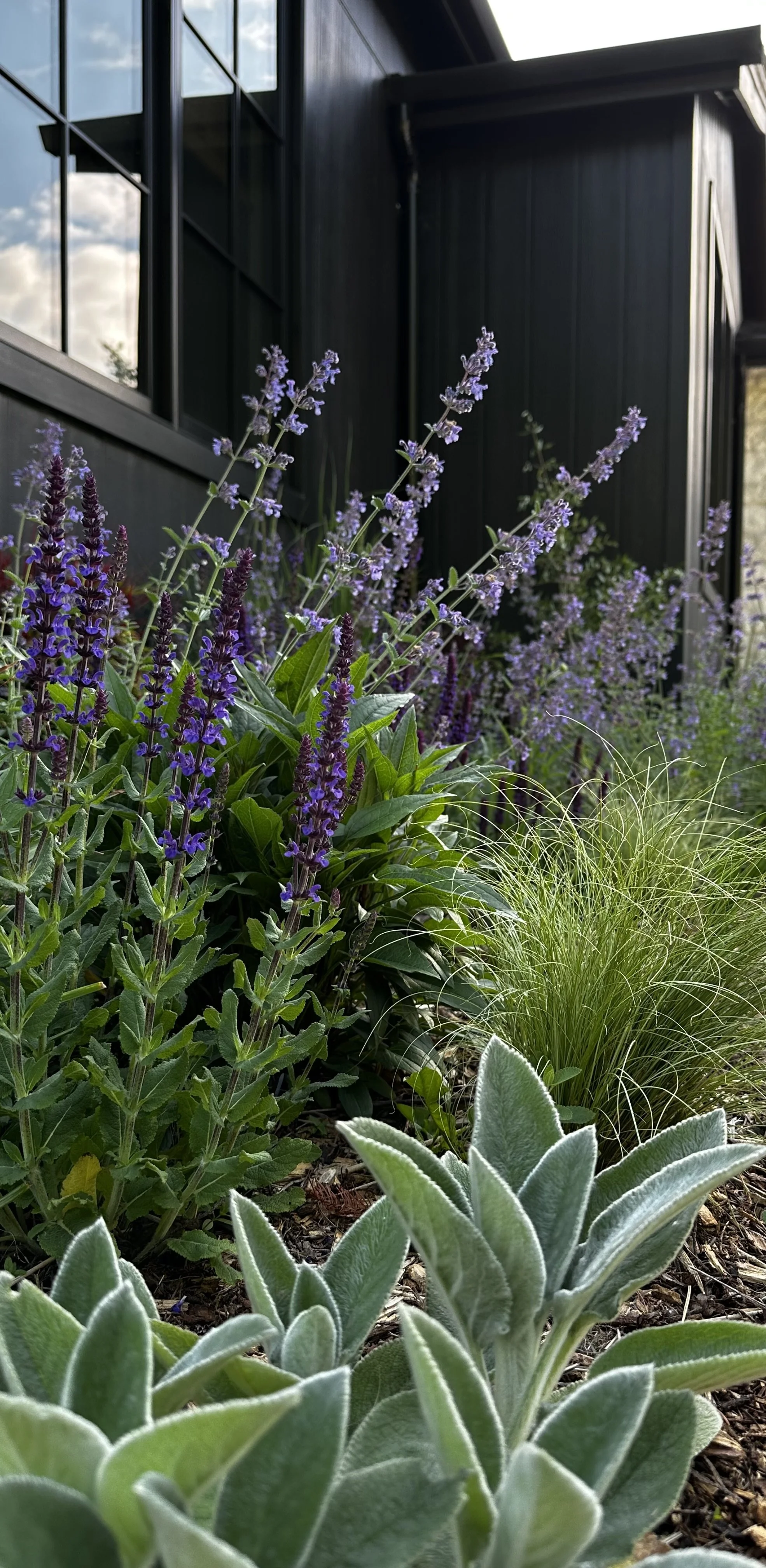
Naturalistic, all-season gardens work differently. They rely on density, repetition, and layers to create beauty and reduce maintenance.
The Reality: Plant Density = Garden Success
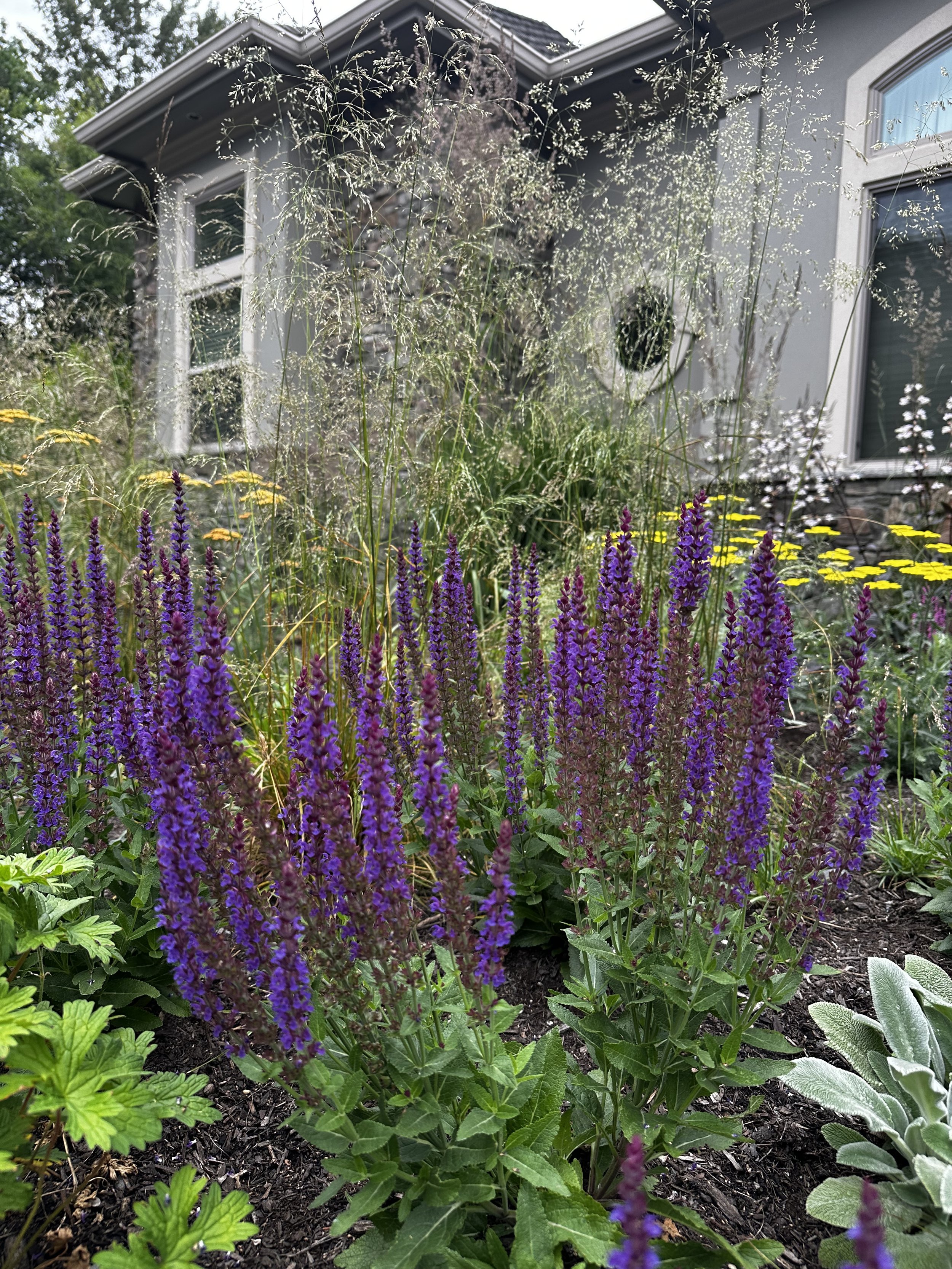
In professionally designed gardens, especially meadow-inspired or matrix-style plantings, plants are intentionally installed closer together than most people expect.
This creates:
Faster visual impact
Stronger root competition (which suppresses weeds)
Better moisture retention
A garden that looks “finished” within 1–2 growing seasons
So… How Many Plants Are We Talking?
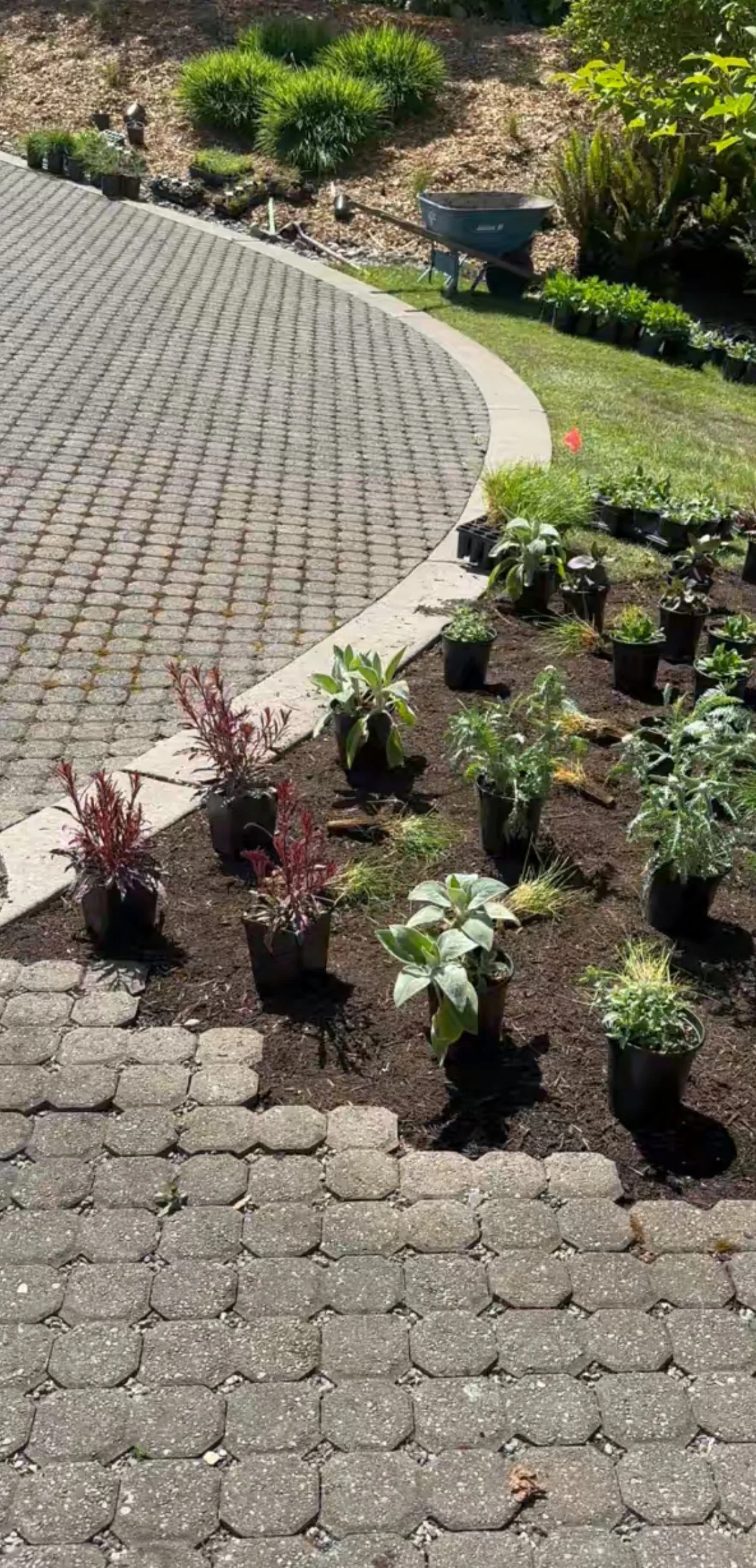
Here’s a rough breakdown based on real garden installs:
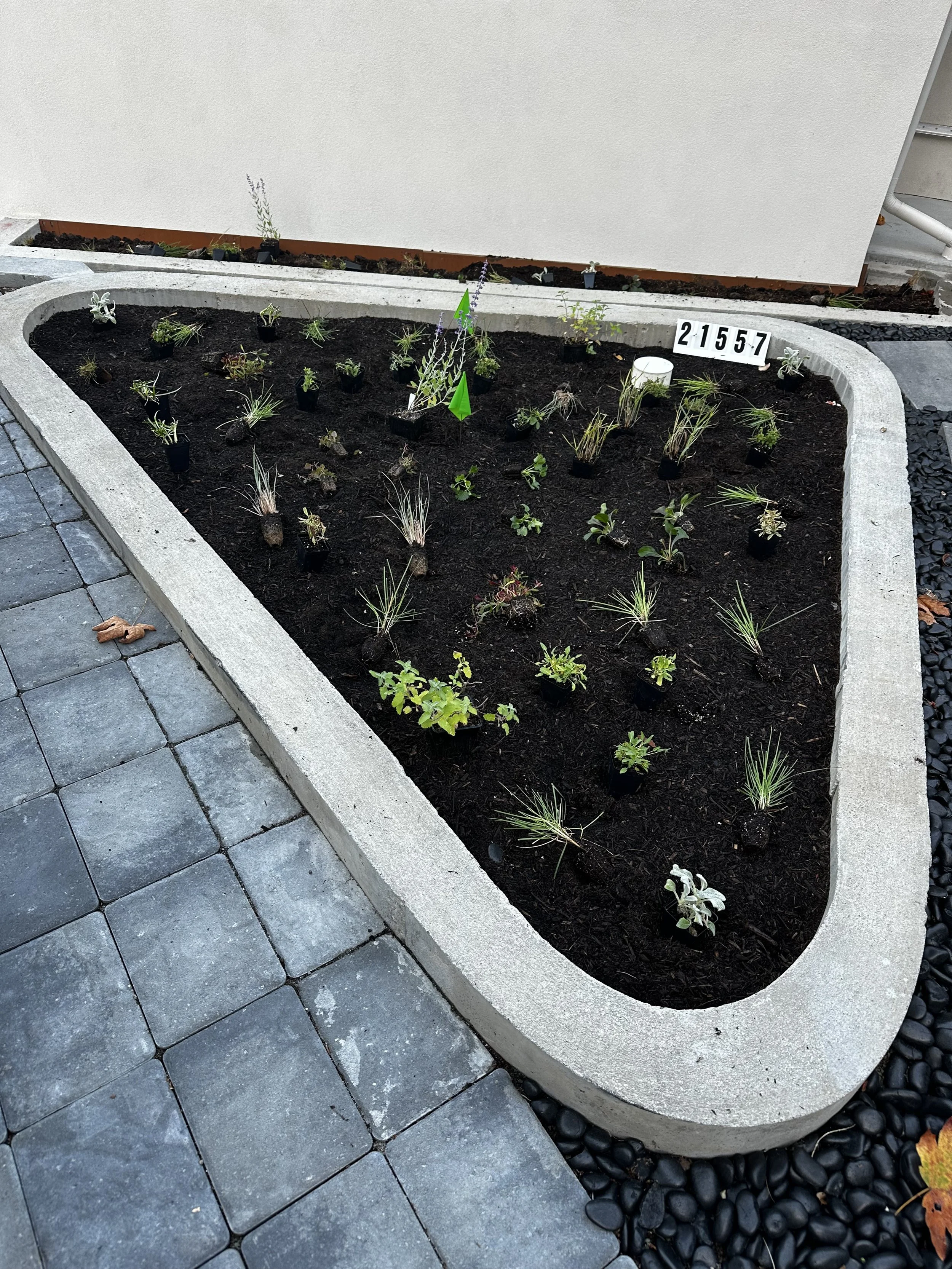
🌱 Small Front Yard Garden (200–300 sq ft)
120–180 plants
Mix of grasses, perennials, bulbs, and groundcover
Often installed as plugs + small containers
🌿 Medium Garden Bed (500–800 sq ft)
300–600 plants
Designed in repeating drifts
Includes seasonal layers for spring through fall interest
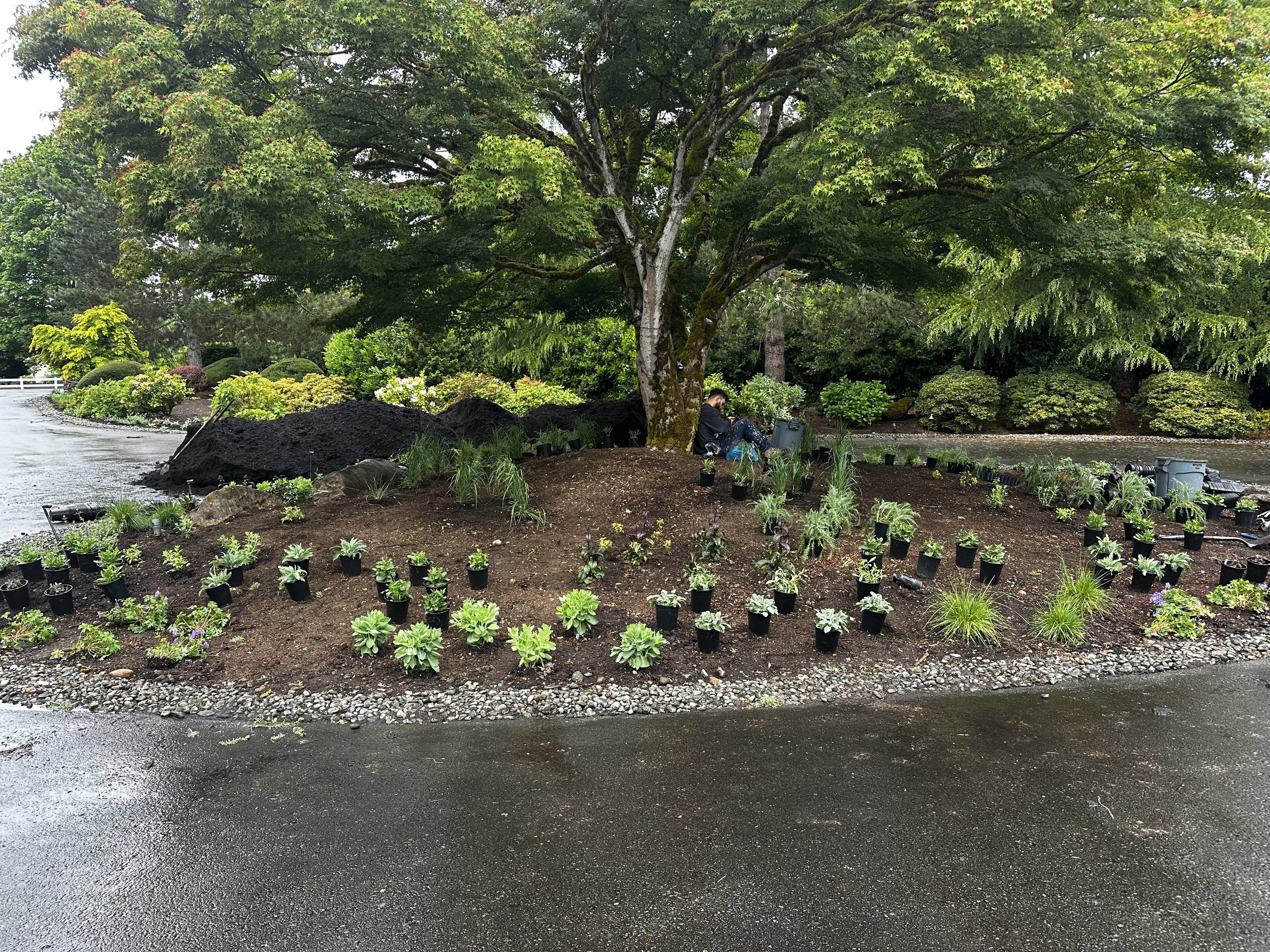
🌾 Full Front or Back Yard Garden (1,000–1,500 sq ft)
800–1,500+ plants
Matrix planting style
Bulbs added later for seasonal extension
Yes—over a thousand plants is completely normal.
Why Professional Gardens Use So Many Plants
1. Gardens Are Built in Layers
A successful Pacific Northwest garden isn’t just shrubs and mulch. It includes:
• Bulbs (early spring impact)
• Grasses (structure + movement)
• Spring bloomers
• Summer perennials
• Late-season and seed-head plants
Each layer overlaps, which means more plants—but far better results.
2. Repetition Creates Calm
Instead of one of everything, designers repeat plants in groups and drifts.
That repetition requires higher quantities—but creates cohesion and flow.
3. Plants Are the Soil Improvement
Dense planting improves soil health naturally over time. Roots aerate clay, add organic matter, and create a living system that gets better every year—without constant amendments.
Why Plugs Are a Game-Changer
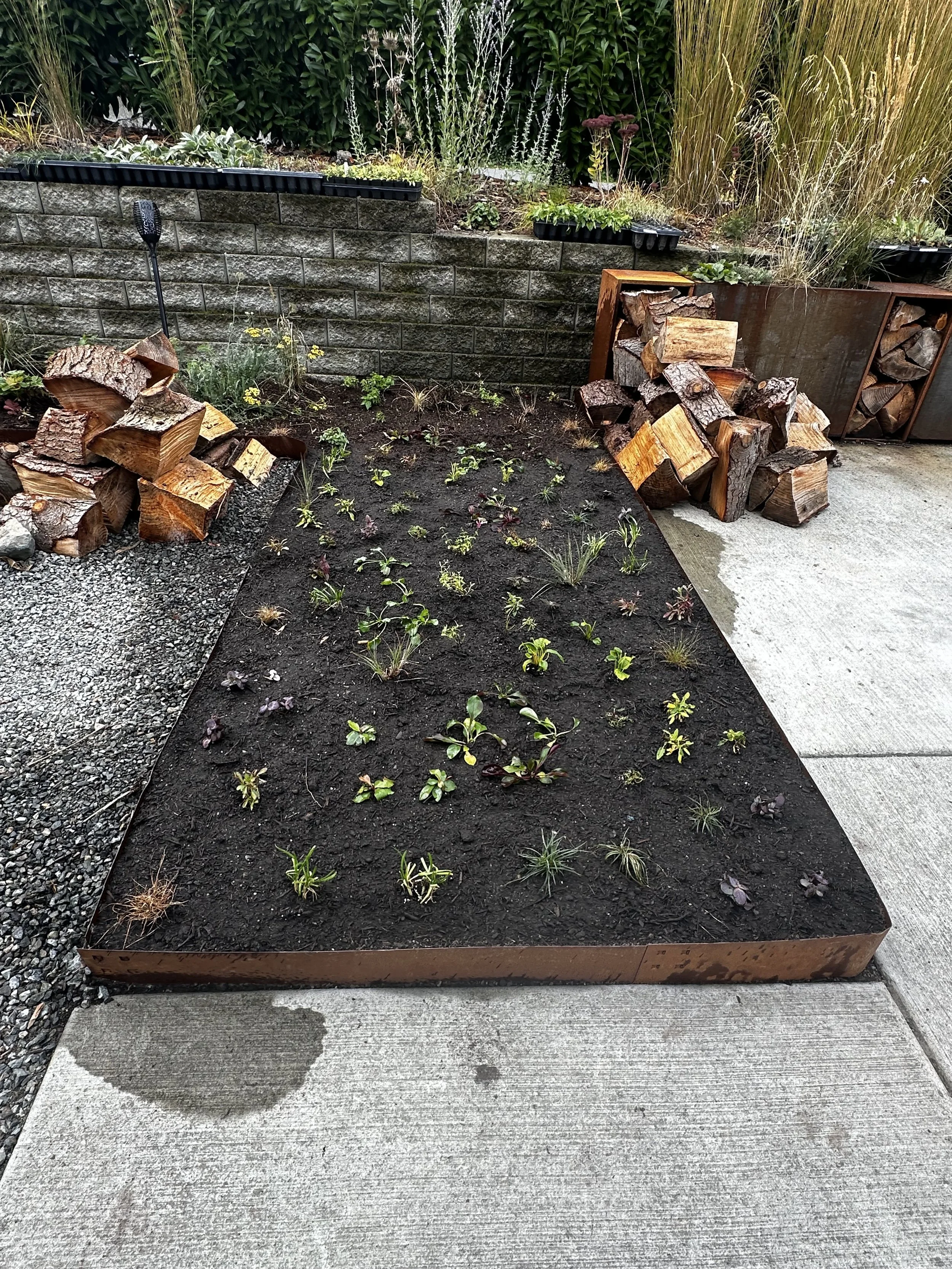
Many of my gardens are installed using plugs rather than large containers.
Plugs:
Are significantly more affordable
Establish faster in tough soils
Adapt better to site conditions
Allow for higher plant counts without blowing the budget
This is how we install hundreds of plants efficiently while still creating a refined, intentional design.
What This Means for Your Garden Budget
More plants doesn’t mean waste—it means:
Less mulch long-term
Fewer weeds
Lower maintenance
Faster maturity
A garden that looks designed, not decorated
Most gardens are also installed in phases:
Design + layout
Initial planting (grasses + perennials)
Bulbs added in fall
Containers and refinements later
This approach makes large plant counts manageable and strategic.
The Takeaway
If your garden feels underwhelming or constantly weedy, it’s probably not the plants you chose—it’s how many you used.
A beautiful, low-maintenance garden isn’t about restraint.
It’s about abundance, intention, and smart density.
And yes—sometimes that means planting 1,200 plants.