Why I Design Gardens with Plugs — and Why I Rarely Change the Soil First
A plant-first philosophy for Seattle and Pacific Northwest gardens
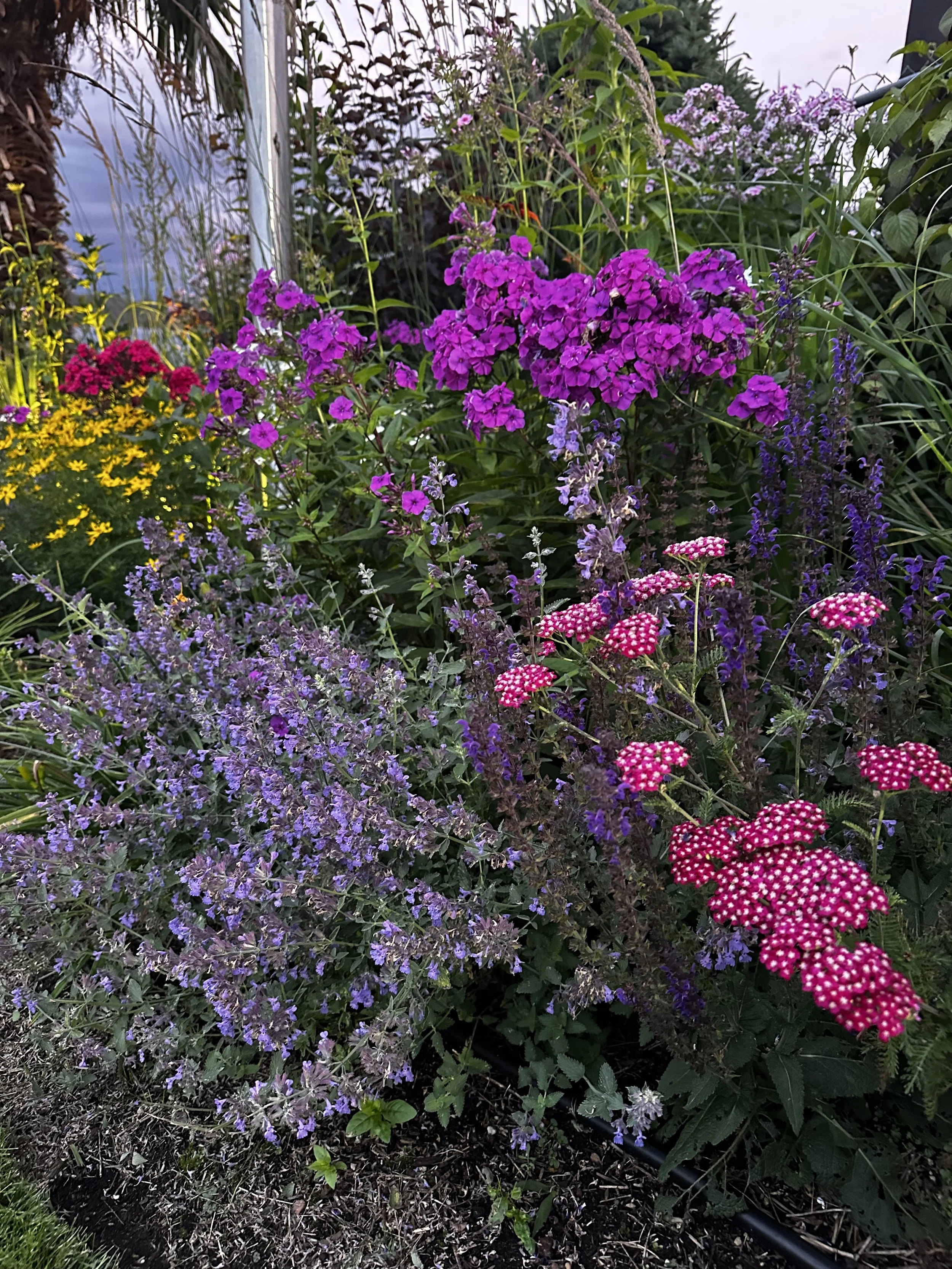
One of the most surprising things clients hear from me is this: you don’t need perfect soil to have a beautiful garden. In fact, trying to “fix” your soil before planting is often the most expensive, temporary, and frustrating part of gardening — especially in Seattle, where we deal with clay, glacial till, compacted fill, or very lean soils.
Instead, I design gardens around a simple truth:
The fastest, most effective way to improve your soil is to plant into it.
And the best way to do that? Perennials, grasses, bulbs — planted densely, using plugs.
Why Plugs Outperform Gallons (Especially in Tough Soil)
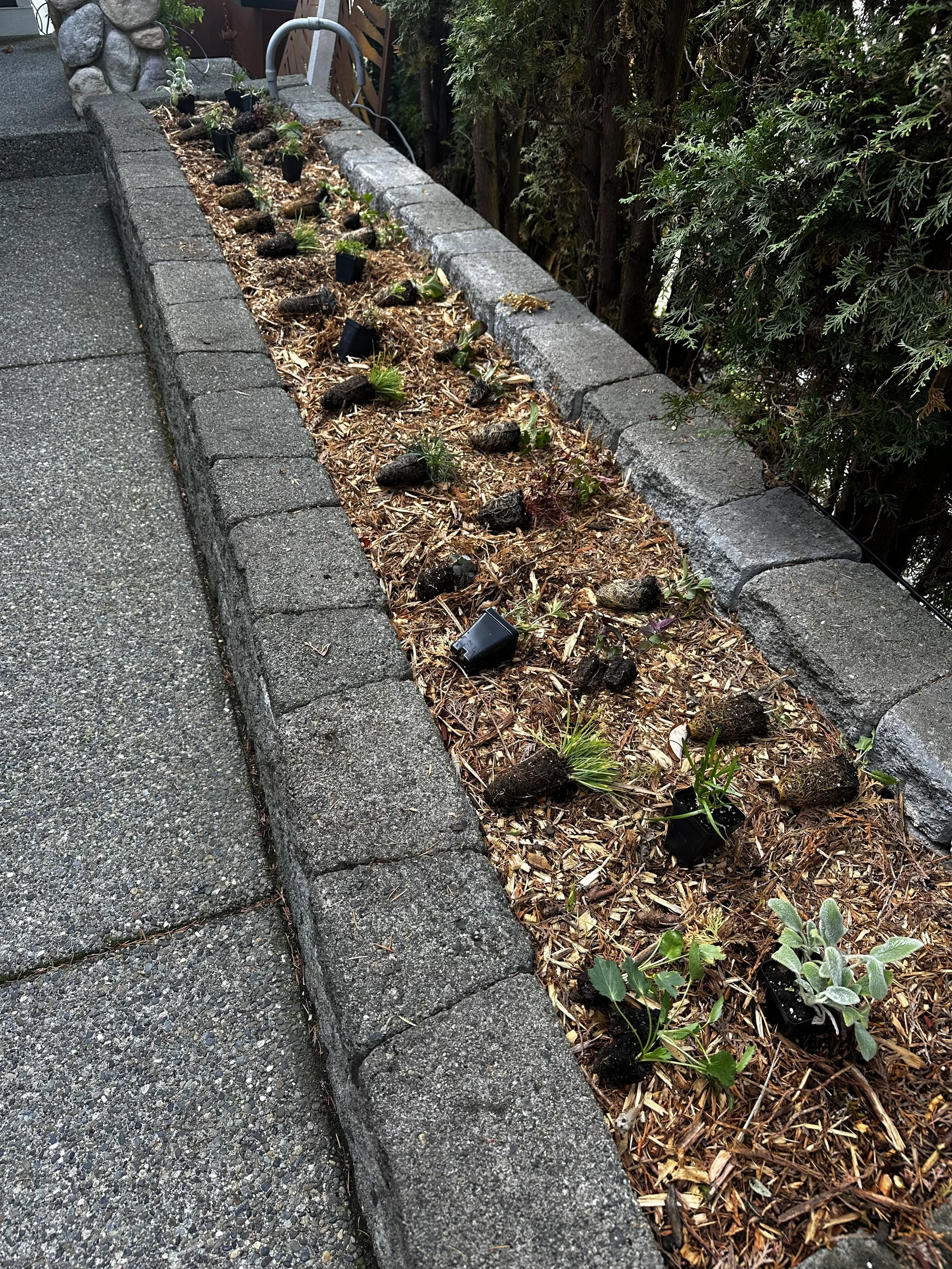
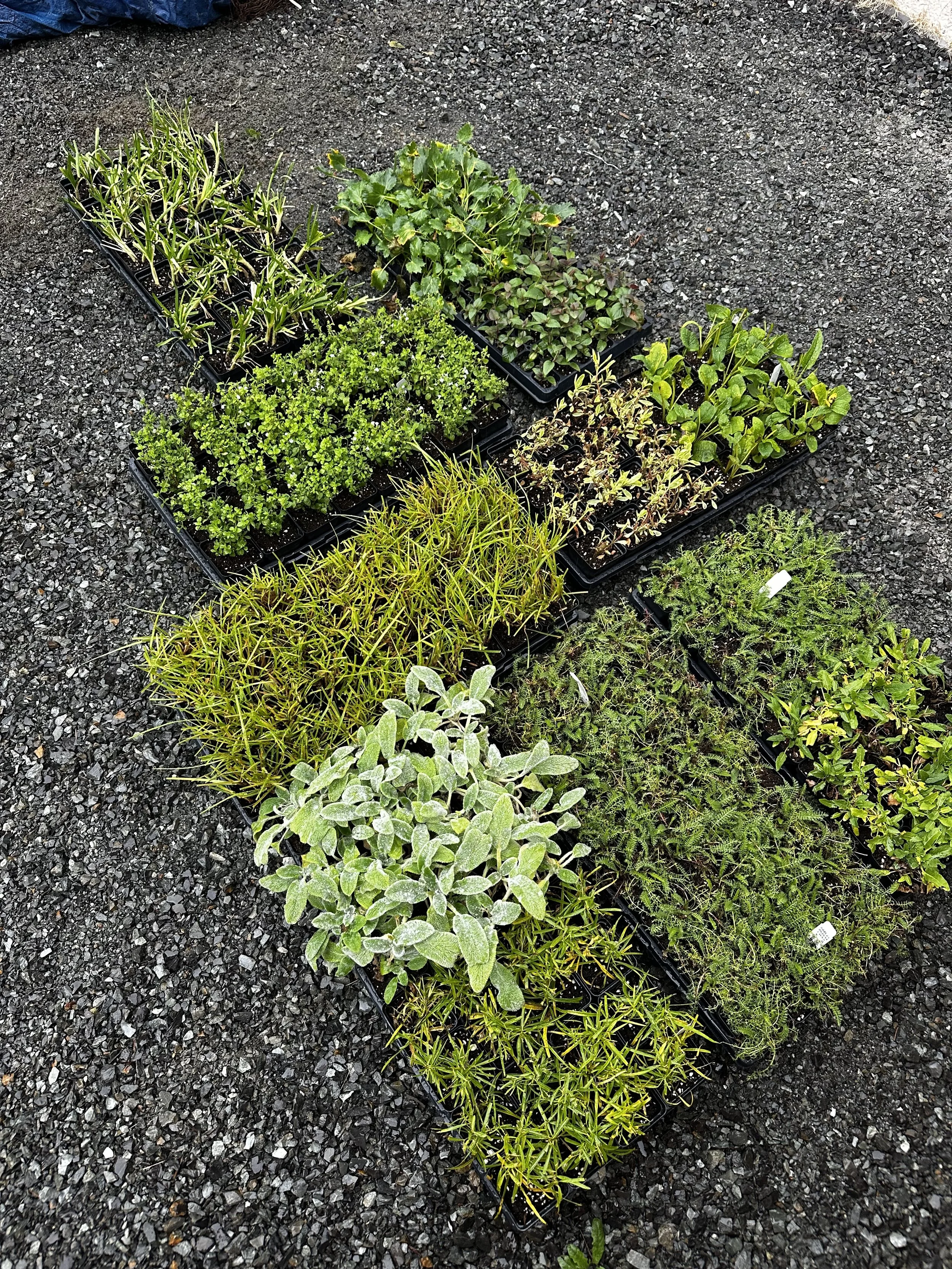
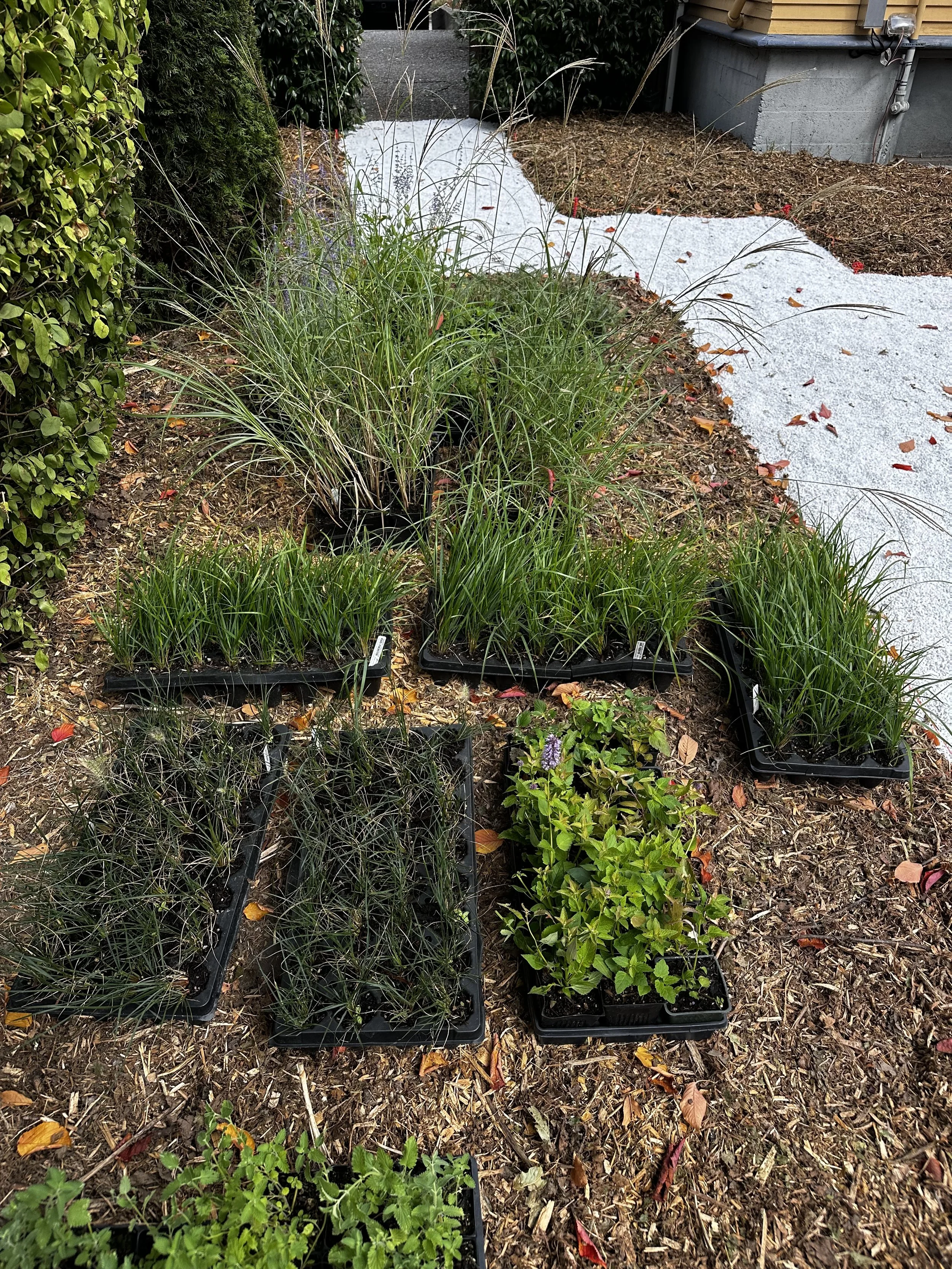
Plugs are small, young plants with compact root systems. That might sound like a disadvantage, but in reality, it’s their greatest strength.
Plugs:
Establish faster than gallon plants
Adapt immediately to your soil instead of fighting it
Send roots outward, not in circles
Cost a fraction of the price, allowing dense planting
Thrive in clay, lean soil, and compacted sites
Large container plants are often grown in rich, fluffy nursery soil. When you drop them into native clay or lean ground, roots can stall or rot. Plugs don’t have that problem — they learn the soil from day one.
This is why professional naturalistic designers rely on plugs for large plantings. They create resilient gardens that last decades, not seasons.
Why I Don’t Heavily Amend Soil (Even When It’s “Bad”)
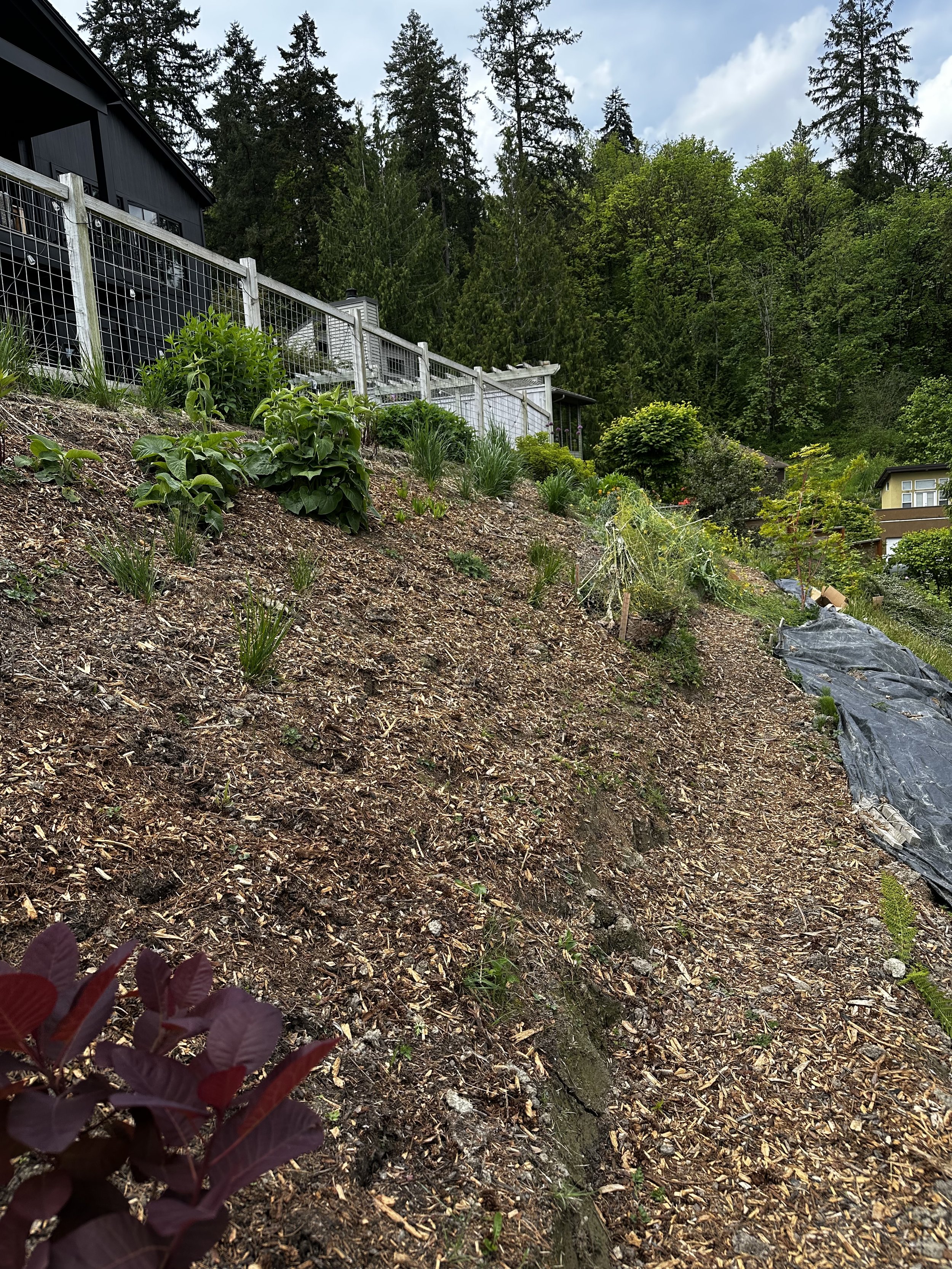
Heavy soil amendment sounds logical: compost, imported topsoil, soil blends, conditioners. But here’s what actually happens:
Amendments are expensive and labor-intensive
They create a temporary “bubble” of good soil
Roots stay in that bubble instead of integrating
Within a year or two, everything settles back to baseline
Meanwhile, plants themselves are the best soil builders:
Roots open compacted soil
Organic matter builds naturally as plants grow and die back
Microbial life increases year after year
Soil structure improves permanently
If a plant can survive in your soil, it will improve that soil.
The Toughest Plants Are the Best Teachers
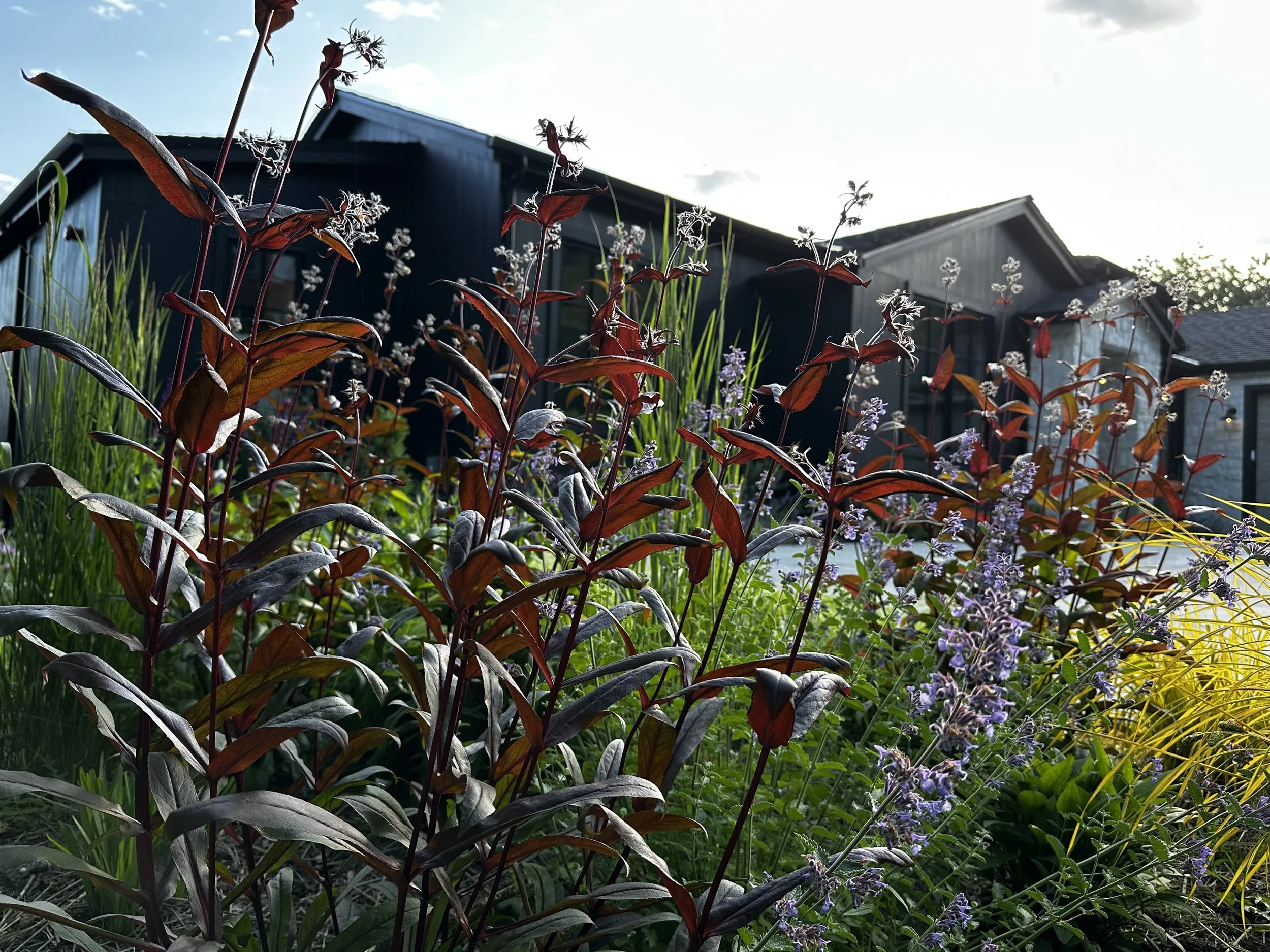
The perennials and grasses used in matrix planting are selected specifically because they thrive in real conditions — not perfect ones.
Extremely Tough Grasses
Sesleria autumnalis
Deschampsia cespitosa
Calamagrostis ‘Karl Foerster’
Panicum virgatum (and cultivars)
Schizachyrium scoparium
These grasses tolerate clay, lean soil, seasonal wetness, summer drought, and foot traffic nearby. They also knit soil together faster than almost anything else.
Extremely Tough Perennials
Geranium macrorrhizum
Achillea (yarrow)
Echinacea
Rudbeckia
Amsonia
Eryngium
Solidago
Perovskia
These plants don’t need pampering. They want space, sun, and neighbors — not fluffy soil.
Bulbs That Break Up Soil Naturally
Alliums
Camassia
Narcissus
Species tulips
Bulbs act like underground tools. They push through compacted soil, create channels for water and roots, and disappear quietly when finished.