
How Much It Costs to Replace Traditional Landscaping With Naturalistic Plants in Seattle
Replacing a traditional lawn-and-shrub landscape with a naturalistic garden is one of the smartest investments Seattle homeowners can make. Not only do naturalistic gardens thrive in our climate, they cost less over time, use far less water, and look better as they age.
But how much does it actually cost? Let’s break it down with real Seattle pricing, realistic plant costs, and examples of the plants I use most often in my design
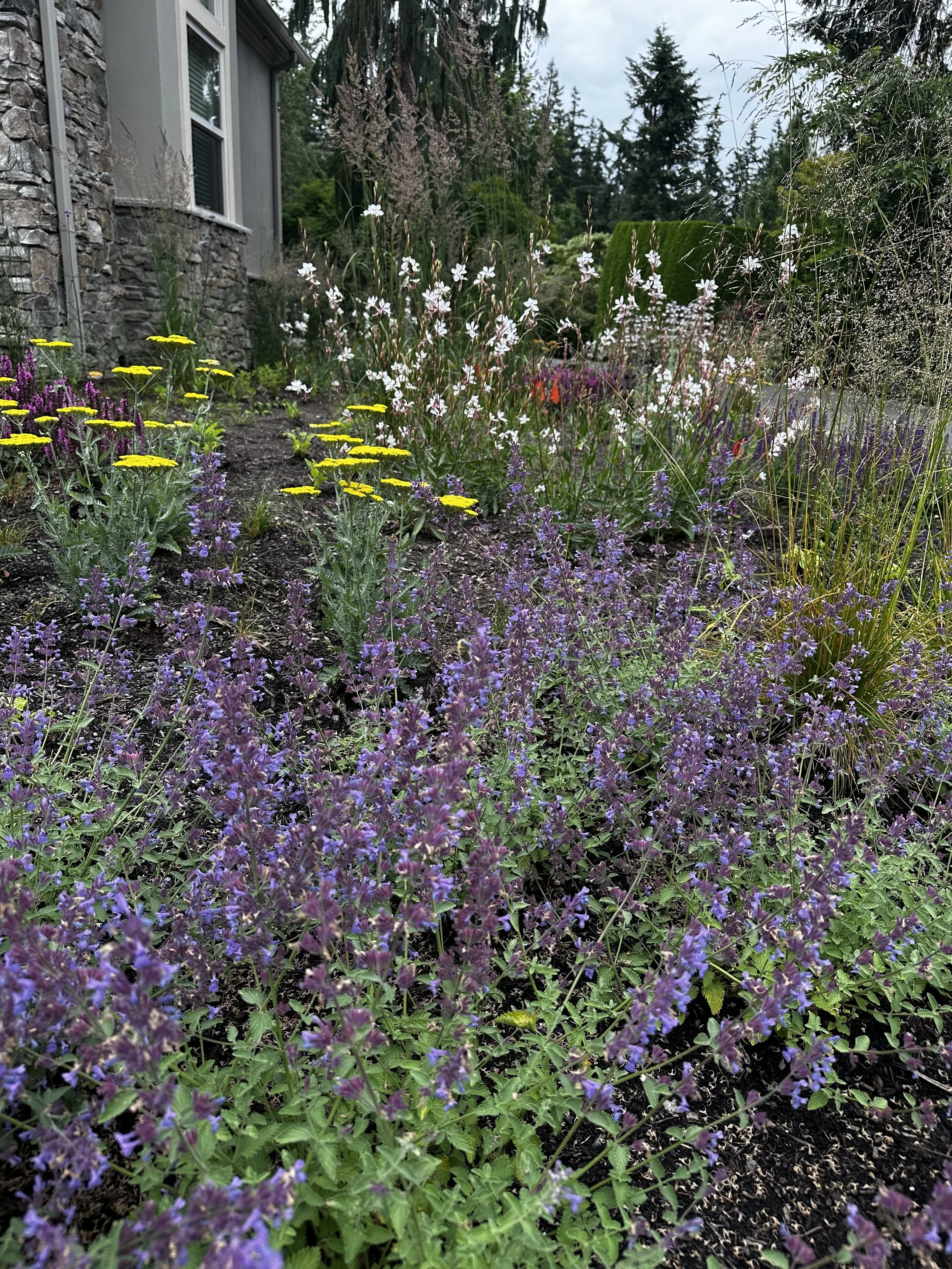
Why Naturalistic Gardens Make Sense in Seattle
Seattle’s climate is ideal for naturalistic planting:
Wet winters, dry summers
Mild temperatures
Excellent conditions for grasses and perennials
Traditional landscaping fights this climate with lawns, thirsty shrubs, and high-maintenance plantings. Naturalistic gardens work with it.
Plant Costs: The Biggest Difference
This is where most homeowners are surprised.
Naturalistic Plant Pricing
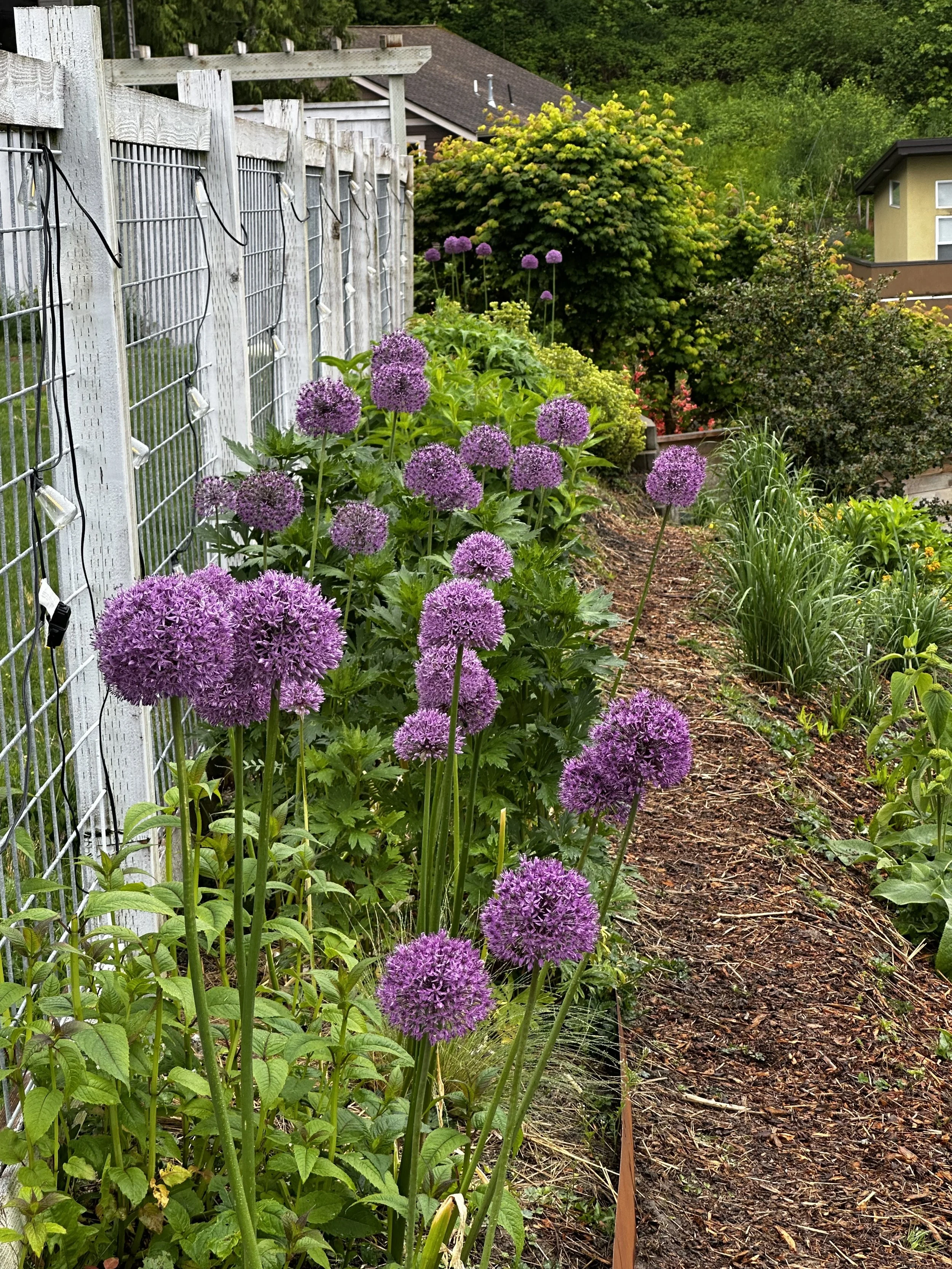
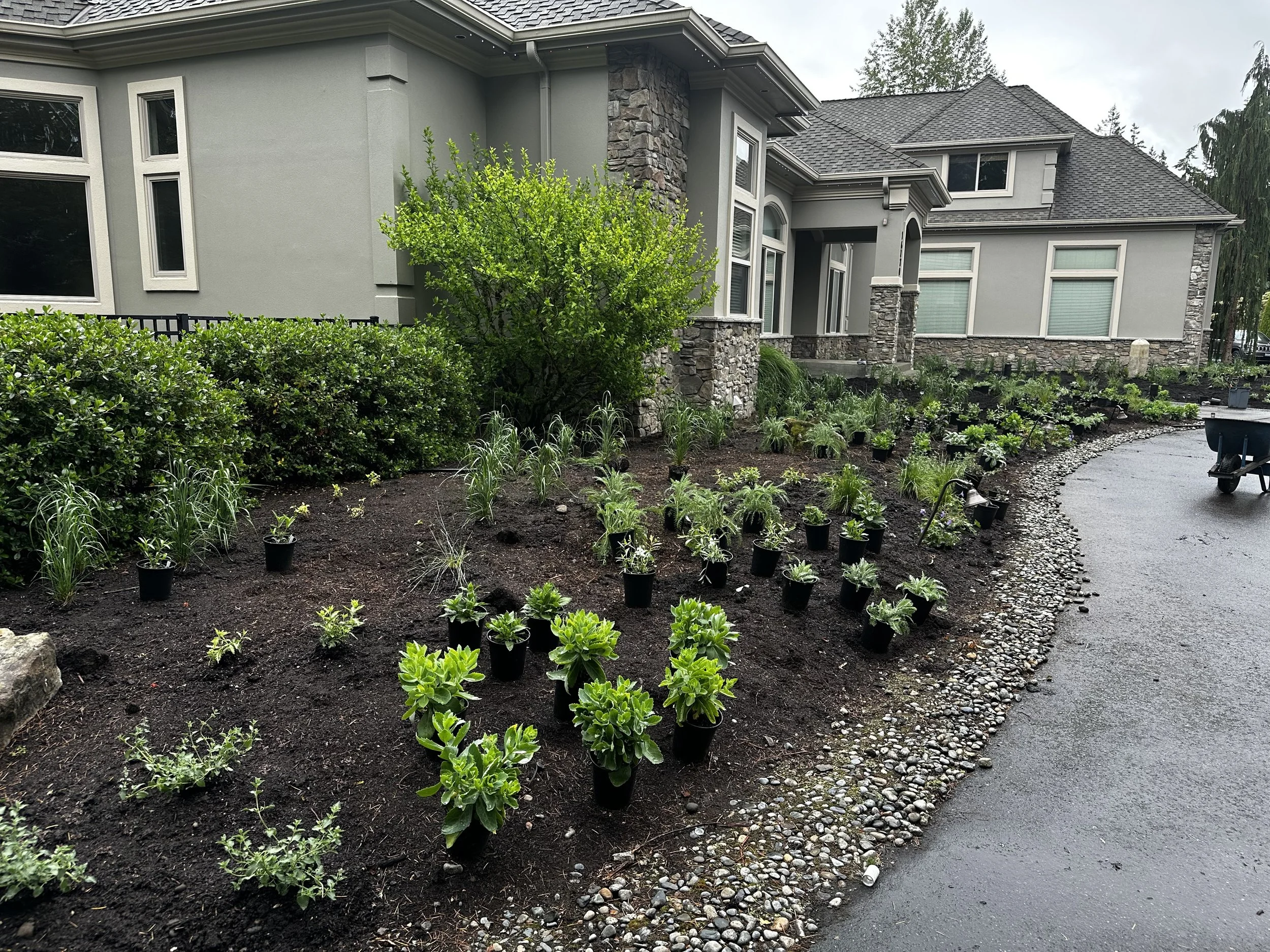
Naturalistic gardens are planted densely using plugs, liners, and 1-gallon plants.
Typical cost:
$5–$15 per plant, depending on size and availability
Instead of paying for instant maturity, you’re investing in:
Strong root systems
Faster establishment
Plants that knit together and suppress weeds naturally
A 1,000 sq ft garden may use 200–400 plants, but total plant cost is often lower than a traditional design using fewer large shrubs.
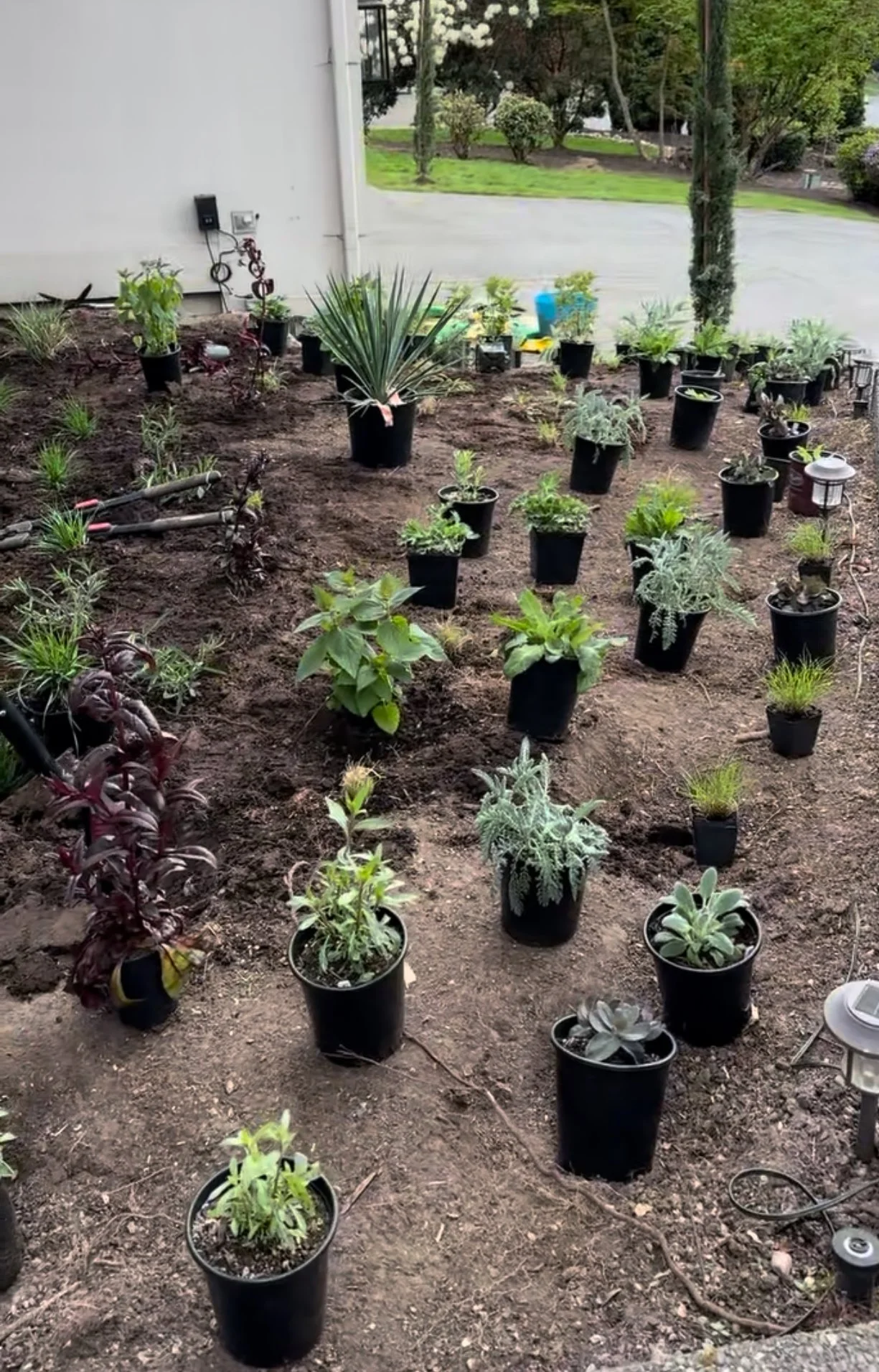
Traditional Landscaping Comparison
5–15 gallon shrubs: $60–$250 each
Trees installed for immediate size
Higher replacement rates
More irrigation and ongoing maintenance
More plants does not mean more cost — it means better coverage and longer-term success.
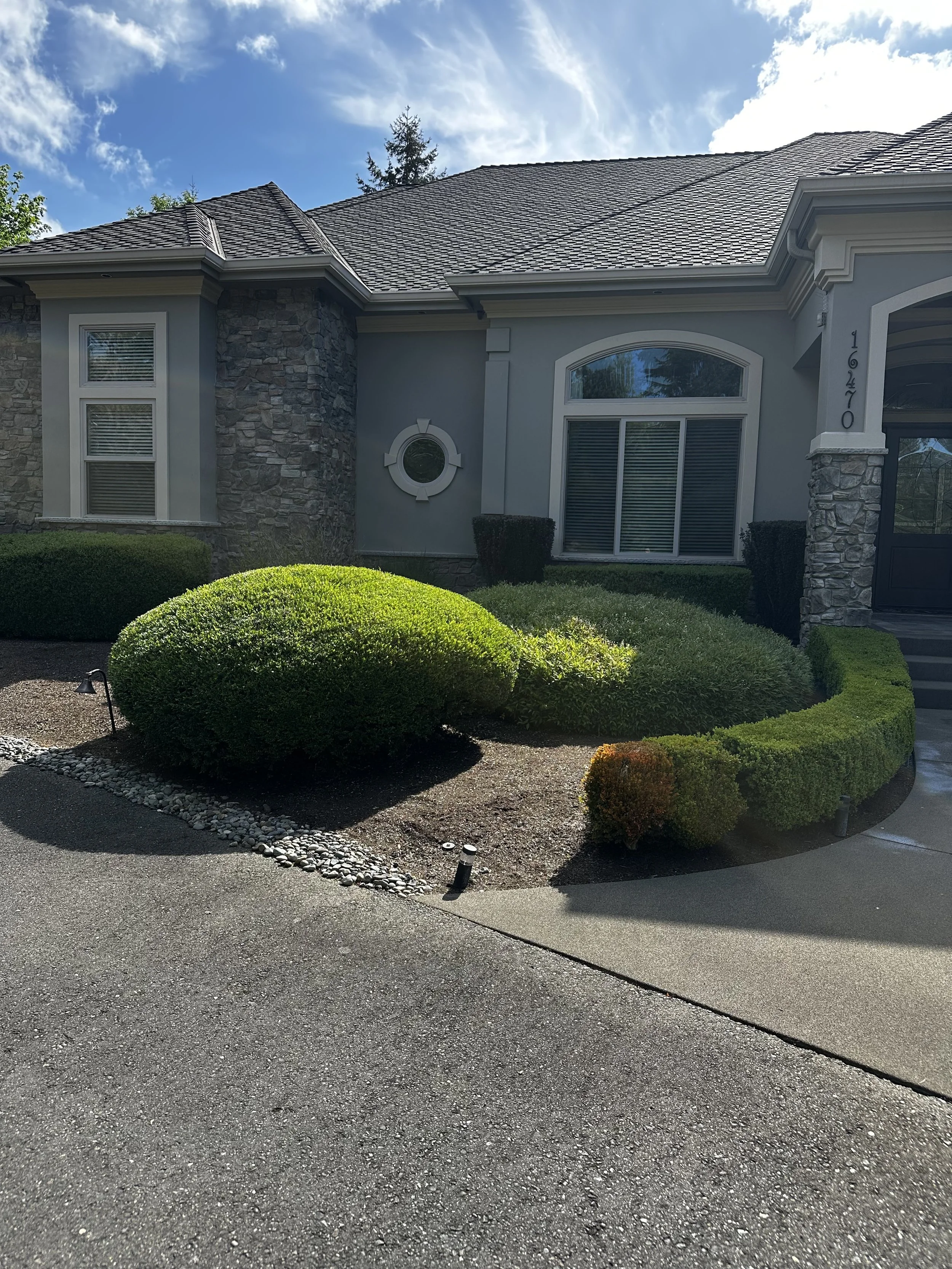
Example Plants From My Starter Package
These are workhorse plants I use again and again in Seattle naturalistic gardens because they’re tough, beautiful, and long-lived.
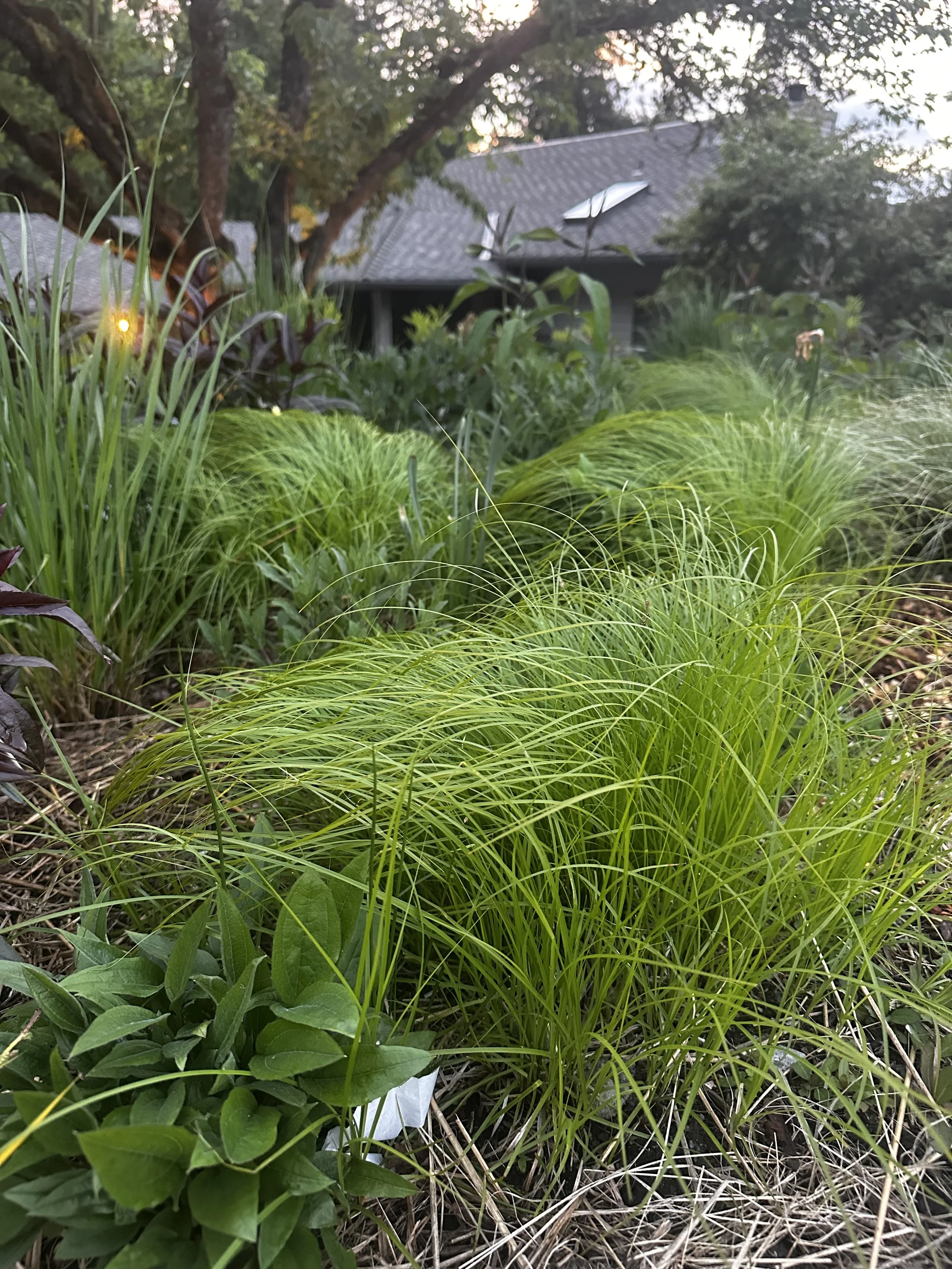
Grasses (Structure + Movement)
Deschampsia cespitosa (Tufted Hair Grass)
Calamagrostis ‘Karl Foerster’
Panicum virgatum (Switchgrass)
Sesleria autumnalis
Perennials (Seasonal Interest)
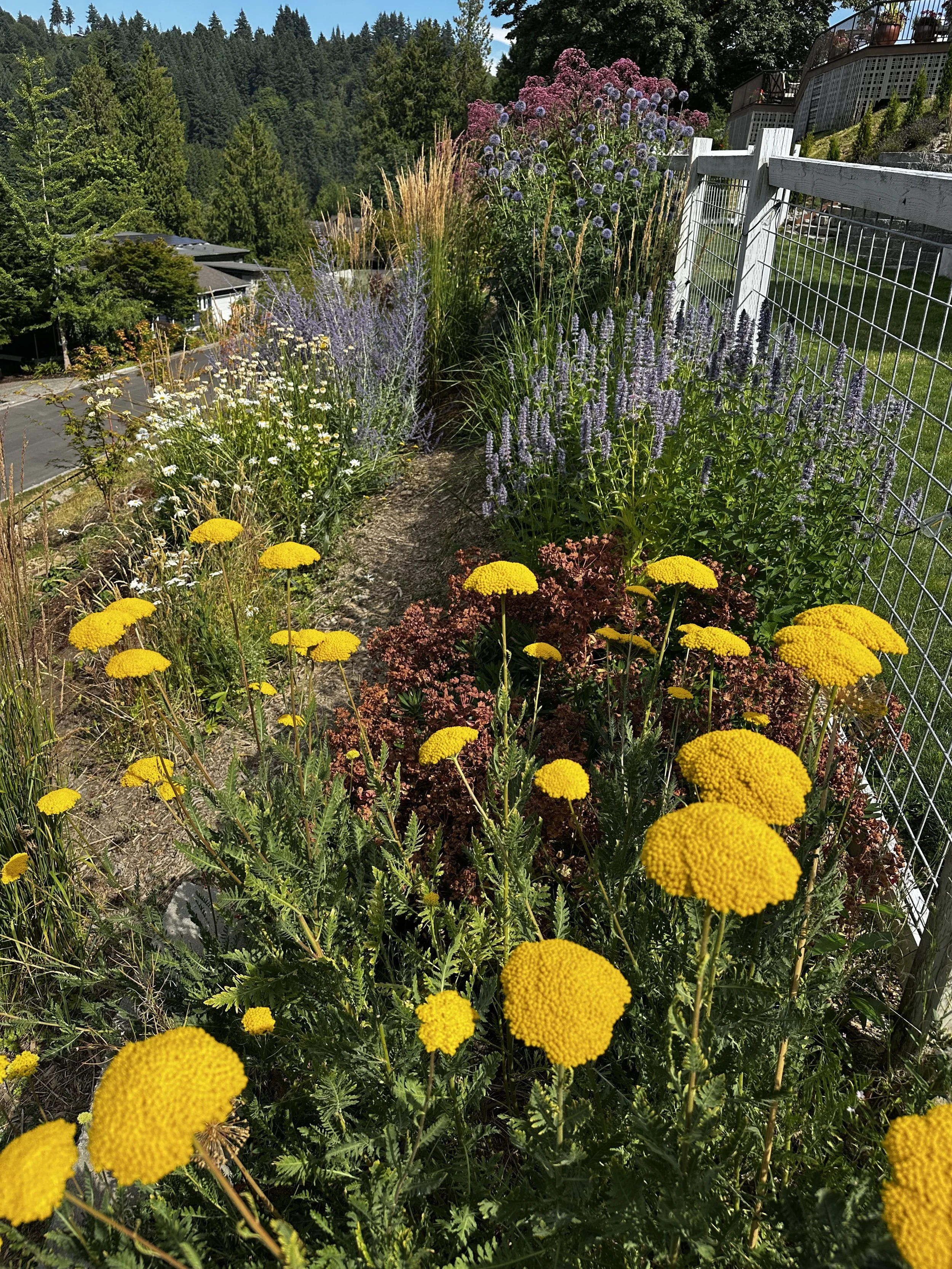
Echinacea (Coneflower)
Salvia
Achillea (Yarrow)
Rudbeckia
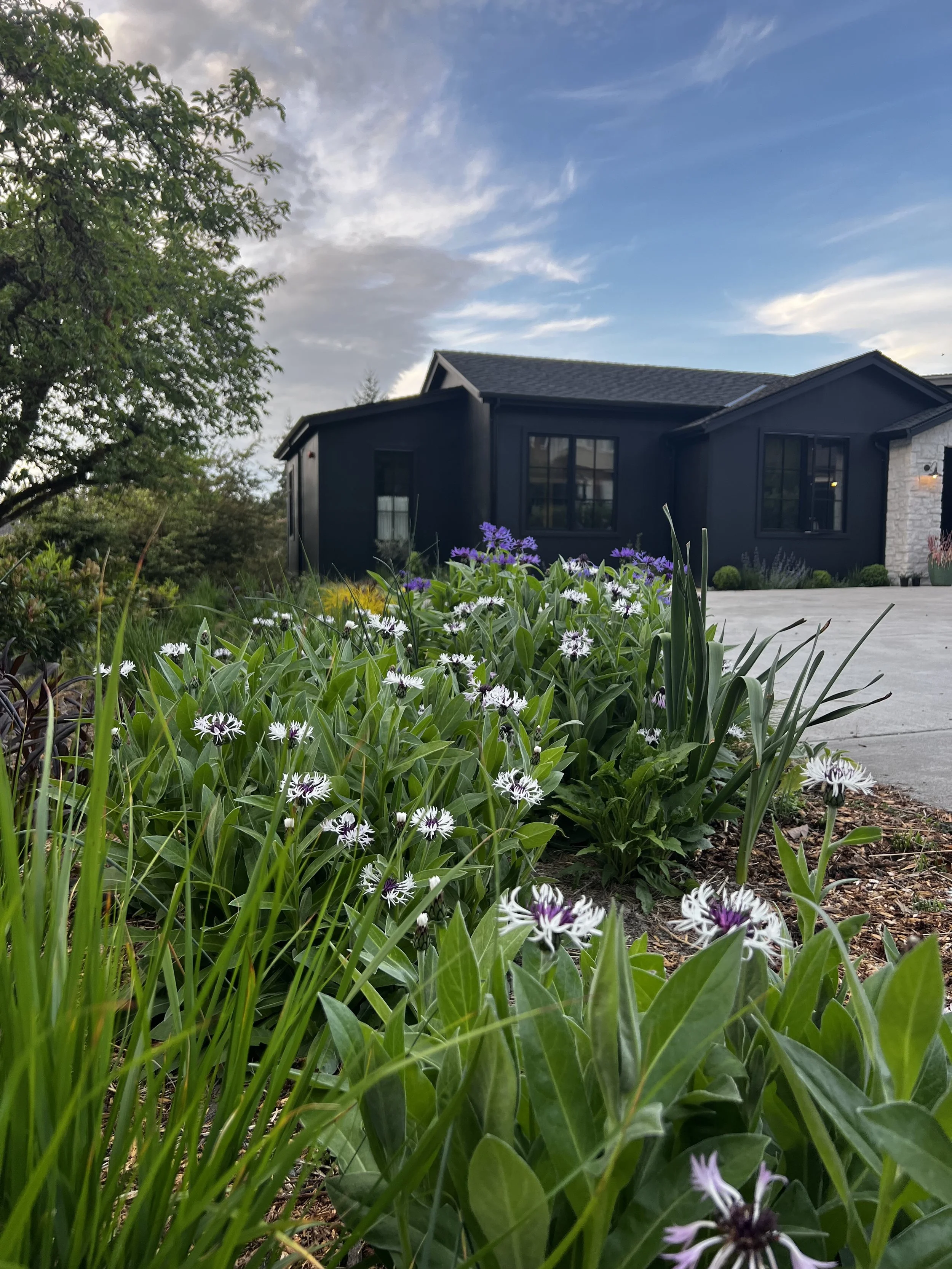
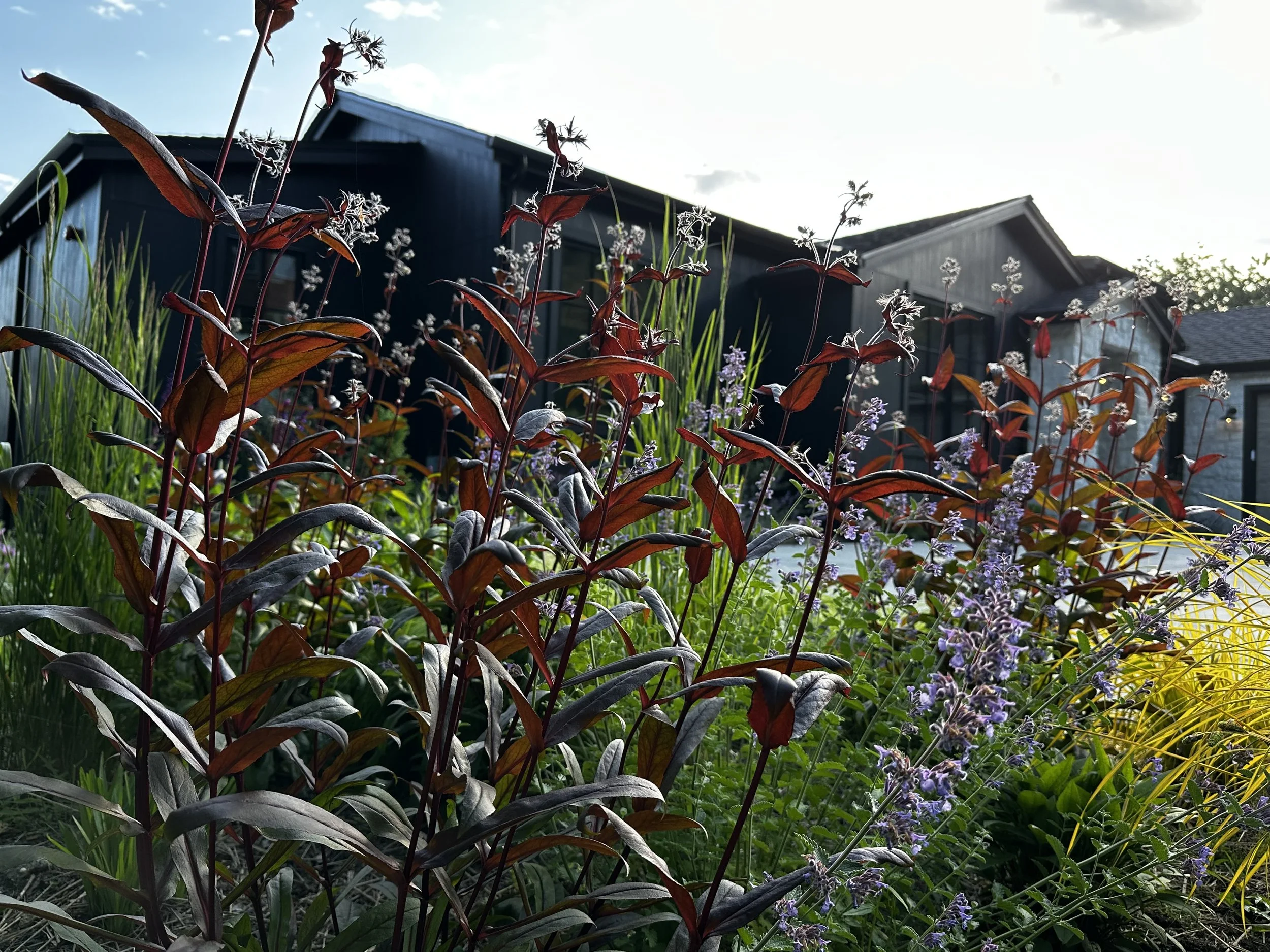
Nepeta (Catmint)
Spring & Early Interest
Alliums
Camassia
Daffodils (naturalized into the matrix)
These plants are chosen not as individuals, but as communities that support each other year after year.
Seattle Cost Breakdown: What to Expect
Small Garden (300–600 sq ft)
$5,000–$9,000
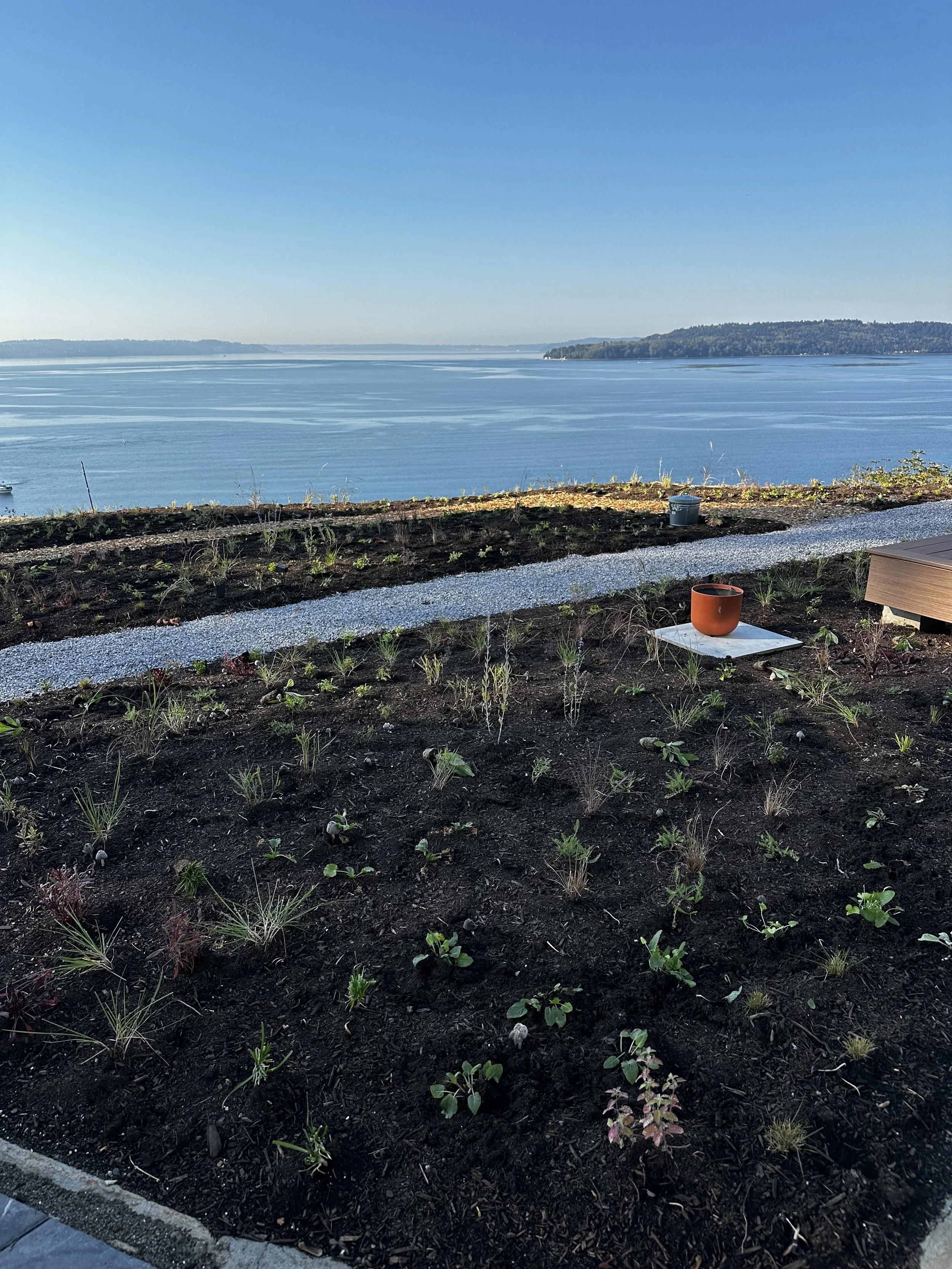
Plug-based planting
Grasses + perennials
Minimal hardscape
Often installed in one phase
Medium Garden (800–1,500 sq ft)
$9,000–$18,000
Layered planting matrix
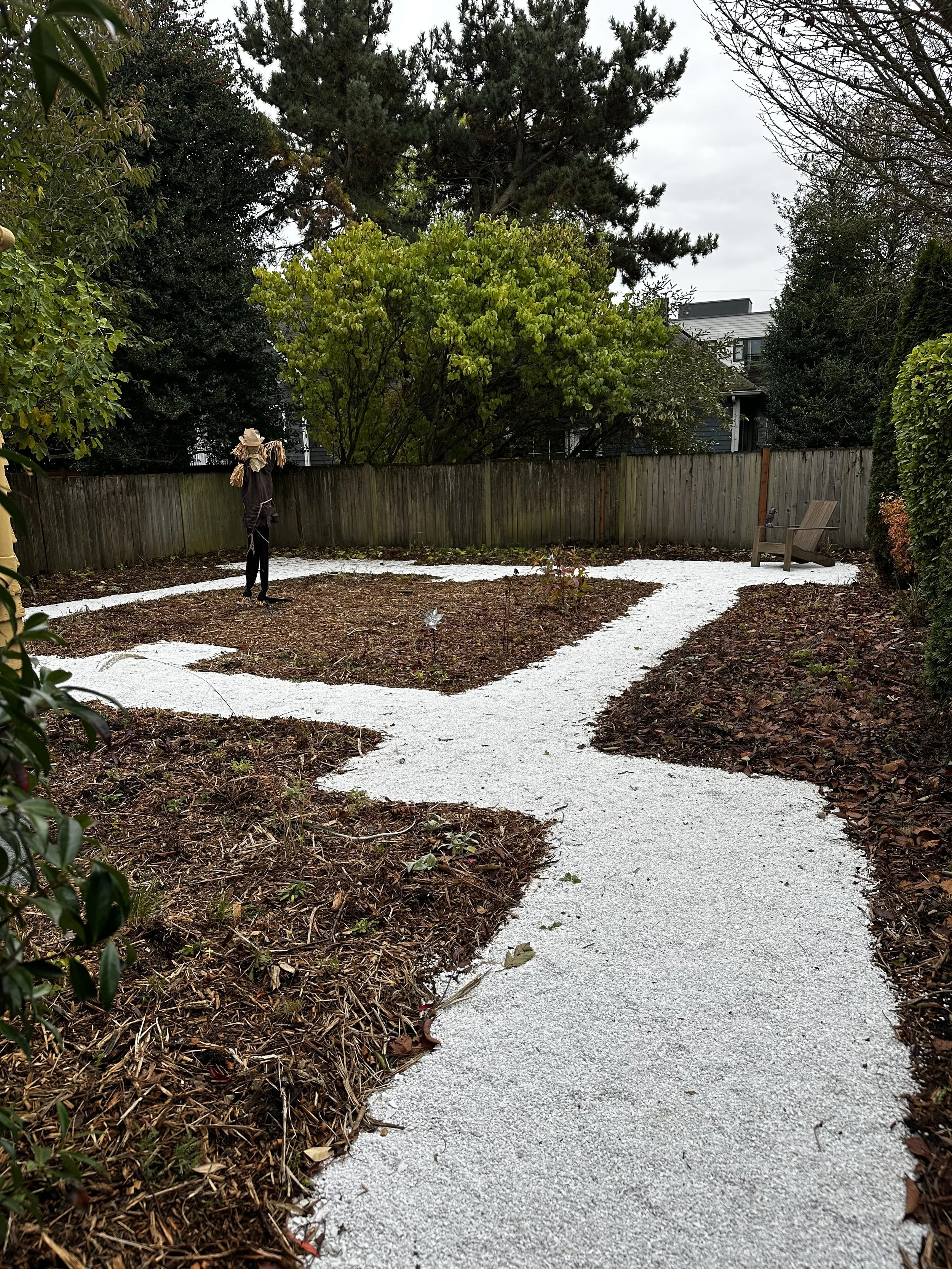
Pathways or patio edges
Small trees and shrubs
Installed in phases if desired
Large Yard or Full Property
$20,000–$35,000+
Meadow-style planting
Multiple outdoor rooms
Gravel Patios, circulation, seating areas
Designed and installed over multiple seasons
Phasing is key — naturalistic gardens don’t need to be built all at once.
Soil, Irrigation & Maintenance Savings
Naturalistic gardens dramatically reduce long-term costs:
Minimal soil amendment
Temporary irrigation during establishment
Little to no annual mulch
Fewer replacements
Less labor every year
Once established, many Seattle naturalistic gardens need only occasional deep watering during summer heat waves.
The Long-Term Cost Advantage
Over 10 years, naturalistic gardens typically cost 30–50% less than traditional landscapes due to:
Reduced water use
Fewer plant replacements
Lower maintenance requirements
Healthier soil over time
And unlike traditional landscapes, they get better every year.
The Biggest Mistake Homeowners Make
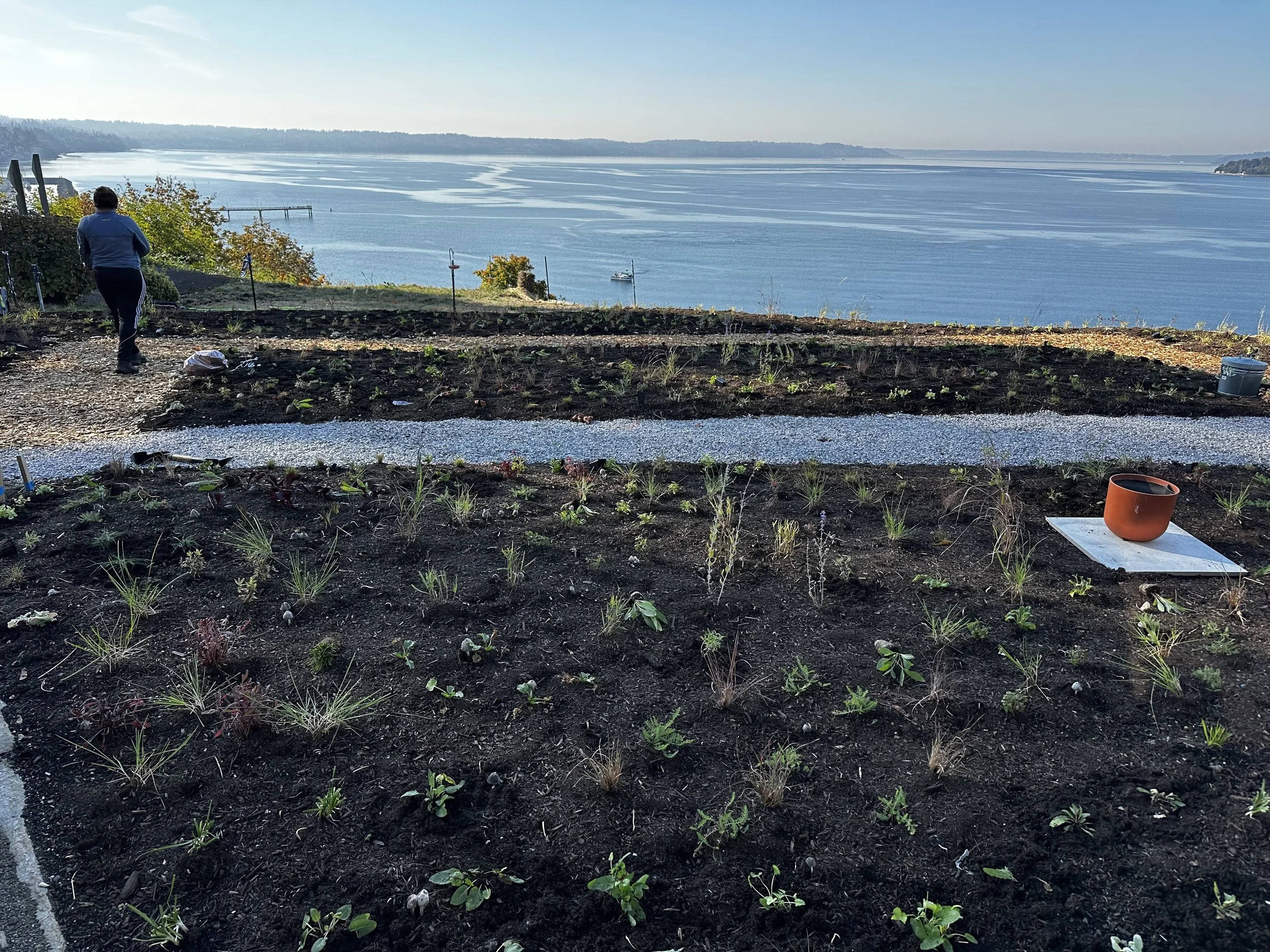
Expecting a naturalistic garden to look “finished” immediately.
These gardens are designed to:
Fill in
Self-support
Evolve with the seasons
Year one is about establishment.
Year two is when it starts to sing.
Year three is when people stop you on the sidewalk.
Final Thought
Replacing traditional landscaping with a naturalistic garden isn’t about spending more — it’s about spending smarter.
You trade:
Shrubs for systems
Lawn for layers
Maintenance for momentum
And you gain a garden that truly belongs in the Pacific Northwest.
