
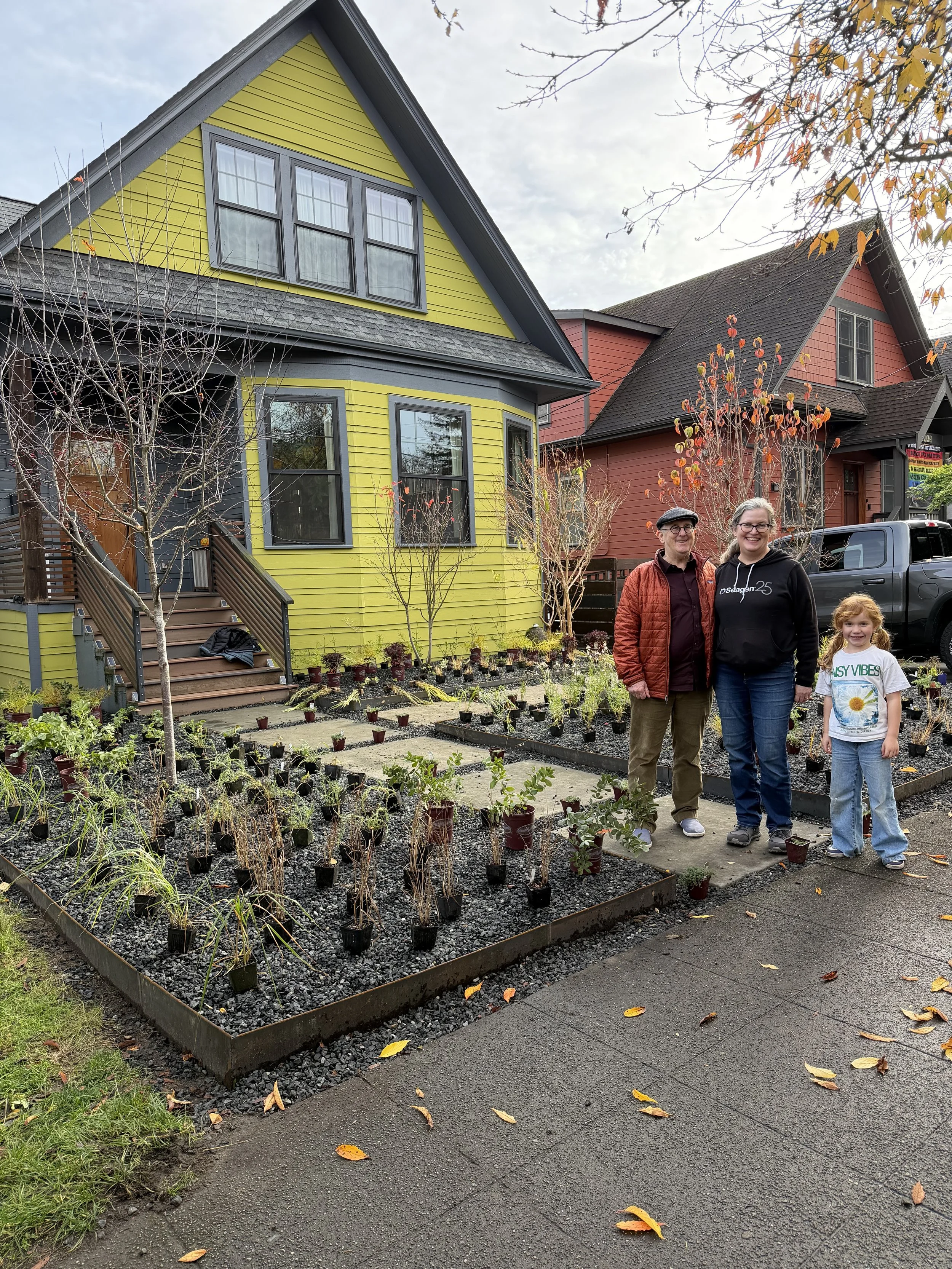
When people look at a finished Piet Oudolf-inspired garden, they usually focus on the soft stuff—the swaying grasses, the purple Salvia, the autumn seed heads.
What they don’t see is the demolition that had to happen first.
In a lot of Seattle neighborhoods, older yards are choked out by overgrown conifers, tired wood borders, black landscape fabric, and spiky cordylines that have completely taken over. Before we can build a four-season matrix garden that actually breathes, we have to edit the site down to clean soil and start with the right architectural bones.
On a recent full-scope residential transformation in a Seattle neighborhood, we did a major reset across six planting zones—clearing out overcrowded trees and outdated hardscape, framing the beds in 8-inch Edge Right Cor-Ten weathering steel, laying 24 cubic yards of washed gravel, and planting 4 new specimen trees surrounded by nearly 580 perennials, grasses, thymes, and mosses. And because we kept the layout clean and modular rather than pouring expensive concrete walls, demolition and installation labor.
Step 1: The Demo (What Had to Go Before Anything Could Grow)
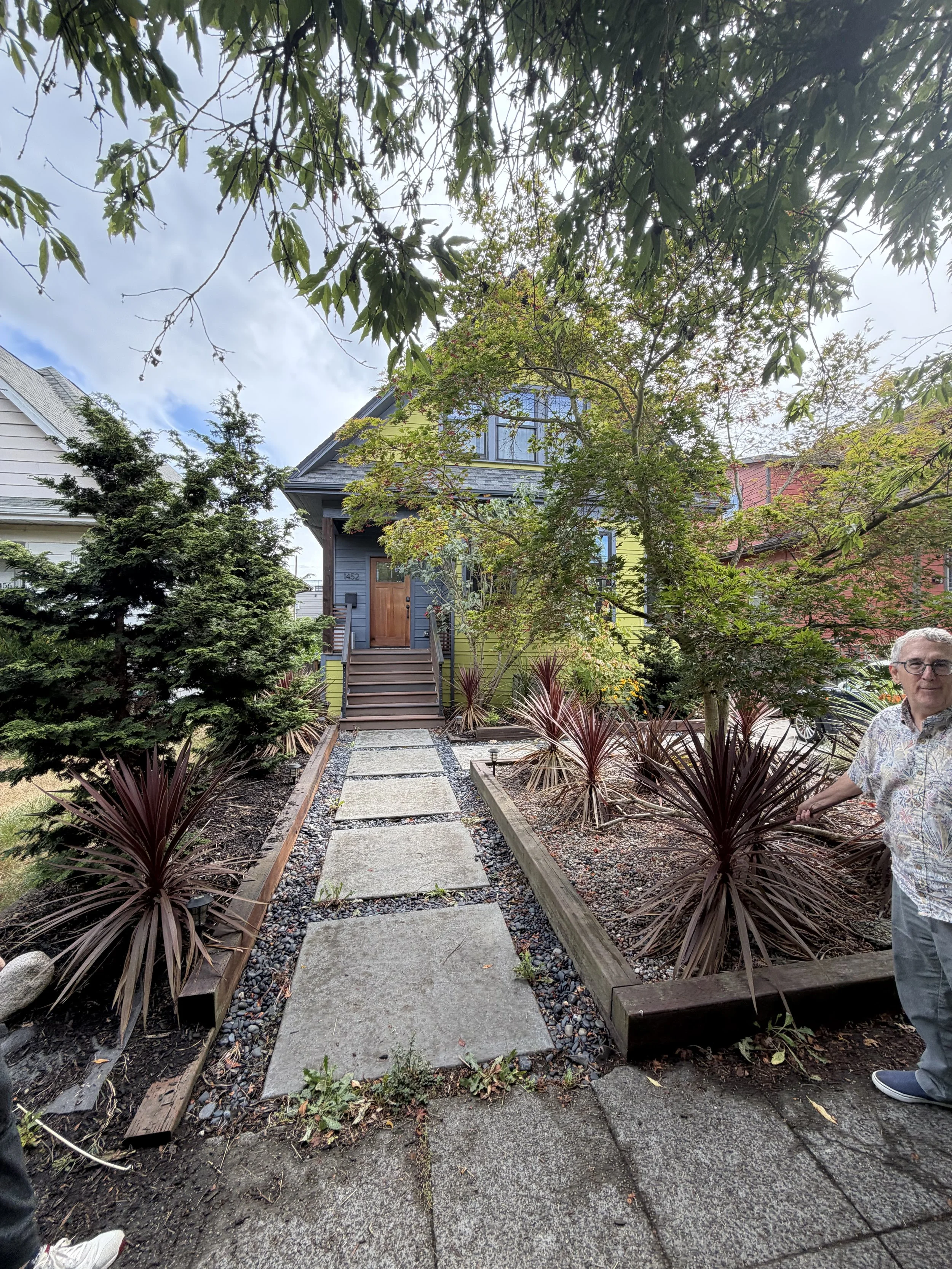
Good garden design is half subtraction. On this property, the existing yard was crowded, dark, and buried under old weed barrier fabric and scattered rock. Here is what we cleared out during site prep:
Felled 4 Cypress Trees & 1 Central Japanese Maple: Four aging perimeter Cypress trees and a poorly placed Japanese Maple right in the middle of the front bed were blocking light and hogging root space—so we took all five down and ground the stumps below grade.
Dug Out 21 Phormiums / Cordylines & Woody Shrubs: We excavated the full root balls of 21 spiky red and green cordylines, two witch hazels, old lavender, and three overgrown ferns, then stripped out 100% of the old wood edging, black river rock, and buried landscape fabric down to clean native soil.
Protected What Mattered & Salvaged the Good Stuff: Not everything got tossed. We carefully protected an existing mature Cherry tree in the lower corner bed, transplanted an intact Daphne shrub, and lifted and divided healthy clumps of 'Autumn Joy' Sedum and 'Walker’s Low' Catmint so they could be woven right back into the new beds. We even carved out a dedicated, level gravel pad with a clean Cor-Ten curb so the utility panel and garbage/recycling cans had a neat home.
Step 2: The 4 Specimen Trees Anchoring the New Garden
Once the yard was stripped back and graded, we brought in four new architectural specimen trees—plus our preserved mature Cherry—to give the property instant height, dappled shade, and four-season structure:
1. Multi-Stem Dogwood (Cornus kousa): Set as the centerpiece of our main 12' × 15'4" textural quad bed, its layered horizontal branching floats right over drifts of Dwarf Fountain Grass, 'Midnight Rose' Salvia, and 'Paprika' Yarrow.
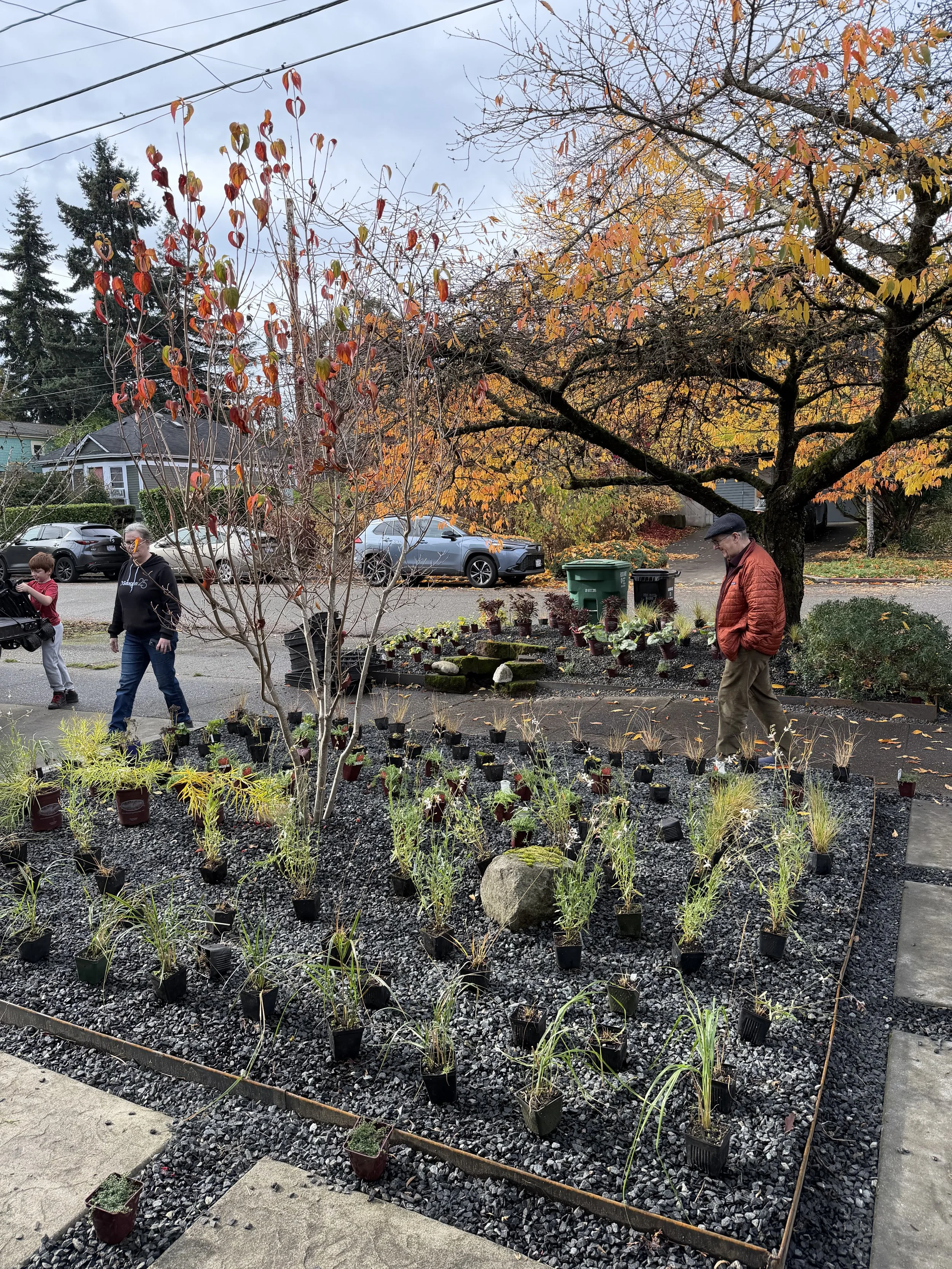
2. Multi-Stem Crabapple: Anchoring the 20' × 9' backdrop meadow bed, it brings spring blossoms and sculptural branching above towering 'Karl Foerster' feather reed grass, Panicum, Agastache, and Gaura.
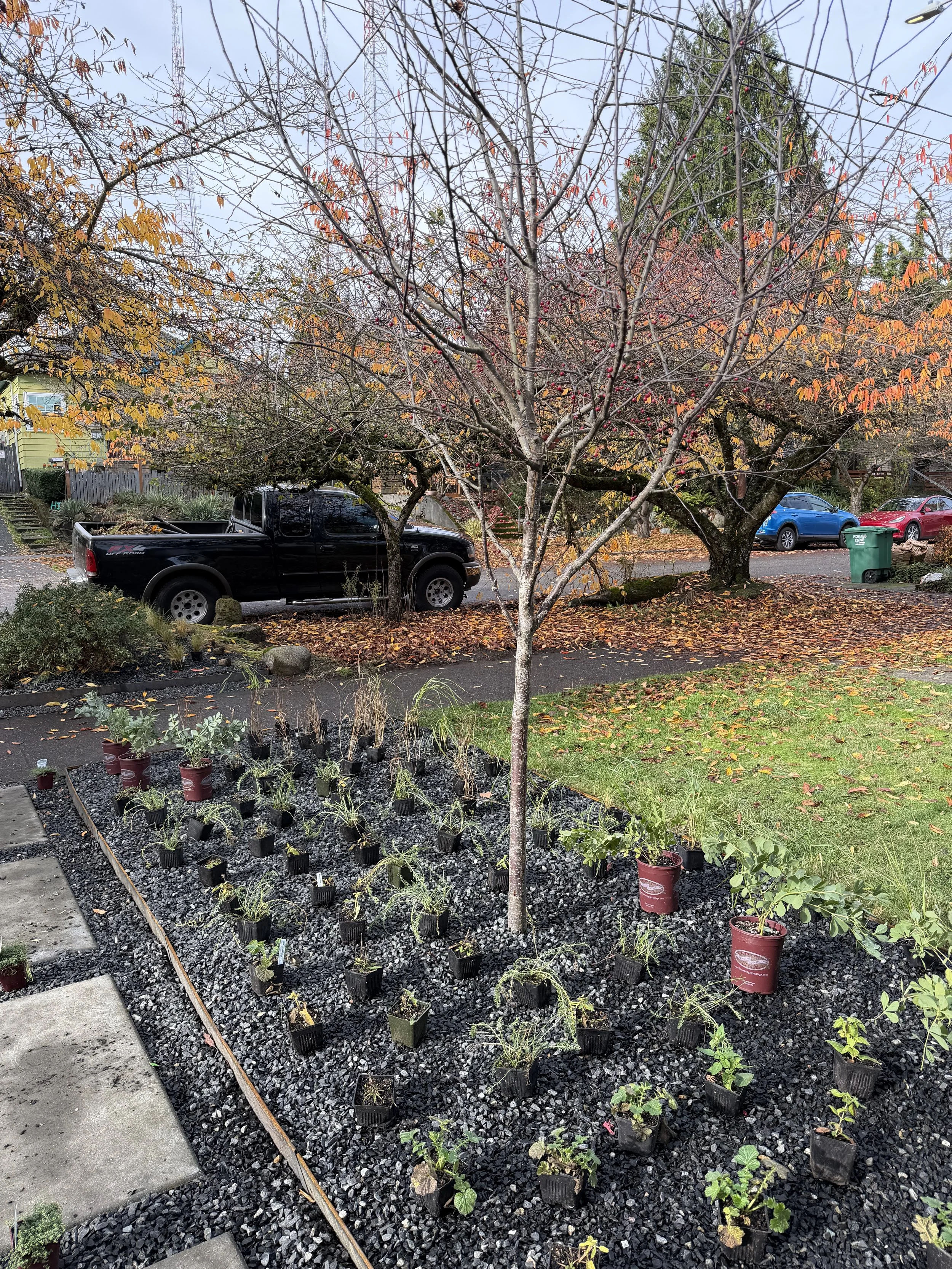
3. Multi-Stem Serviceberry (Amelanchier): Placed at the head of the walkway entry bed, giving us airy white spring flowers, summer berries, and fiery autumn color right where you enter the garden.
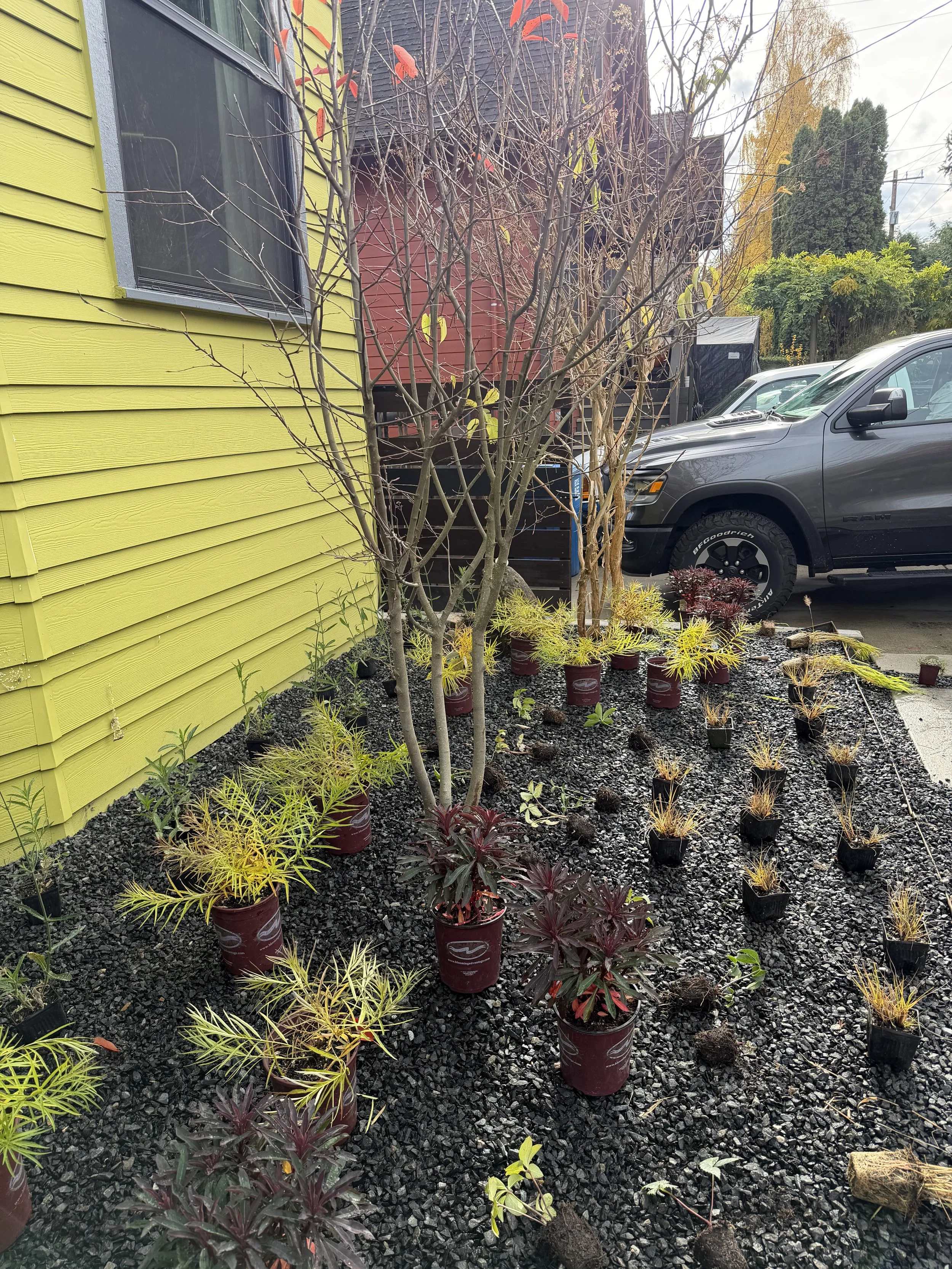
4. Seven-Son Flower (Heptacodium miconioides): Paired opposite the Serviceberry along the entry gateway. It blooms in late summer when almost every other tree is done, followed by bright rose-pink calyxes in fall and peeling bark all winter.
Step 3: Clean Steel, Washed Gravel & ~580 Matrix Plants
With the canopy set, we built out six interconnected beds engineered to handle Seattle’s wet winters and dry Augusts without constant weekend maintenance:
8-Inch Edge Right Cor-Ten Steel Edging (~270 Linear Feet): We used heavy-duty hammer-in Cor-Ten weathering steel strips with connector clips from Edge Right, driving the 2.4-inch anchor teeth into compacted soil so a crisp 5.6-inch solid steel face stands proud above grade. It holds the gravel cleanly inside the beds and sits flush against the slate stepping stones.
24 Cubic Yards of Washed Gravel: We laid a 5-inch blanket of clean 1/4"–3/8" washed gravel across all six beds. Winter rain drains straight through it so roots never sit in cold mud, summer moisture stays locked in underneath, and weeds barely stand a chance.
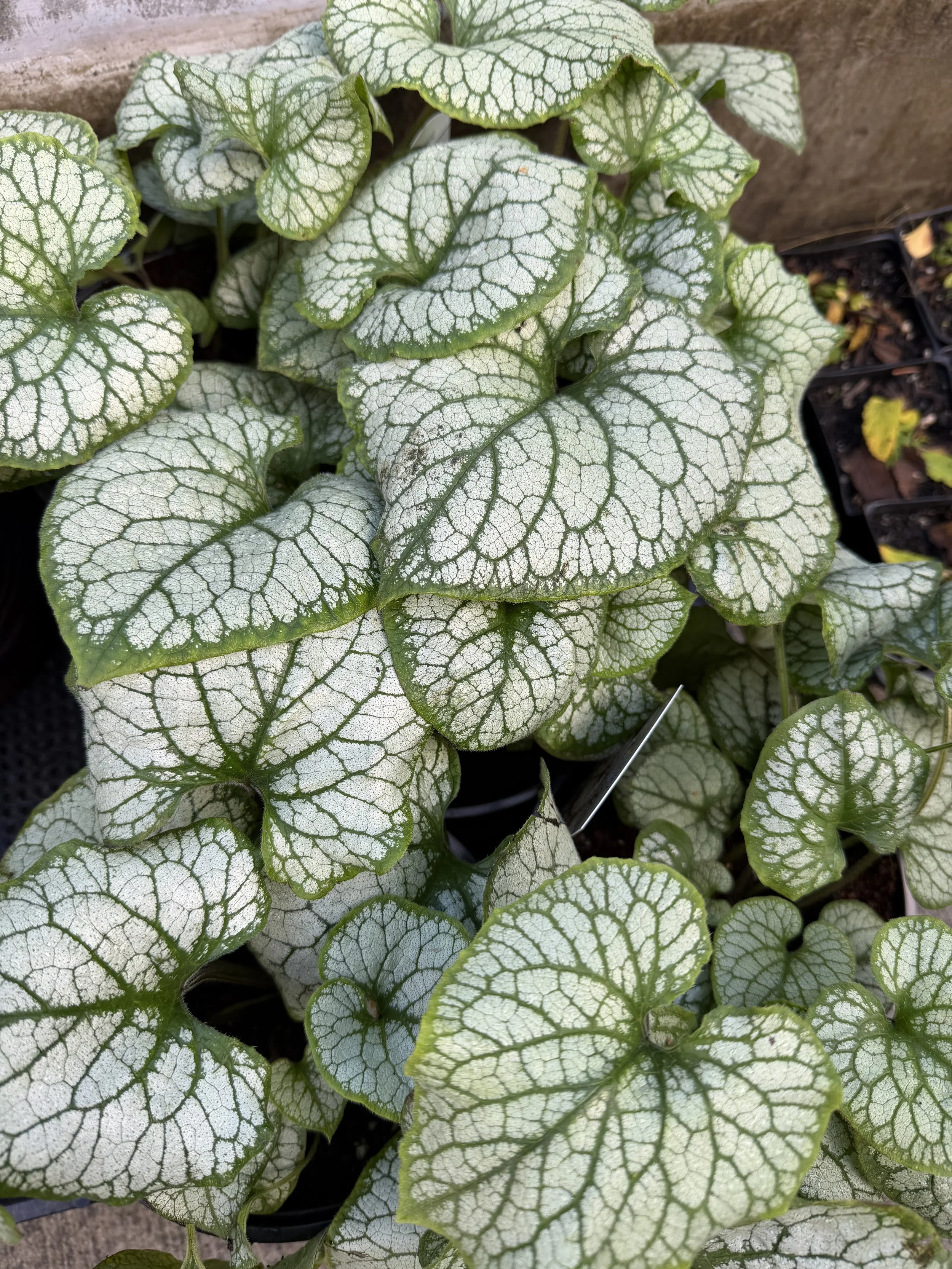
458 Meadow Perennials & Grasses + 121 Thymes & Mosses: Underneath the four new trees and existing Cherry, we planted 458 matrix perennials and grasses—including golden Japanese Forest Grass (Hakonechloa macra), Deschampsia, Brunnera, Adiantum maidenhair ferns, 'Miner's Merlot' Euphorbia, 'Blue Ice' Amsonia, and purple Verbena—plus 121 creeping thymes and mosses tucked right along the slate steppers.
What It Actually Costs to Build (No Fluff)
You don’t need a $90,000 masonry crew to get an architectural, magazine-worthy Seattle garden. By keeping the hardscape focused on clean steel edging, washed gravel, and dense living plants:
Demolition, Site Prep & Installation Labor: (felling 5 trees, grinding stumps, removing 21 cordylines and old fabric, grading, installing edging, spreading gravel, and planting all ~580 plants and 4 specimen trees)
Washed Gravel (24 Cubic Yards @ 5" Depth)
Edging: Heavy-duty Edge Right 8-inch Cor-Ten steel edging with connector clips
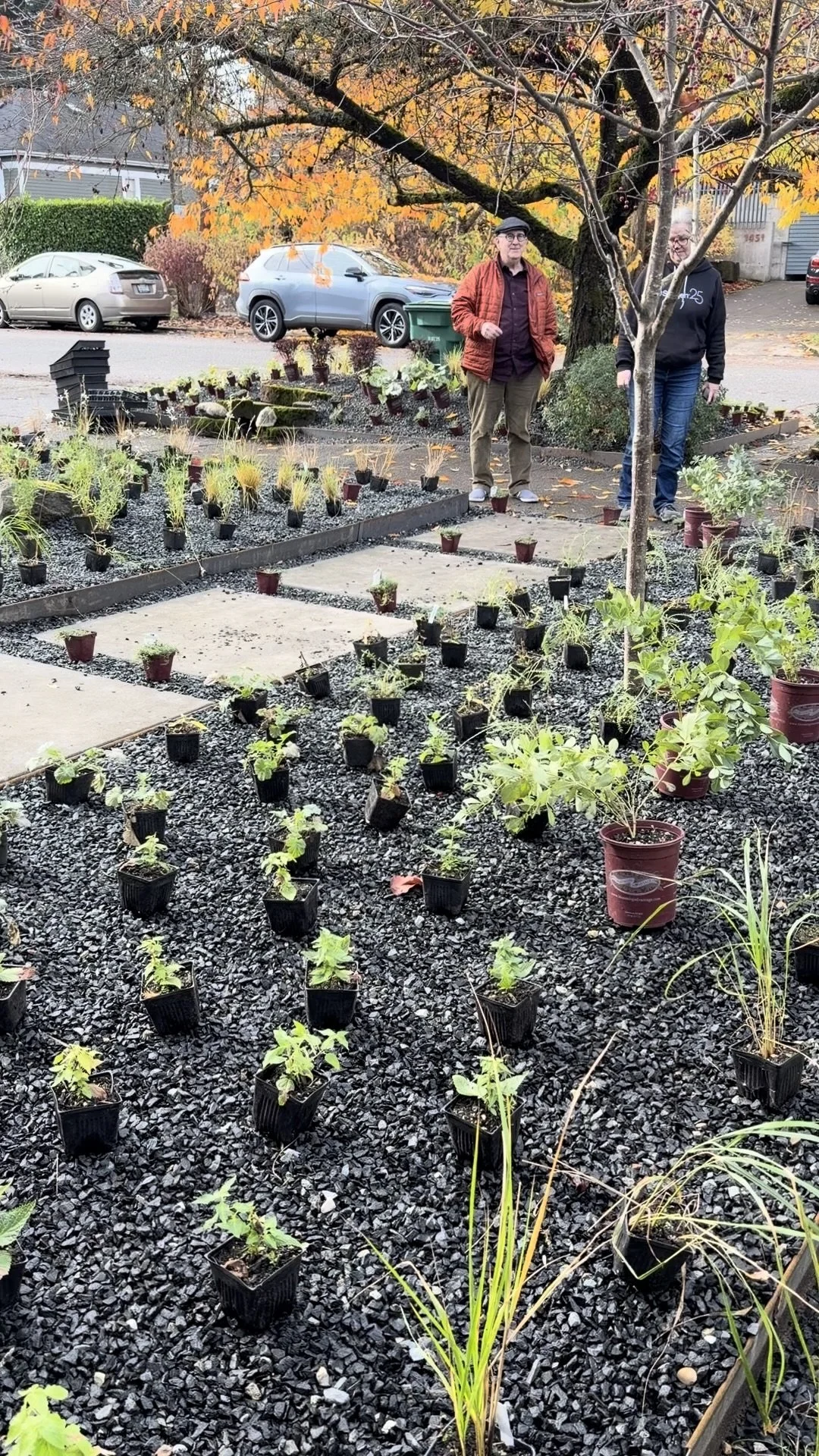
(Plus custom 2D bed-by-bed design blueprints, wholesale nursery plant and specimen tree procurement, and on-site plant placement—where I personally lay out every single pot in staggered drifts before the crew puts a shovel in the ground.)
Planning Your 2027 Garden Transformation?
If your yard is currently choked out by overgrown shrubs, failing wood borders, or high-maintenance lawn, we can edit the space down and build a four-season matrix garden that actually works for real life.
I limit my studio calendar to 3 to 4 custom projects per month so every site audit, planting blueprint, and on-site placement gets my personal attention. Site Planning & Curated Border Packages start at $7,500, and Full-Scope Design, Procurement & Installation Oversight starts at $25,000. Because wholesale specimen trees get claimed early and spring/late-summer slots book 60 to 90 days out, now is the time to get on the calendar for 2027.
👉 Book a design consultation here and tell me a bit about your property and goals.
