
Learn the Seasonal Bloom Symphony that’s possible for Seattle Gardens
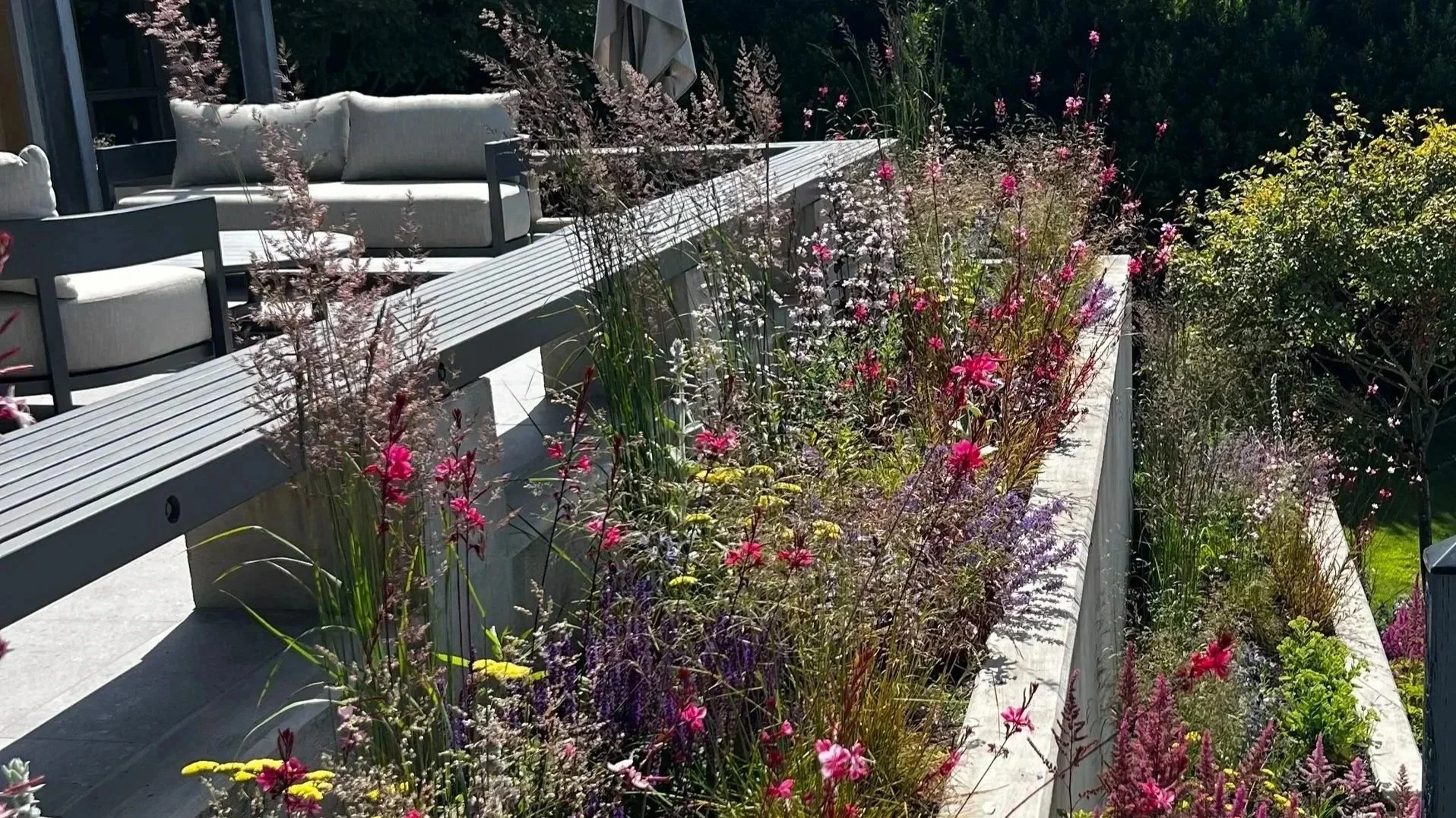
How thoughtful design turns our climate into year-round beauty
One of the greatest gifts of gardening in Seattle is our long, gentle growing season. Unlike harsher climates with abrupt starts and stops, the Pacific Northwest offers a slow build, a lingering peak, and a graceful fade. When designed intentionally, a garden here doesn’t just bloom—it performs, like a symphony unfolding movement by movement.
As a garden designer, my work centers on stretching the seasons—maximizing bloom time, texture, and interest so a garden feels alive and evolving from late winter through fall, and still beautiful in winter rest.
Designing for Duration, Not Just a Moment
Many gardens are planned around a single “wow” season—usually summer. But a truly successful Seattle garden is designed for continuity. That means thinking in layers, overlaps, and transitions rather than isolated bursts of color.
I design gardens to answer this question:
What is happening here in March… in June… in October… and even in January?
That approach transforms a yard into a living landscape rather than a static planting.
Spring: The Overture (February–April)
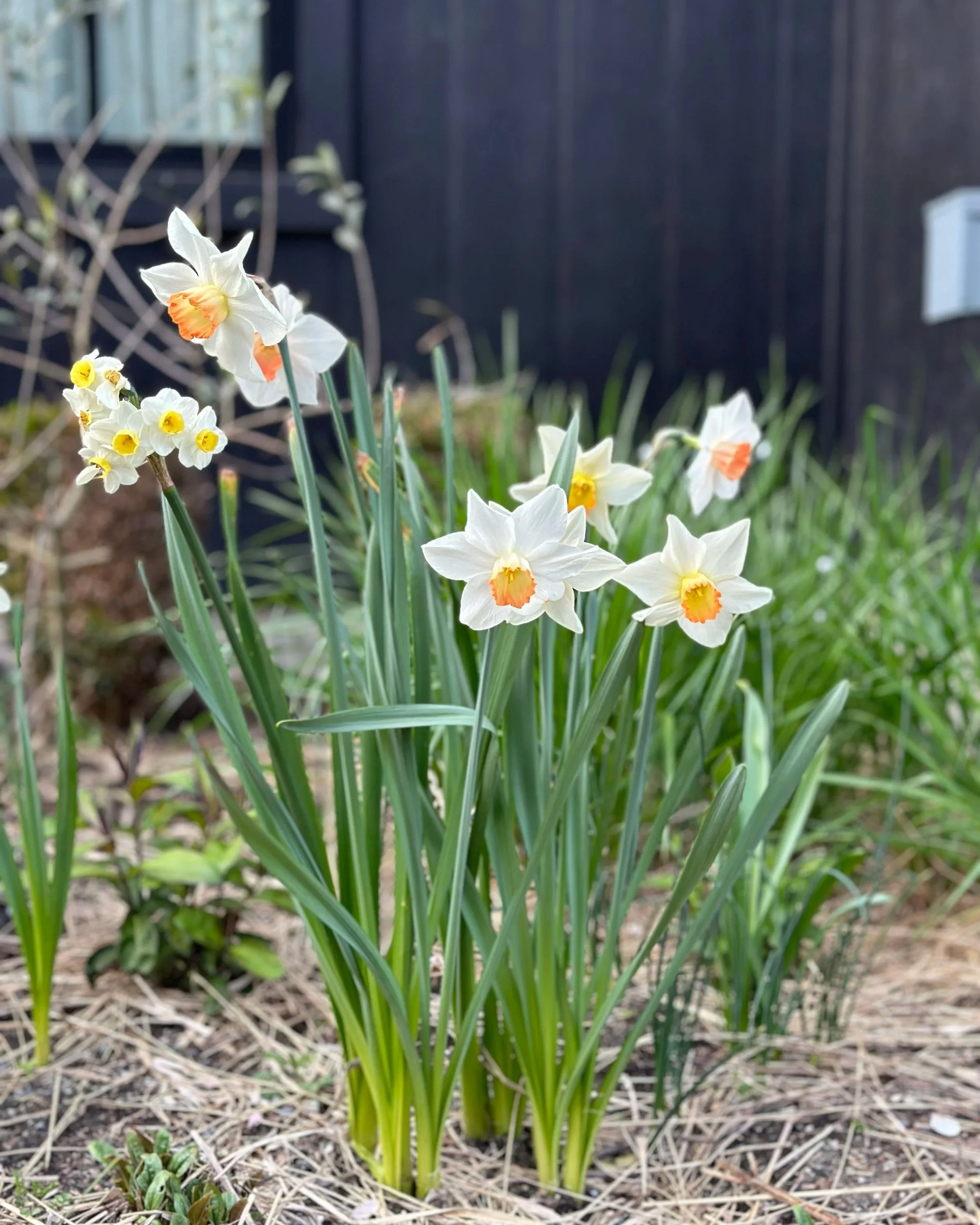
Spring in Seattle starts quietly and earlier than most people expect. This is where bulbs and early perennials do their most important work.
Snowdrops, crocus, daffodils, and species tulips emerge when the garden is still mostly asleep
Hellebores, epimedium, and early woodland plants provide structure and color
Fresh green growth from grasses and perennials signals what’s to come
Spring isn’t about volume—it’s about anticipation. These early notes set the tone for the entire year.
Early Summer: The Crescendo Begins (May–June)
This is when the garden starts to swell.
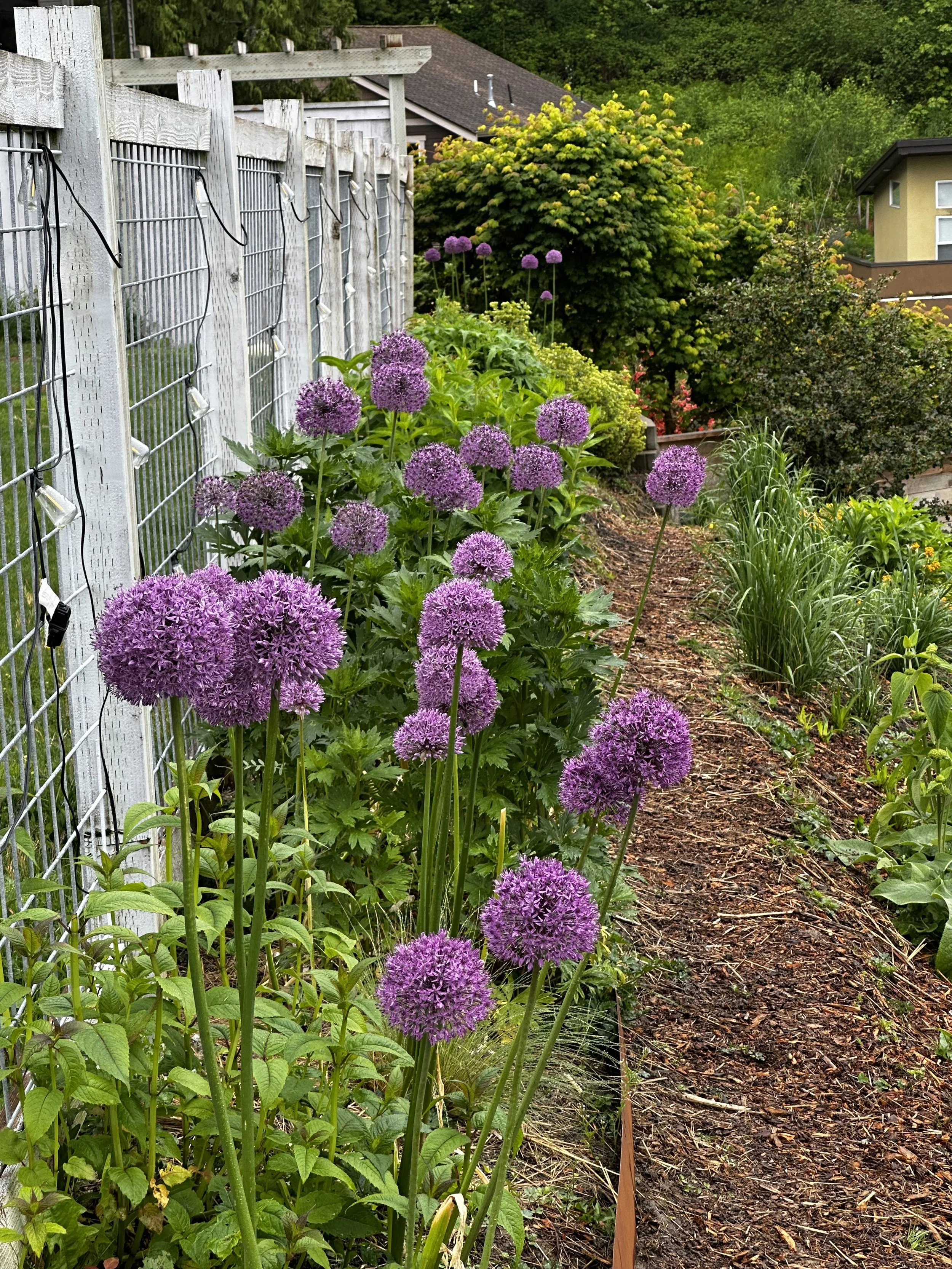
Alliums rise above emerging perennials
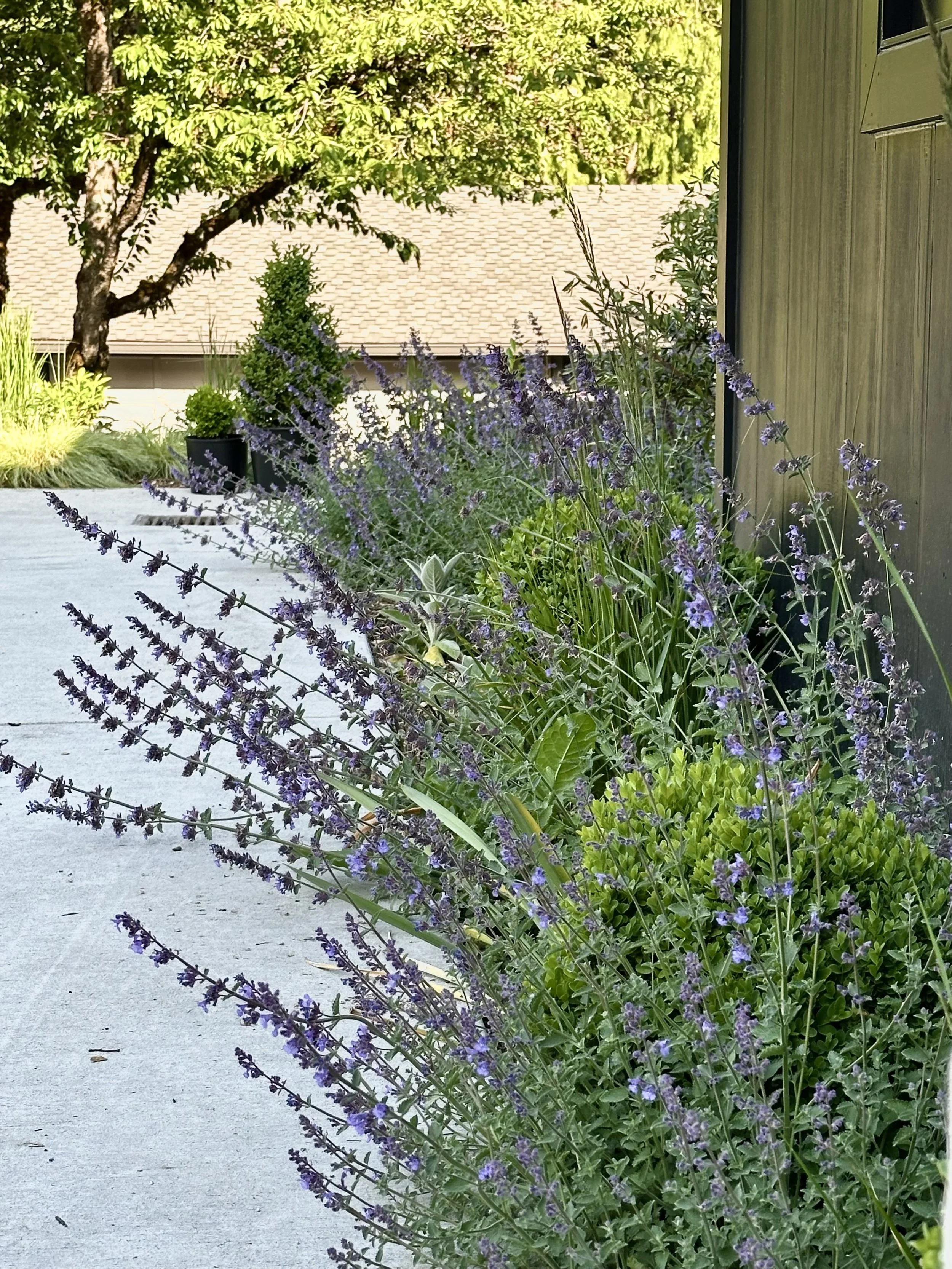
Geraniums, nepetas, salvias, and geums bridge spring into summer
Grasses gain height, softening edges and adding movement
The key here is overlap. Spring plants aren’t removed or hidden—they fade gracefully as summer performers step forward.
High Summer: Full Harmony (July–August)
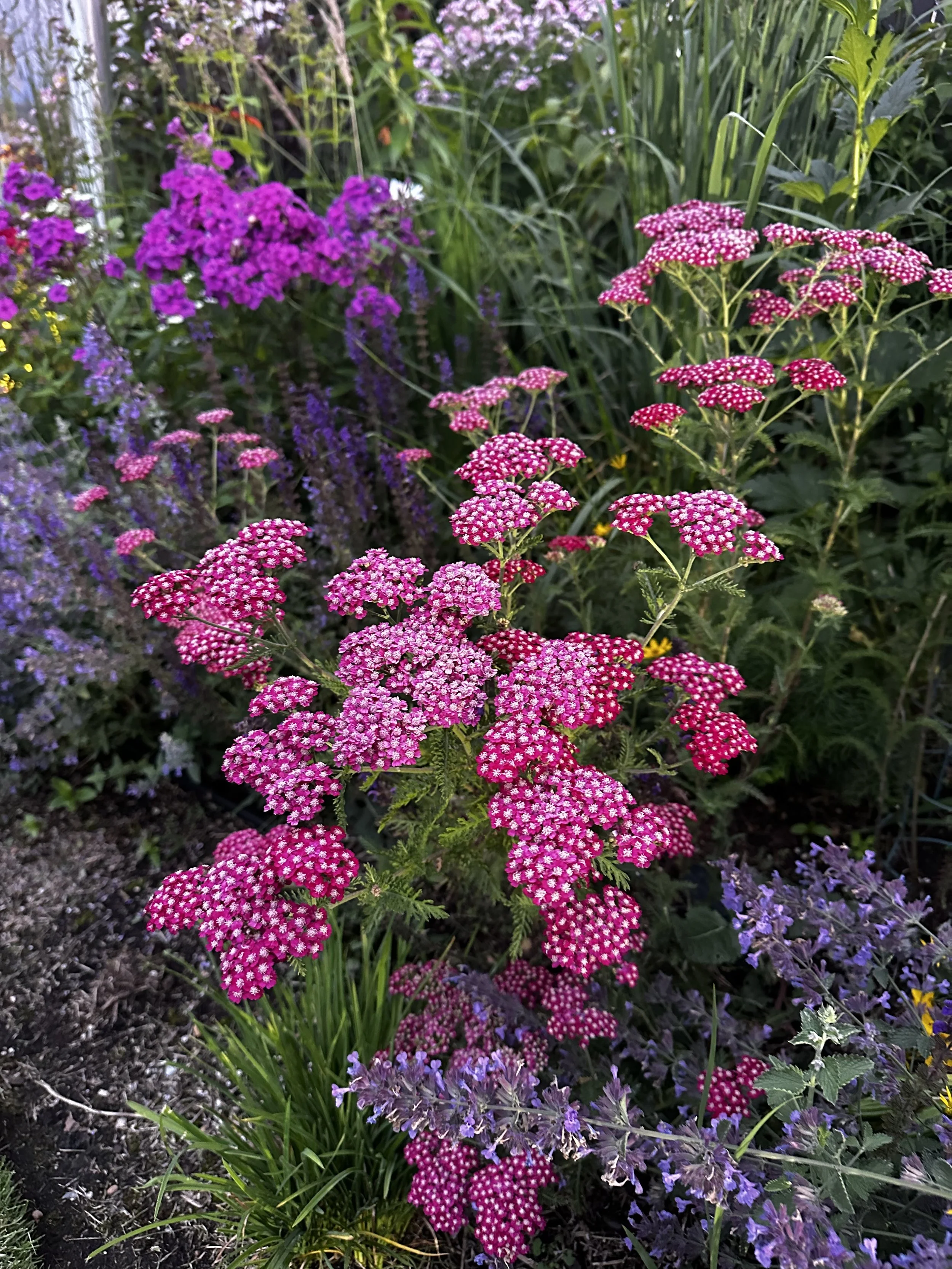
Summer is where many gardens peak—but in my designs, it’s never the end goal.
Perennials like echinacea, agastache, gaura, and sea holly carry color for weeks
Grasses become essential, weaving everything together
The garden feels immersive, layered, and dynamic rather than overly manicured
Instead of tight, high-maintenance beds, I favor naturalistic compositions where plants support one another and fill space intelligently.
Late Summer & Fall: The Long Finale (September–November)
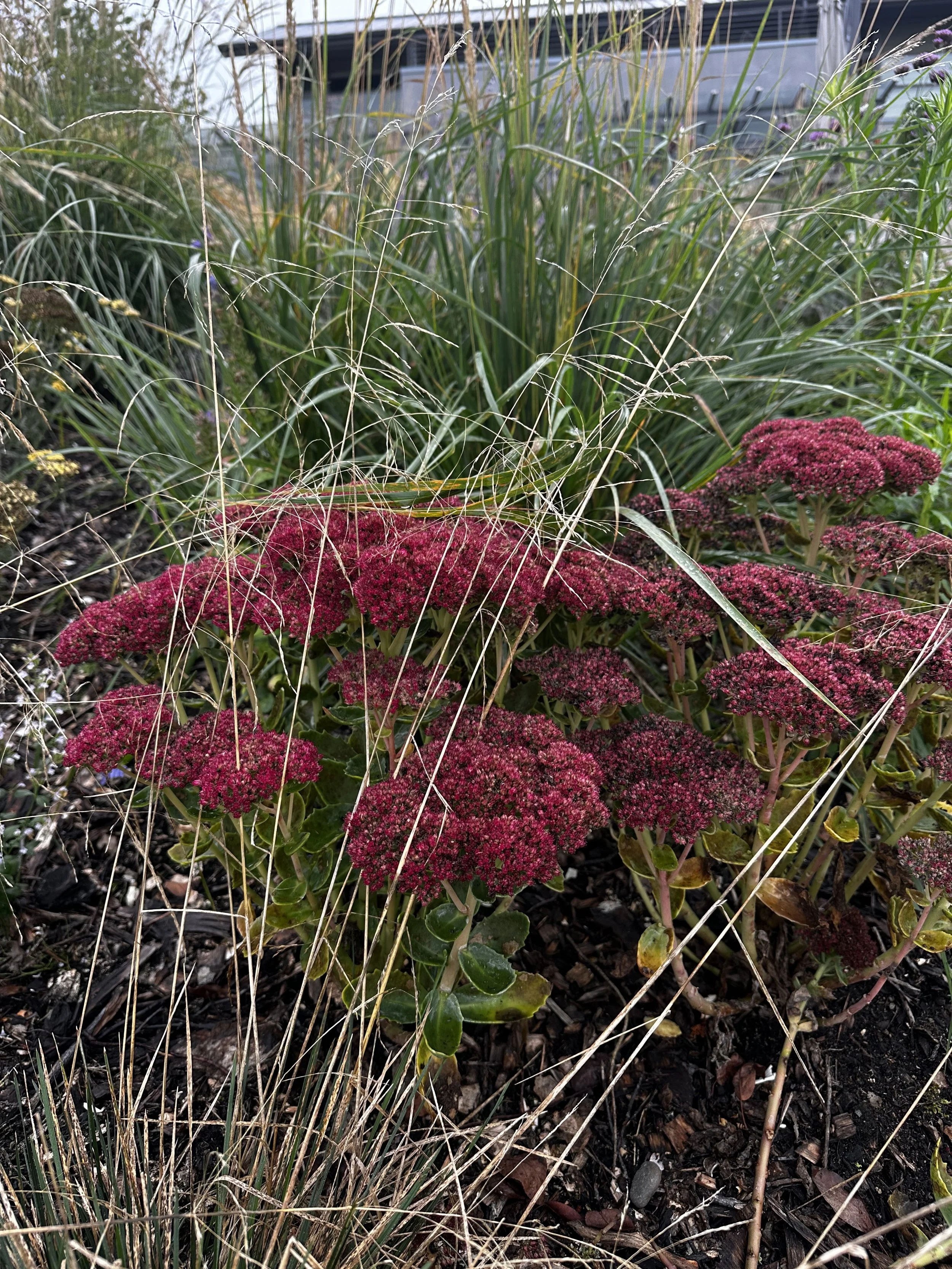
This is where Seattle gardens truly shine—and where thoughtful design makes all the difference.
Seed heads replace flowers without losing beauty
Grasses glow in low autumn light
Late bloomers extend color far beyond expectations- like Joe Pye Weed, Perovskia, Parker’s Variety Yarrow and Verbena Bonariensis
Rather than cutting everything back, I let plants finish their story. The garden becomes warmer, deeper, and more textural as the days shorten.
Winter: Structure, Stillness, and Promise
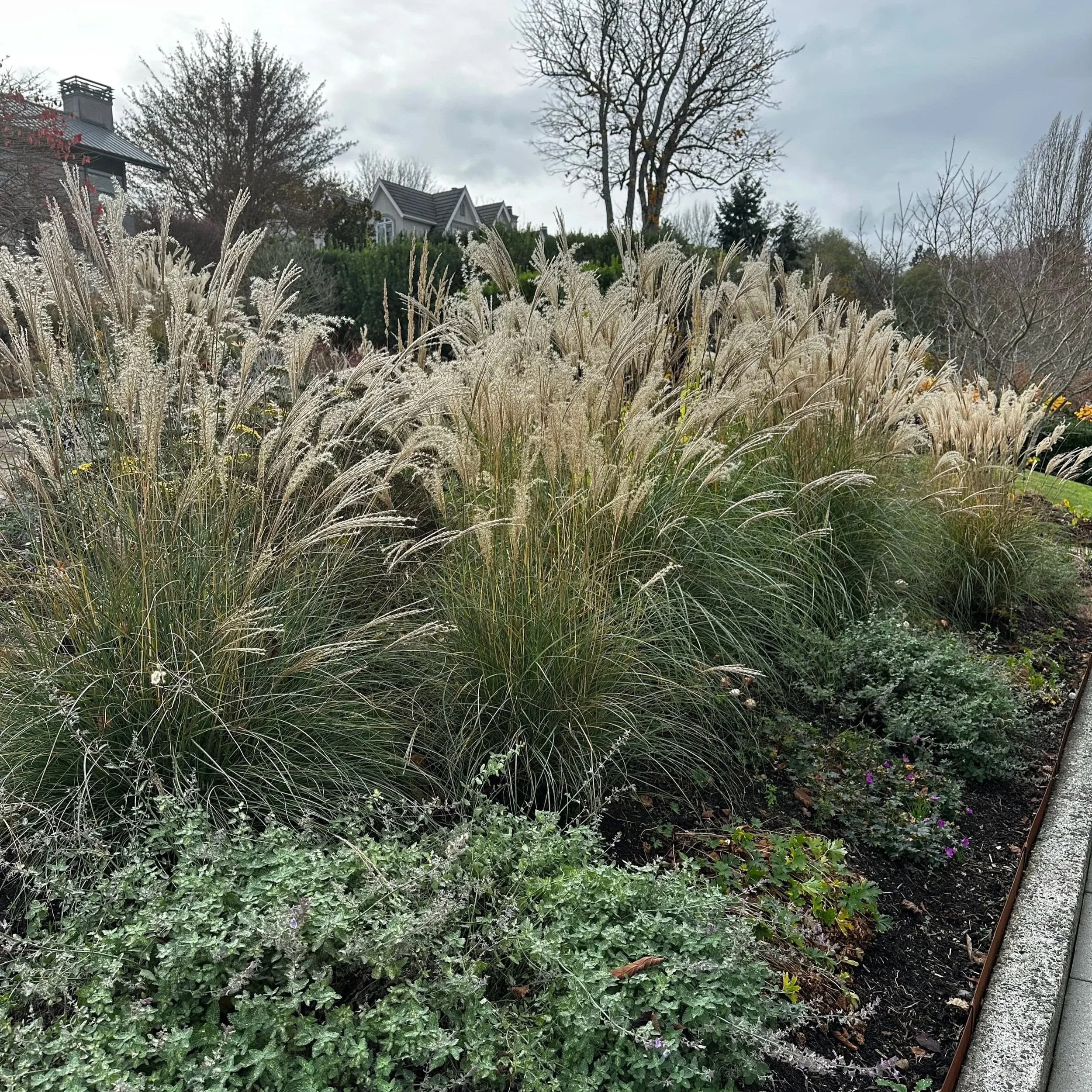
A garden doesn’t disappear in winter—it simply changes tempo.
Standing grasses catch frost and light
Seed heads add architecture
Evergreens and woody perennials anchor the space
Winter is about form and restraint, and it’s essential for making spring feel exciting again.
Why This Matters
Designing for extended seasons isn’t just about beauty—it’s about sustainability, ease, and connection.
Fewer replacements and less constant replanting
Reduced maintenance through smart plant choices
A garden that feels alive most of the year, not just a few weeks
Every garden I design begins with this philosophy:
A successful Seattle garden should reward you again and again, not all at once.
A Garden That Grows With You
The most compelling gardens are not instant—they mature, deepen, and improve over time. When designed with seasonal rhythm in mind, each year becomes richer than the last.
If you’re dreaming of a garden that feels intentional, natural, and beautiful across the seasons, that’s where my work begins—listening to the site, honoring our climate, and composing a landscape that truly sings.
Explore more Pacific Northwest gardens and design philosophy at www.shanellerabichev.com 🌿
