
The Rules Landscape Designers Follow And Why They Matter for Seattle Gardens Part 2: Planting for Longevity in the Pacific Northwest
Planting in Seattle isn’t about novelty or color explosions. It’s about plants that perform consistently, hold structure through winter, and improve with time.
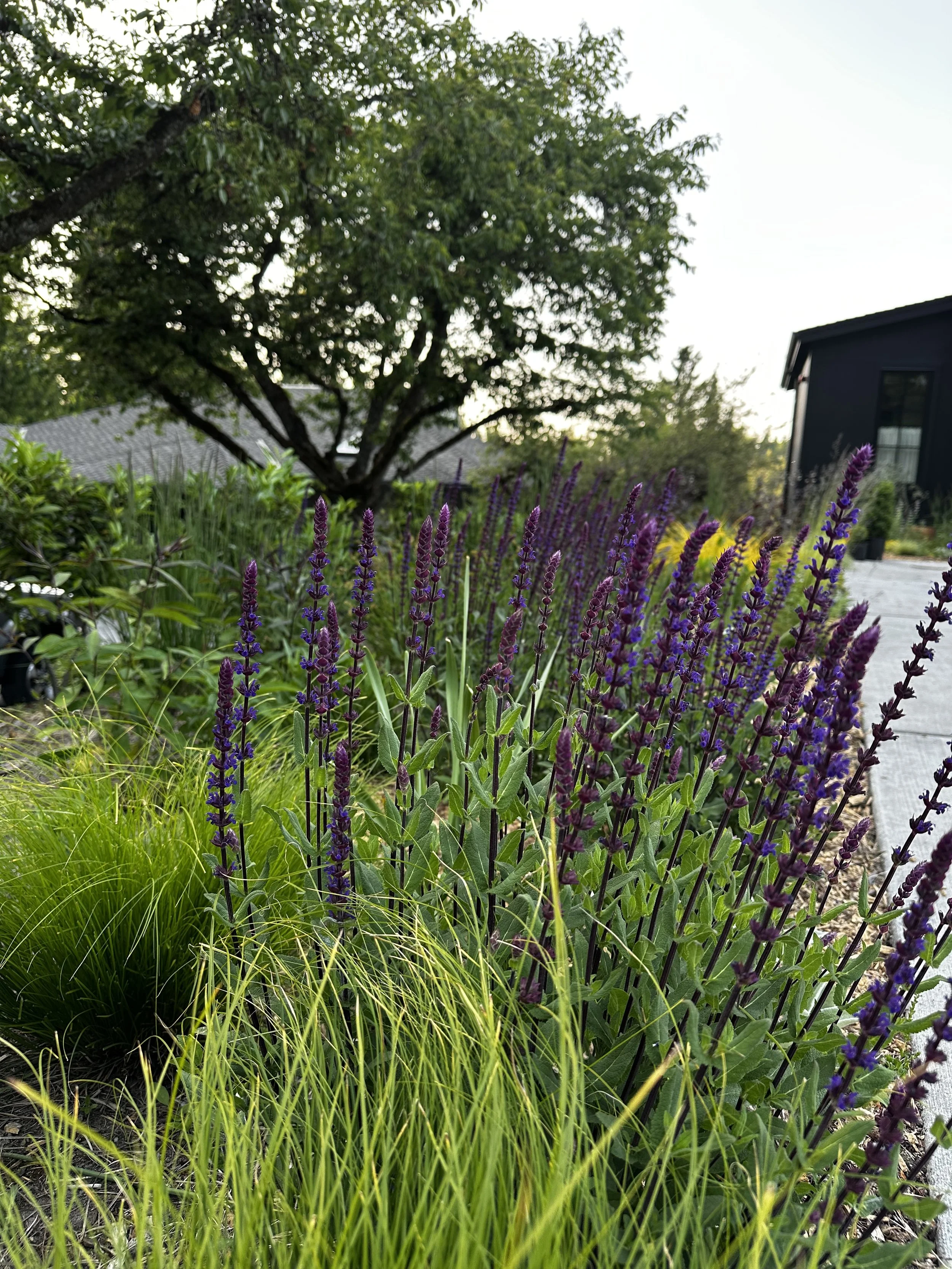
6. Repetition creates calm
Gardens with too many plant varieties feel restless, especially on smaller urban lots. Repeating a limited palette creates rhythm and helps the garden read as a single composition instead of a collection of experiments.
This is especially important in Seattle, where winter strips gardens down to structure and texture. Repetition ensures the garden still feels intentional when flowers are gone.
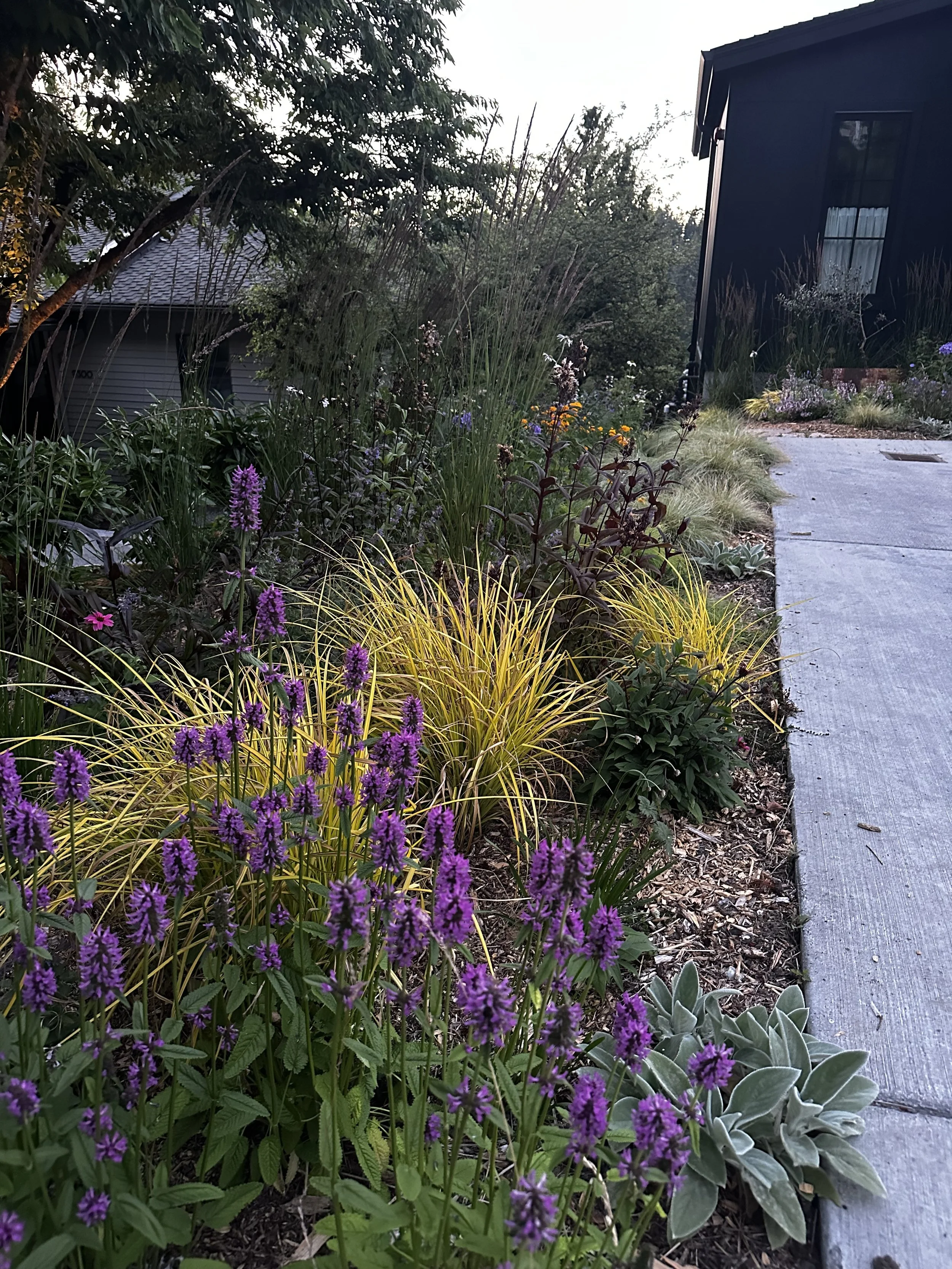
7. Open space is intentional, not empty
In a wet climate, not every inch should be planted. Lawn, gravel, and mulch provide visual rest and help manage moisture. Overplanted gardens quickly become soggy and unmanageable.
Open space also allows planting areas to feel more impactful. When everything is filled, nothing stands out.
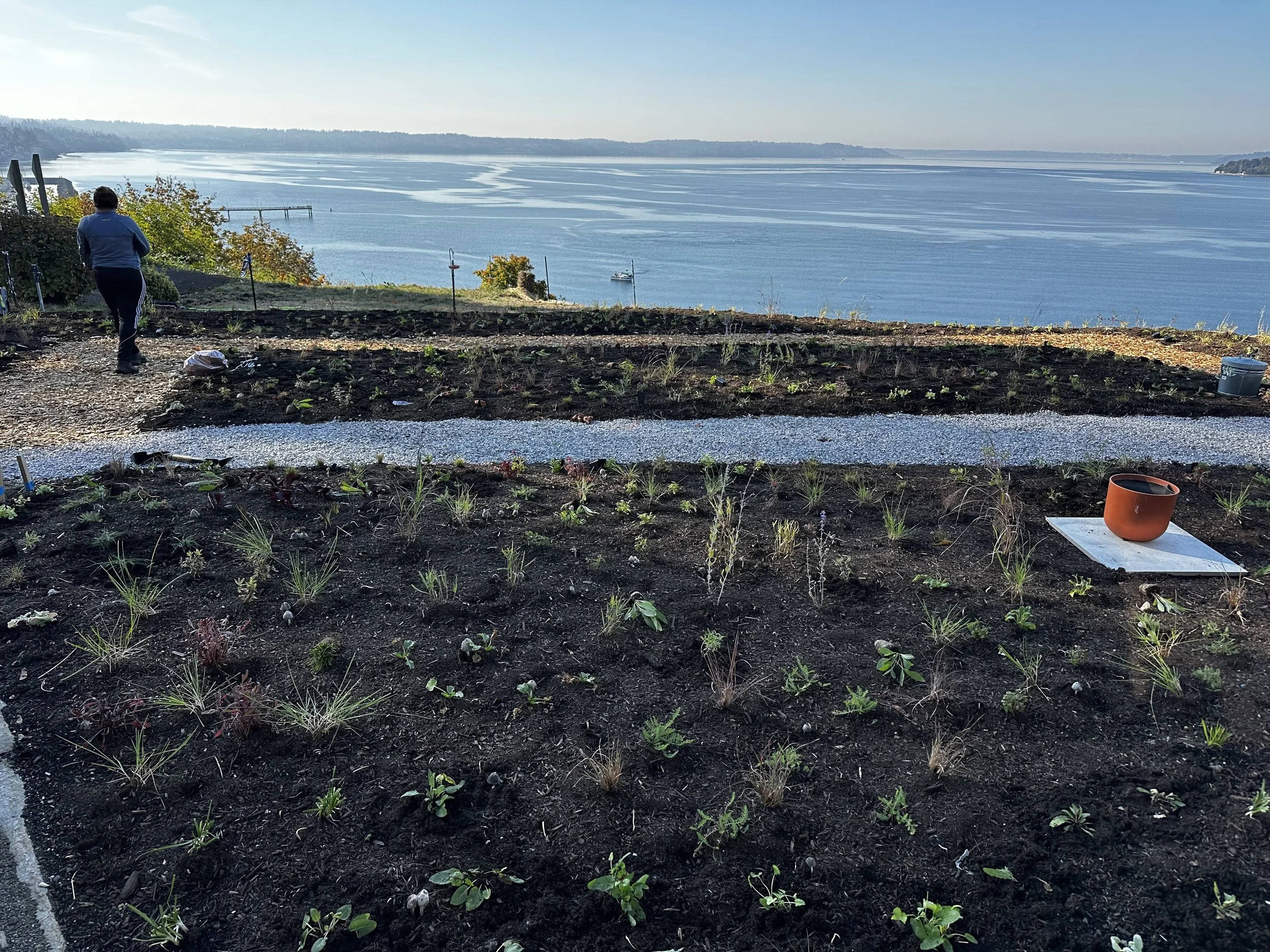
8. Large groupings outperform variety
Buying one of everything from the nursery leads to weeds, constant editing, and a garden that never settles. Larger drifts of fewer plant types fill space faster, suppress weeds, and create a sense of maturity much earlier.
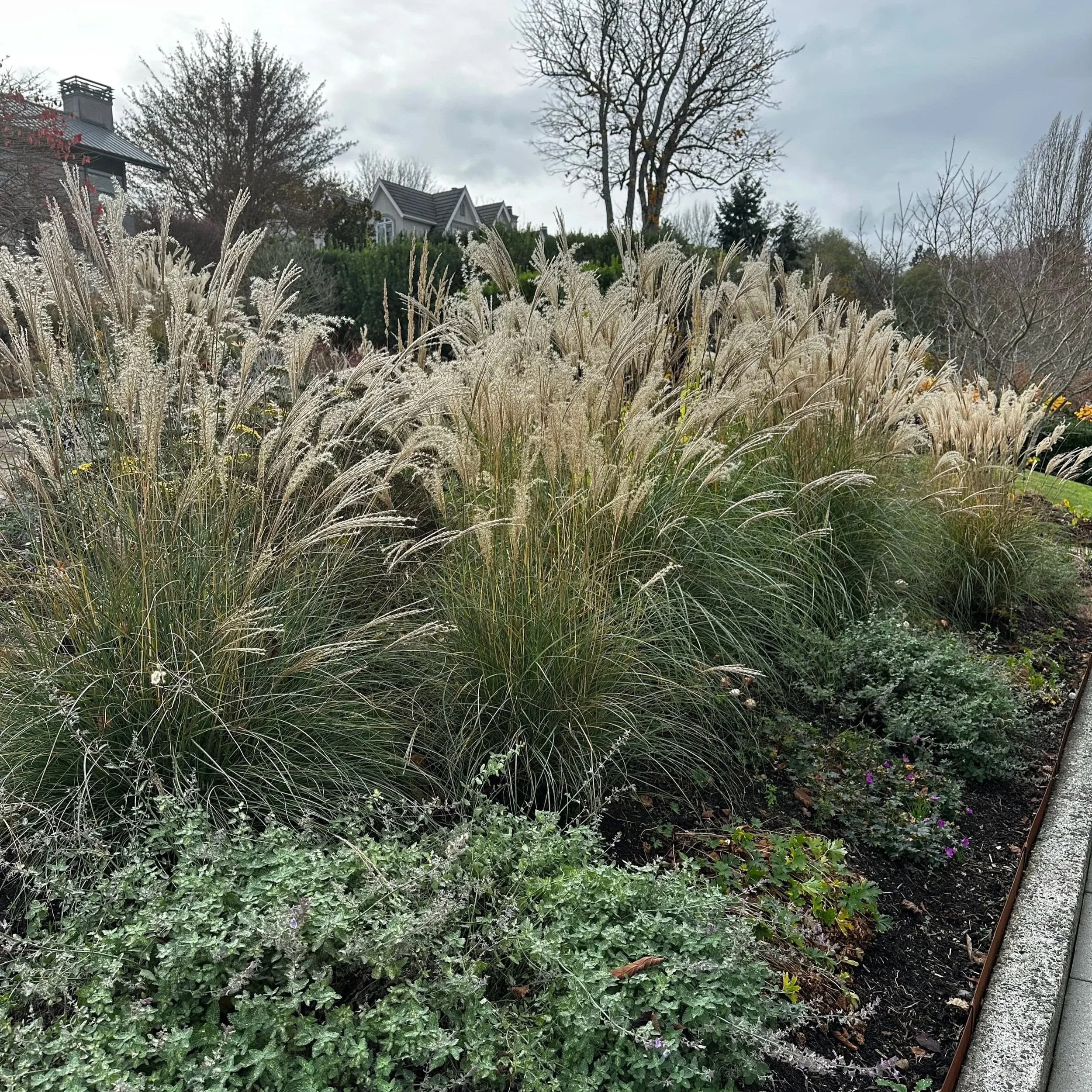
This approach also makes maintenance more predictable — an important factor for Seattle homeowners who want gardens that don’t demand constant attention.
9. Plants shape the space
Plants do more than decorate. They create privacy between neighbors, guide movement through the yard, frame views, and define outdoor rooms.

Flowers are welcome, but they are not the backbone. Form, texture, and habit matter far more — especially during the many months when nothing is blooming.
10. Layering creates year-round presence
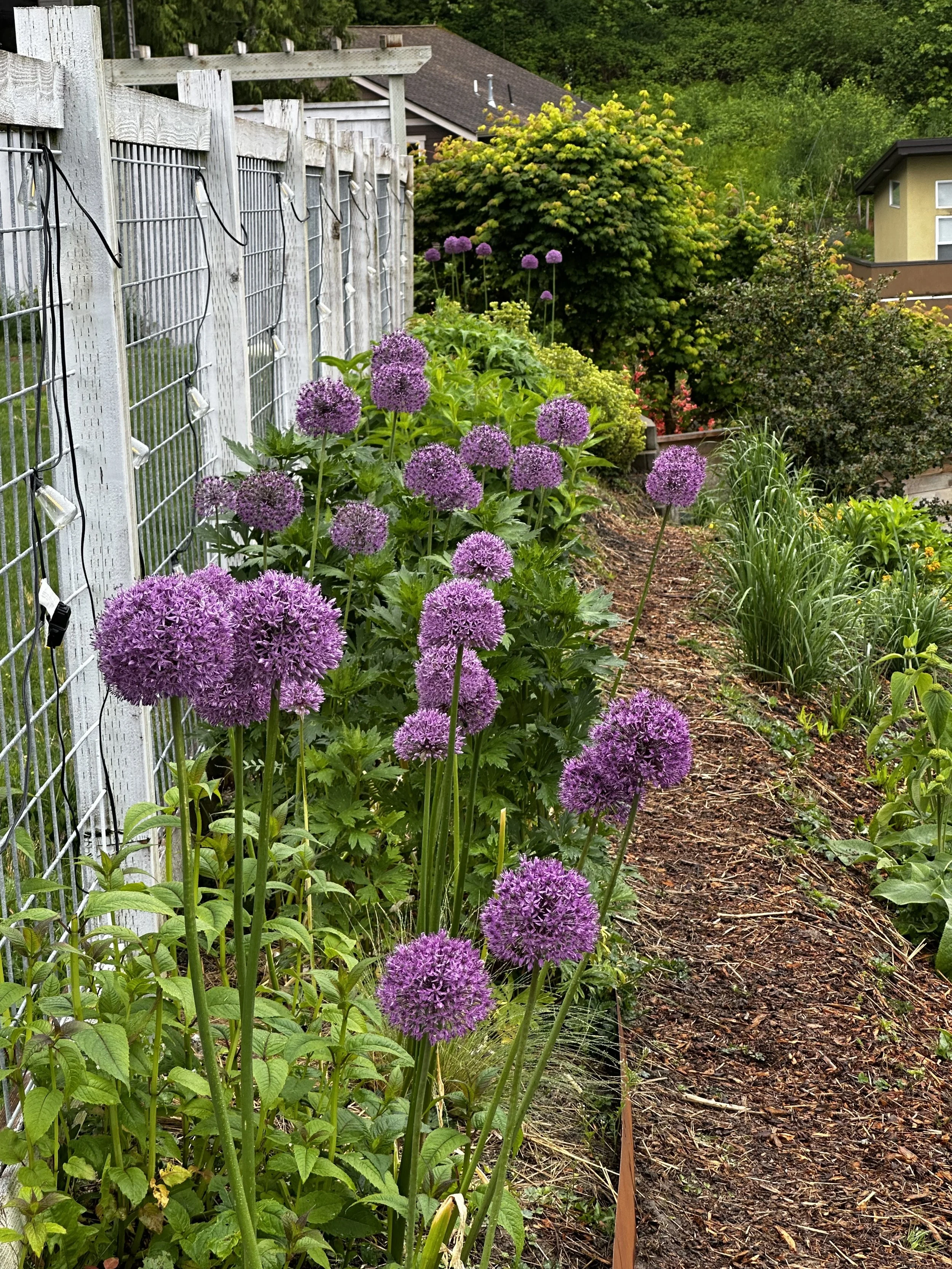
Flat planting beds feel empty in winter. Layering groundcovers, shrubs, and trees gives the garden depth and structure even in the off-season.
A layered garden feels complete all year, not just in peak bloom.
Next: Materials, maturity, and why good gardens improve with age.
