
The Rules Landscape Designers Follow And Why They Matter for Seattle Gardens. Part 1: Designing for Real Life, Not Just Install Day
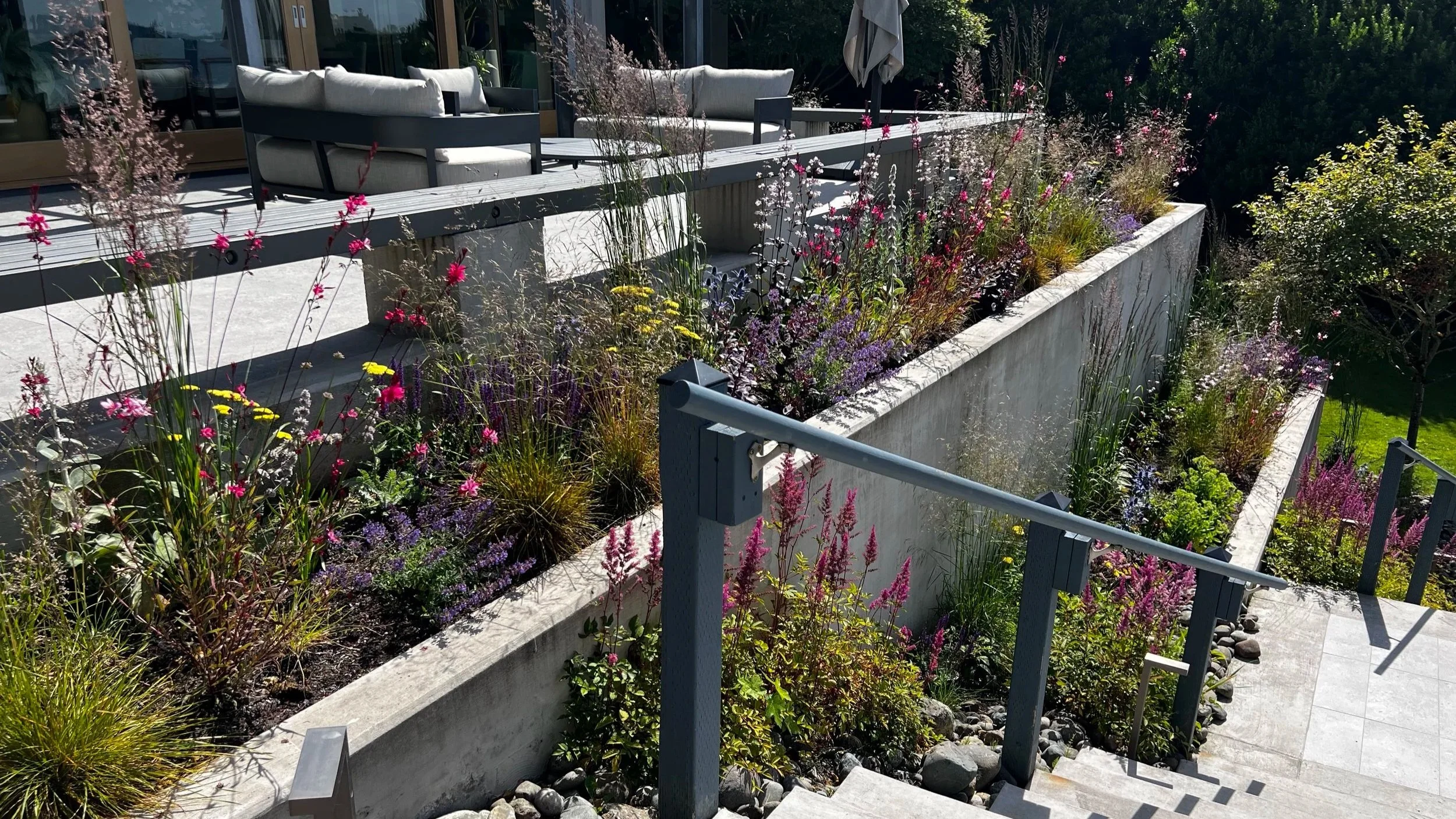
Seattle gardens don’t struggle because homeowners make bad choices.
They struggle because the space itself was never designed to function in this climate.
Rain, shade, tight lots, and long winters demand clarity first. These early decisions shape whether a garden becomes easier over time — or slowly falls apart.
1. Function comes before planting
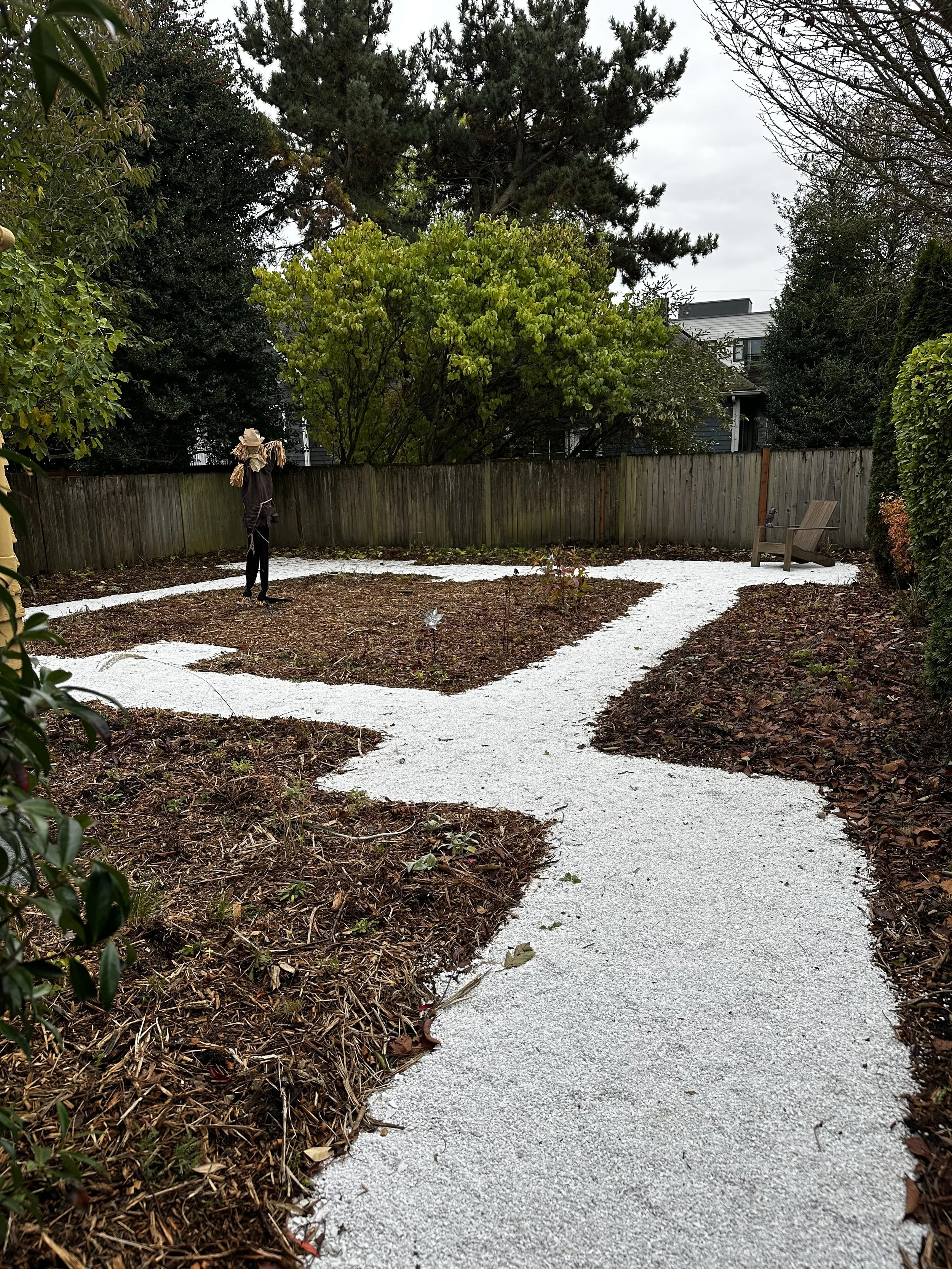
In Seattle, planting before understanding how a space will be used almost always leads to regret. A garden needs to answer basic questions first:
Where do people enter? Where do they naturally walk? Where do they want to sit on a gray afternoon?
For example, many backyards are planted wall-to-wall, only to later realize there’s no dry place to sit in winter. Defining patios, paths, and circulation first ensures the garden works year-round — not just during the few dry summer months. Once those bones are in place, plants finally have a role to play instead of carrying the entire design.
2. The garden should feel like it belongs to the house
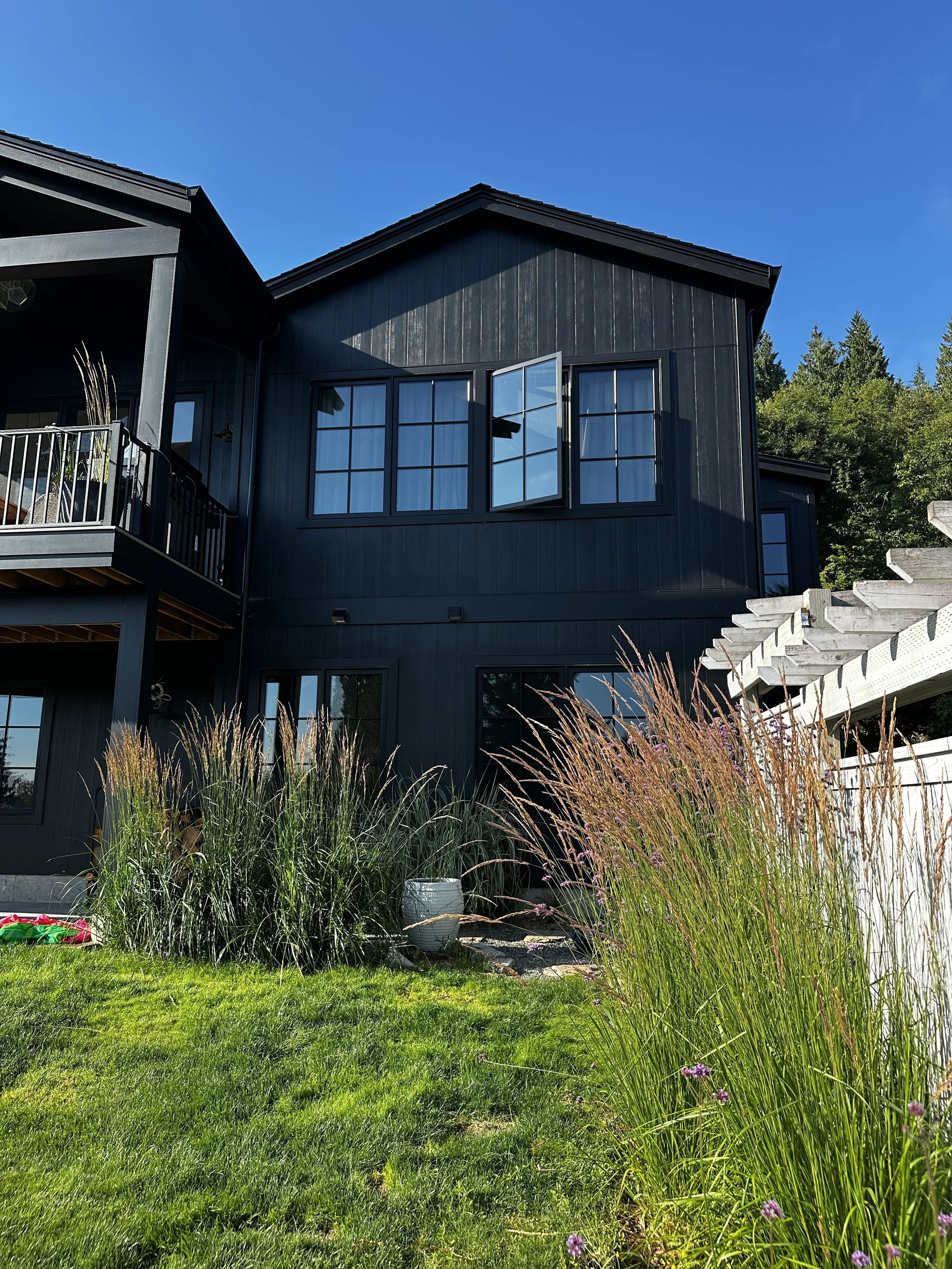
A landscape feels uncomfortable when it ignores the architecture it surrounds. A modern Seattle home with clean lines will always feel off when paired with curving beds and busy planting. Likewise, a traditional home needs balance and rhythm to feel grounded.
When the garden reflects the home’s proportions and geometry, it feels settled — like it has always been there — rather than something added later.
3. Fewer elements create stronger spaces
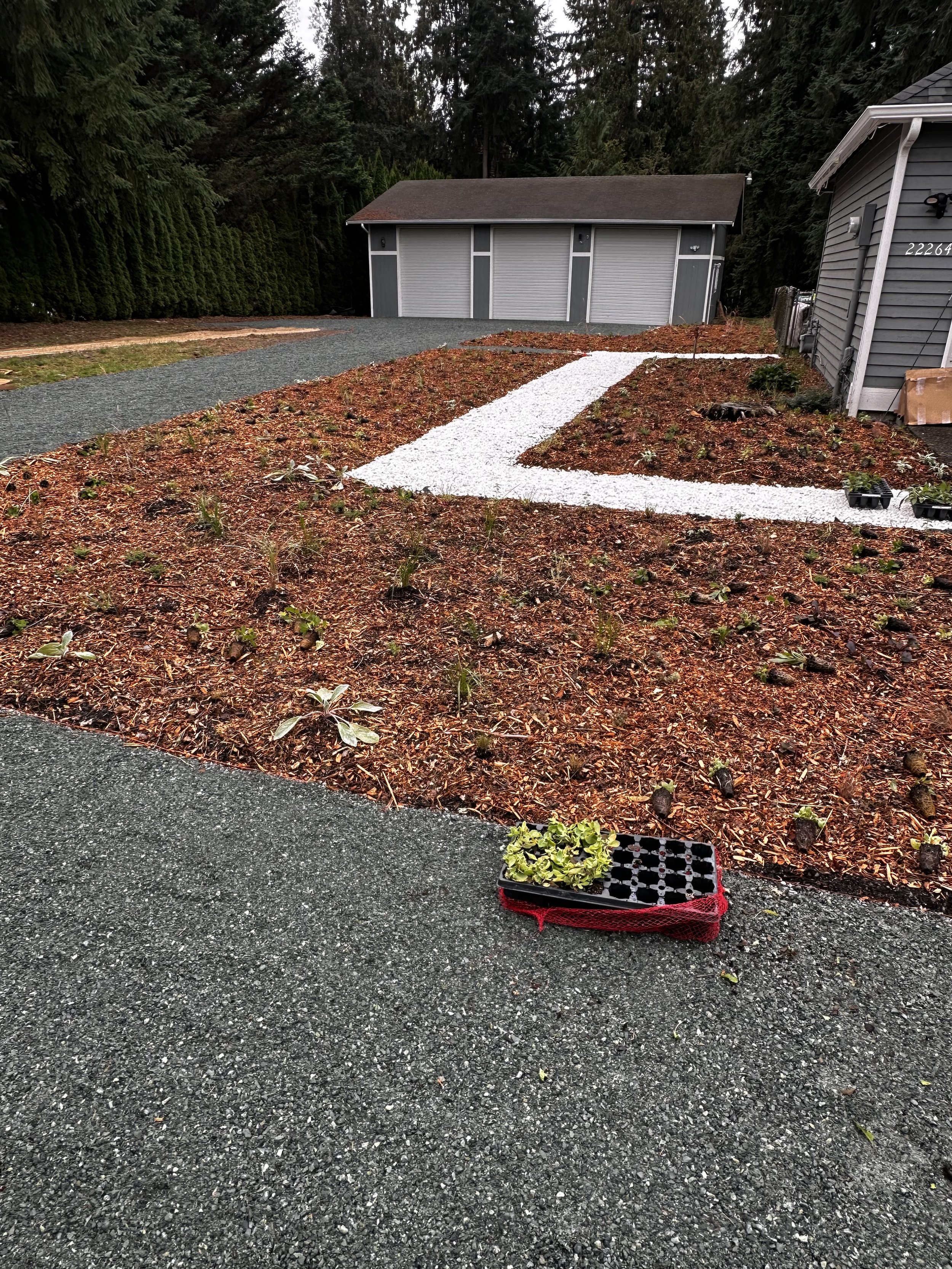
Seattle yards are often overdesigned in small ways: too many edges, too many raised beds, too many ideas competing for attention. This doesn’t just create visual clutter — it traps water, increases maintenance, and makes gardens feel chaotic.
Removing unnecessary features often does more for a space than adding anything new. When a garden is simplified, the remaining elements finally have room to breathe.
4. Alignment creates ease
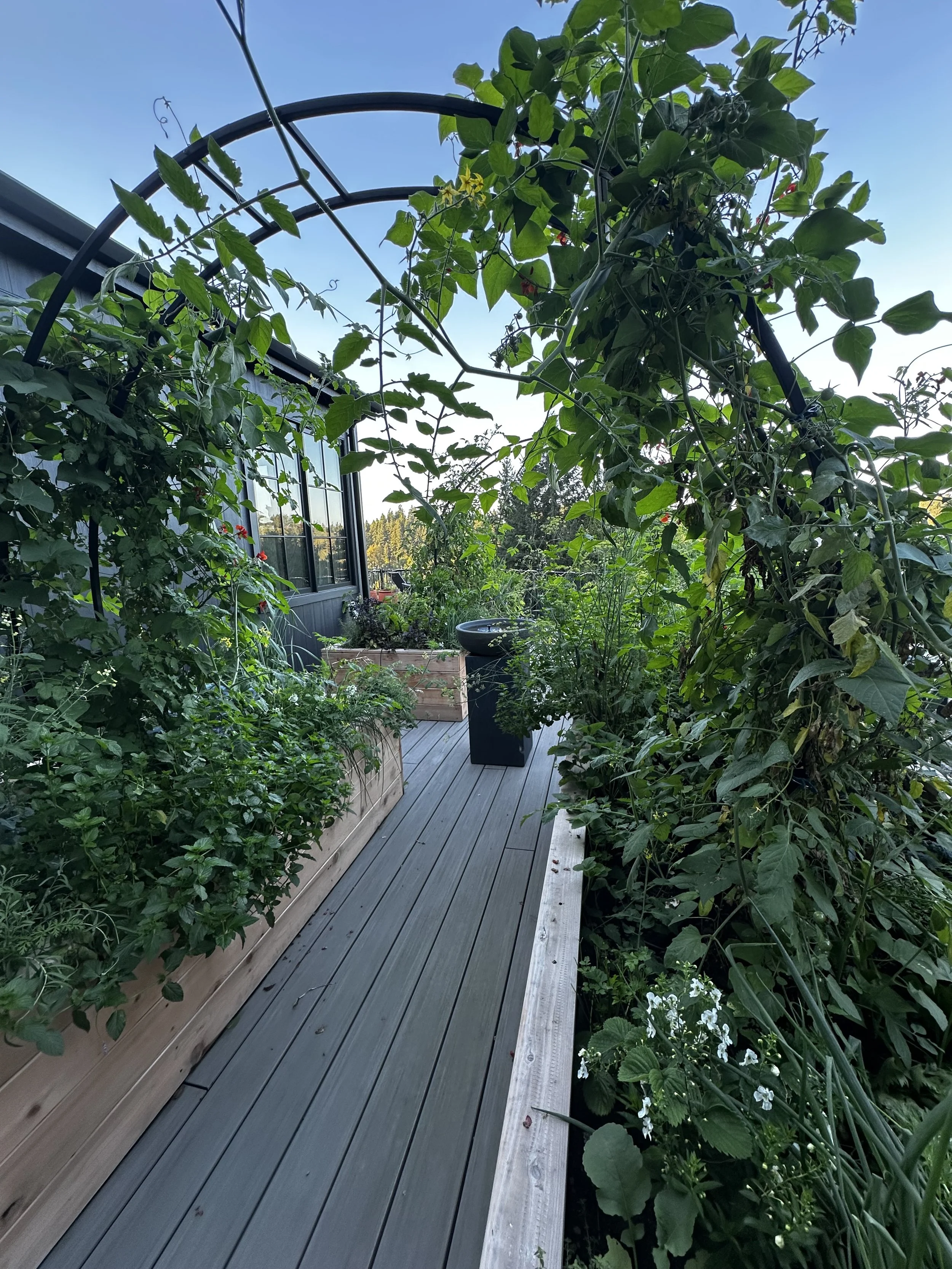
Paths that line up with doors, trees that center on windows, beds that follow the house — these are subtle decisions, but they create a feeling of effortlessness.
Even people who can’t articulate why a space feels good will feel it. Alignment removes visual tension and makes the garden feel calm, composed, and intentional.
5. Movement should feel natural
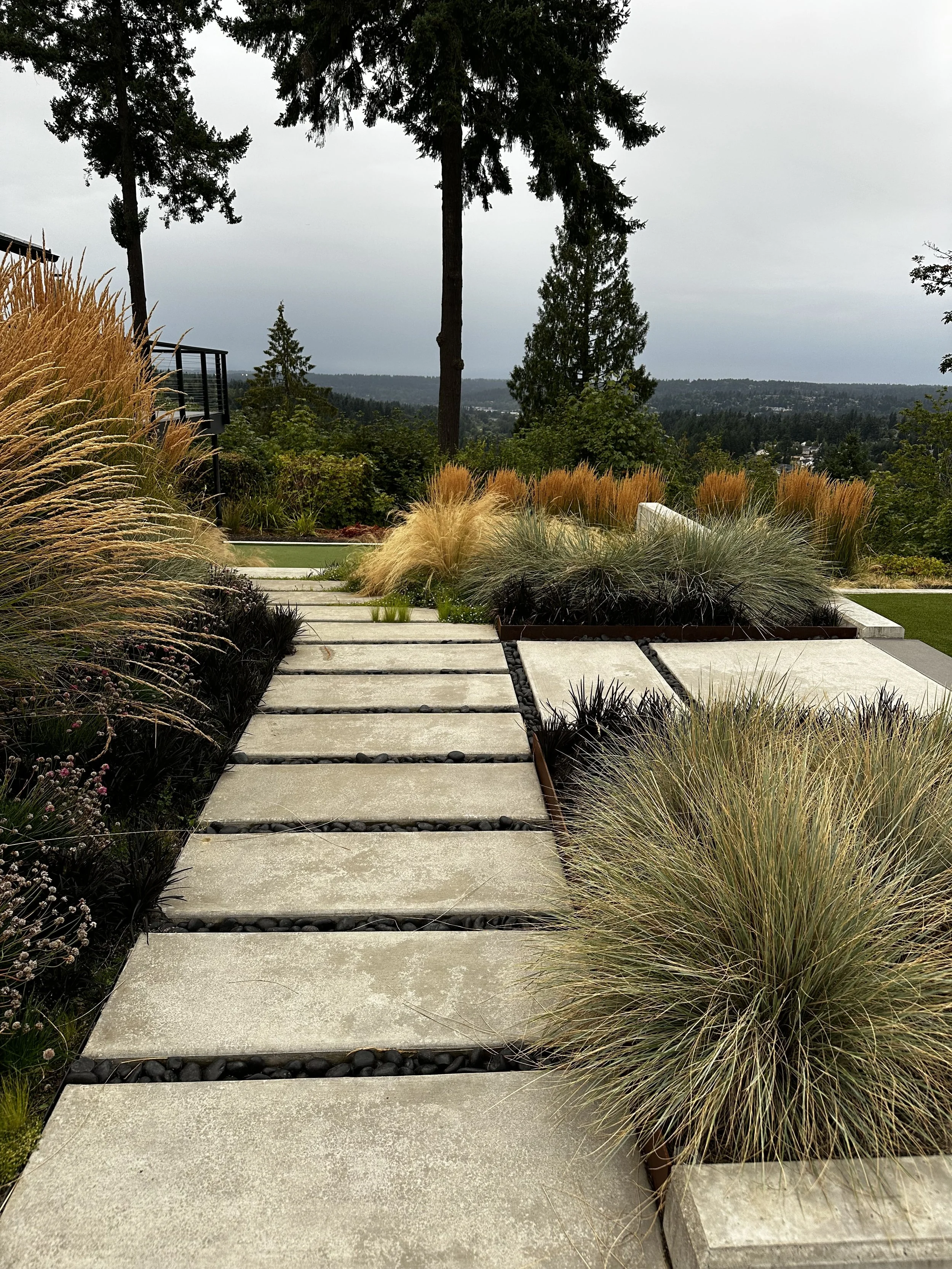
When people repeatedly cut across lawns or avoid existing paths, it’s a sign the design isn’t working. Circulation should follow how people naturally move, not force behavior.
In Seattle, ignoring this often results in muddy shortcuts and compacted soil. Designing paths where people already walk solves both functional and aesthetic problems at once.
Next: Once the structure works, planting stops being overwhelming — and starts making sense.
